In the fast-paced world of fitness and wellness, where high-intensity workouts push us to
our limits and the sweat pours, the importance of efficient recovery cannot be overstated. ... more
The newly-appointed CEO of the British
Paralympic Association talks to
Karen Maxwell about how London 2012 is
presenting an unparalleled opportunity for
the Paralympic Movement to inspire change
The Paralympic Movement is coming back to its roots in September this year and Tim Hollingsworth’s excitement is palpable. “This year heralds the home-coming of the Paralympic Games,” he enthuses. “Britain is the birthplace of the Paralympic Movement and the London 2012 Games are offering a truly unique platform on which to launch a turbo-charge of activity.”
Powerful words for a man who’s been at the helm of the British Paralympic Association (BPA) for just 12 months, but coming from a corporate communications background he’s already identified a myriad of opportunities that lay ahead for this powerful brand.
“This year’s Games offers an incredible opportunity to promote the movement and catapult Paralympic sport to a much wider audience,” he says.
Coming into the fold Hollingsworth believes his journey into sport administration has quite literally been defined by London 2012. Armed with a background in corporate communications at media companies such as Granada TV, he joined UK Sport as director of policy and communications three months before London won the bid to host the Games in Singapore in 2005, and says he recognised the move into sport as “an incredible opportunity to be a part of the Games”.
He spent seven years at the elite sport funding organisation – becoming COO in 2010. The BPA CEO position became available when Phil Lane left after 10 years in the role, during which time ParalympicsGB finished second in the medal table at both the Athens 2004 and Beijing 2008 Games. Hollingsworth took the opportunity and vows to capitalise on these achievements.
Team leader Coming on board just a year before the start of the London 2012 Games, he admits to embarking on a steep learning curve but says his knowledge of both the sporting landscape and the Paralympic Movement got him quickly on track.
His focus so far has been on three key areas of the charitable organisation: repositioning the brand; preparing the team for success at this year’s Paralympic Games; and ensuring the future of Paralympic sport post 2012.
“When I joined the organisation, there was some confusion around the roles of the BPA and ParalympicsGB,” he explains. “The BPA has a wider remit, whereas ParalympicsGB is the team of the Games. In my mind it was crucial to identify the power of these two brands, so in January of this year we formally reverted back to being the BPA – as the organisation that is responsible for the Paralympic Movement in this country.”
With a core staff of just 24 at the BPA, come Games-time Hollingsworth says the number of people within the Paralympic team will rise to almost 600, once the full complement of athletes and officials have been selected, and he admits that there’s lots to do in terms of making sure that this team is best prepared.
“We’re fortunate to have some very talented and very willing people on board,” he says. “Tim Reddish [BPA chair] and I have been refining the way the BPA is structured and governed and have been putting processes in place so we can develop the skill sets of BPA staff and make the most out of this year’s unique opportunity.”
Regarding Games-time preparation, Hollingsworth says the BPA has left no stone unturned and he has, in fact, ‘fallen on his sword’ to ensure the team’s success.
“I took the decision not to be the Chef De Mission at the Games [a role often taken by the CEO]. I believe that this role calls for a different skill set. With me coming into this environment only recently I’ve been fortunate to identify and secure the services of Craig Hunter, who led the team at the 2010 Commonwealth Games in Dehli, for that role.
“He’s been a life-long sports administrator in swimming. He has the right values, the right attitude and the right approach to life and his experience is fantastic in terms of what a Games-time environment is like and how it will impact on our athletes.
“Between us we’ve considered everything around the pre-Games and Games-time environment as far as maximising performance and getting our athletes on the starting line in the best possible shape. Our job is to protect them and challenge them where needed.”
Spreading the word As host nation, the BPA has a role to deliver to the expectations of visiting international Paralympic teams, as well as its own. The Paralympic Movement started as a competition for World War II amputees at Stoke Mandeville Hospital, which coincided with the 1948 London Olympics. The Paralympic Games officially joined the Olympic roadshow in Rome 1960 and the movement keeps growing.
According to Hollingsworth, the BPA needs to fully capitalise on London 2012’s fantastic opportunity to grow the brand, and that making this a reality has been monopolising the majority of his time since joining the organisation.
“We need to secure and maximise the future of parasport after London. I don’t like to refer to this as ‘legacy’ because that word suggests some sort of aftermath, a high-water mark, that once reached is maintained thereafter. That’s not the case with Paralympic sport. It’s a very young movement and our strategy, going forward, is about maximising the ‘momentum’ and not saying ‘that’s that and what can we do off the back of it’; It’s much more than that, it’s a fantastic door opening to many opportunities.”
To this end Hollingsworth has been formulating a strategy that demonstrates leadership for the 2012-2017 period, towards Rio 2016 and beyond.
“To put it simply, it’s about ensuring that we have a mission which is clearly defined around the athletes and our role in delivering and supporting them, because they create the inspiration – the stardust – and that allows us to engage in other things.
“It’s about inspiring change, primarily around sport – the accessibility and the availability of sport for all, and to challenge the broader section of our society about behaving differently towards disability,” he says.
Making a vision a reality When asked how he plans to go about making these ambitious changes, Hollingsworth says that first and foremost the BPA’s role is to ensure plenty of British medal success at this year’s Games because “people will have their eyes opened to the concept of disability being challenged”.
“Our primary purpose is to demonstrate that our athletes are high achieving and world-class in what they do. The inspirational impact of that is less tangible, but we’re working with those organisations that are responsible for increasing participation levels to, first of all, help people with a physical impairment to realise that they can get involved in sport.
“This then leads onto social change. It’s about recognising that there are few better ways to cut through to wider society views around disability than the Paralympics. We need to make sure that this spotlight is effective in changing perceptions. We want people not to start with sympathy but to say ‘Wow that’s a fantastic sporting achievement’.
“Once people have established a connection with disability through the sport, it can open the door to challenge perceptions, which should result in a world where disabled children are being integrated into PE activities rather than disincluded, which is often the case today,” Hollingsworth says.
Effective partnerships Parasport, a web-based tool for finding sports opportunities and a resource that informs on the classification that relates to the degree of impairment for each sport, has become an important link to the Paralympic brand. It also helps people use the right language linked to sport for physically impaired people, rather than the overused, and negative connotations linked to ‘disability’ sport.
The BPA has been seen to be ‘controlling’ by members of the media for producing a ‘guide to language’ for use during the Games. However, Hollingsworth says that it’s conscious about language around sport and thinks the organisation had an obligation to try and influence that. “It’s not compulsory, it’s a guide,” he says. “As a nation we’re conscious about language surrounding race or gender, so it’s absolutely legitimate to do the same thing around disability.”
Joined-up thinking Public funding is becoming available through sports’ national governing bodies (NGBs) to enable a wider delivery of parasport and Hollingsworth says the BPA’s aim is to find ways to broker and facilitate with home countries sport and disability federations as well as NGBs to help with open days and Paralympic Potential days, to offer multi-sport sessions and further promote the parasport website. Meanwhile, another part of the BPA’s strategy is to broker relationships with centres of excellence.
“We’re looking to further develop partnerships with universities or leisure facilities for BPA accreditation, which further promotes the brand and highlights the facility as a centre of excellence for disability sport,” Hollingsworth explains.
“Obviously the criteria for this partnership would be access to world-class, fully-inclusive sport facilities and accommodation where appropriate, however, research is also a key areas for us. For example, Loughborough University and the University of Bath already have well-defined research programmes around disability sport. It’s one thing to conduct research for disability sport within the sports science department; it’s quite another if the engineering and psychology departments have got an interest in disability programmes too,” he says.
“Using London 2012 as our launchpad is about providing value, maybe by adding a resource or a partnership that can benefit the brand, and ultimately the end user/participant. Thanks to the Games, the world’s attention is turning towards us now, we’re looking at how these partnerships can develop into the future and how our role can evolve to make sure we get the most out the this ‘once in a lifetime’ opportunity.”
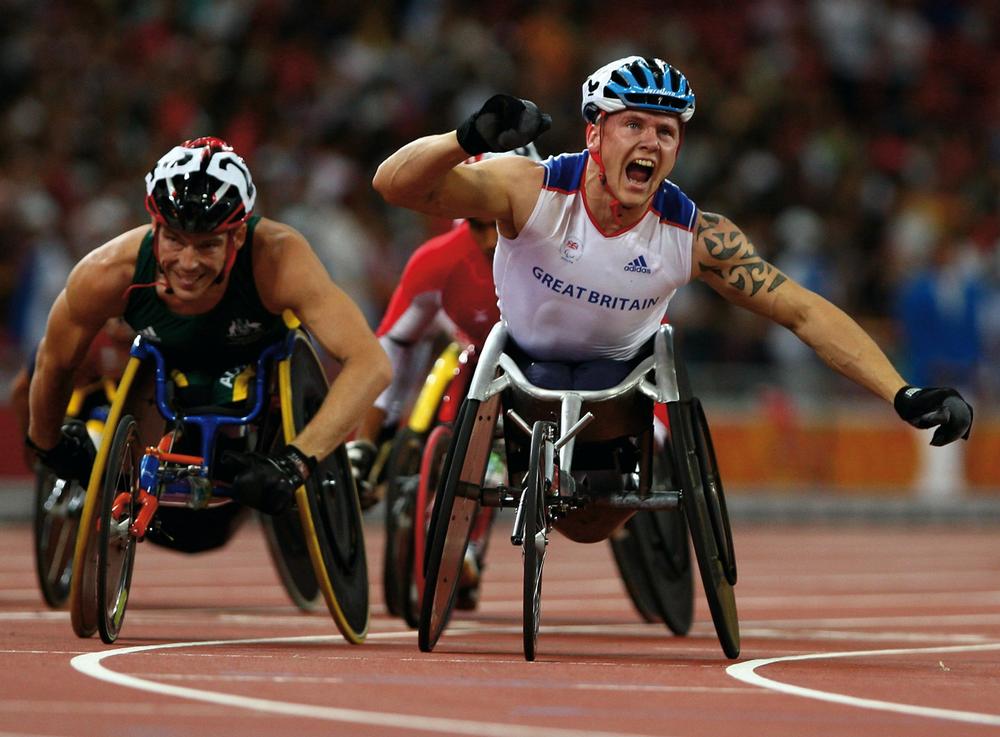
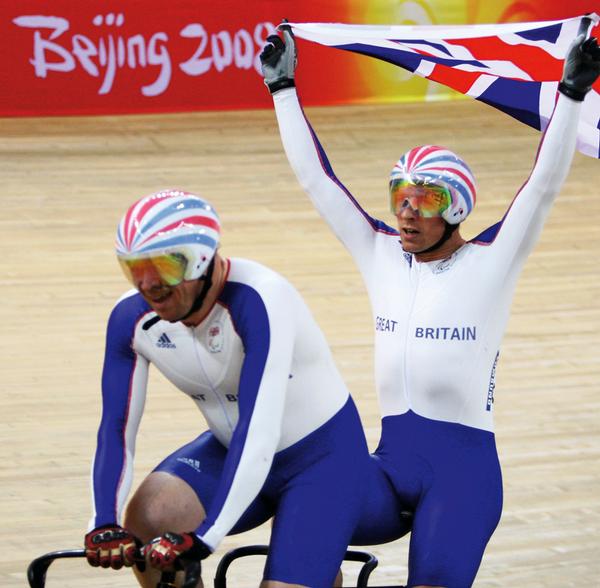
David Weir (right) won two gold medals at Beijing 2008 in the T54 800m and 1,500m
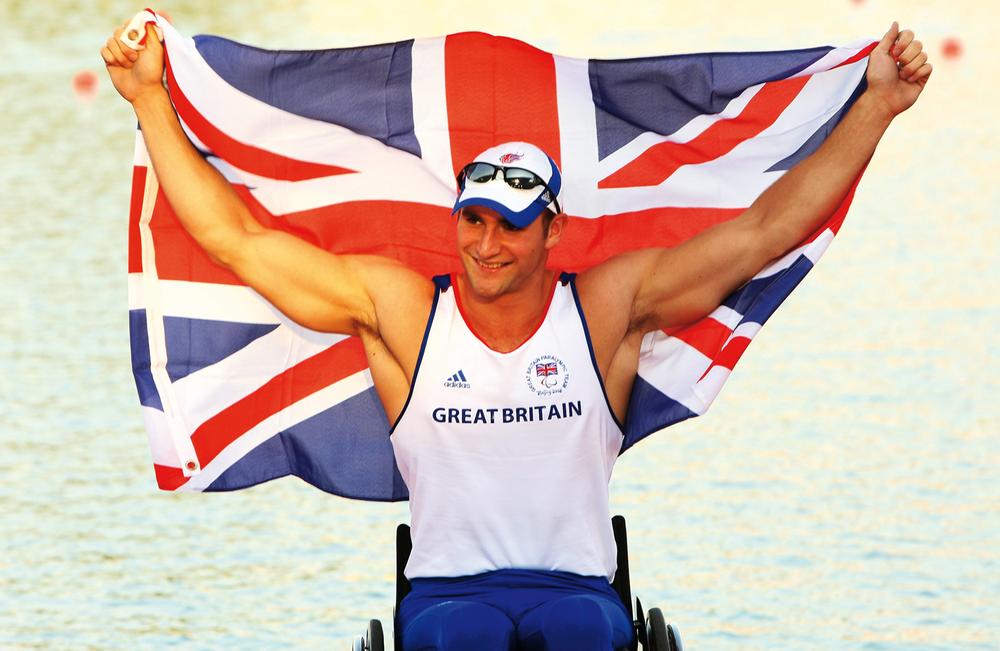
Tom Aggar won a gold medal in the Single Scull rowing event at the Beijing 2008 Paralympic Games
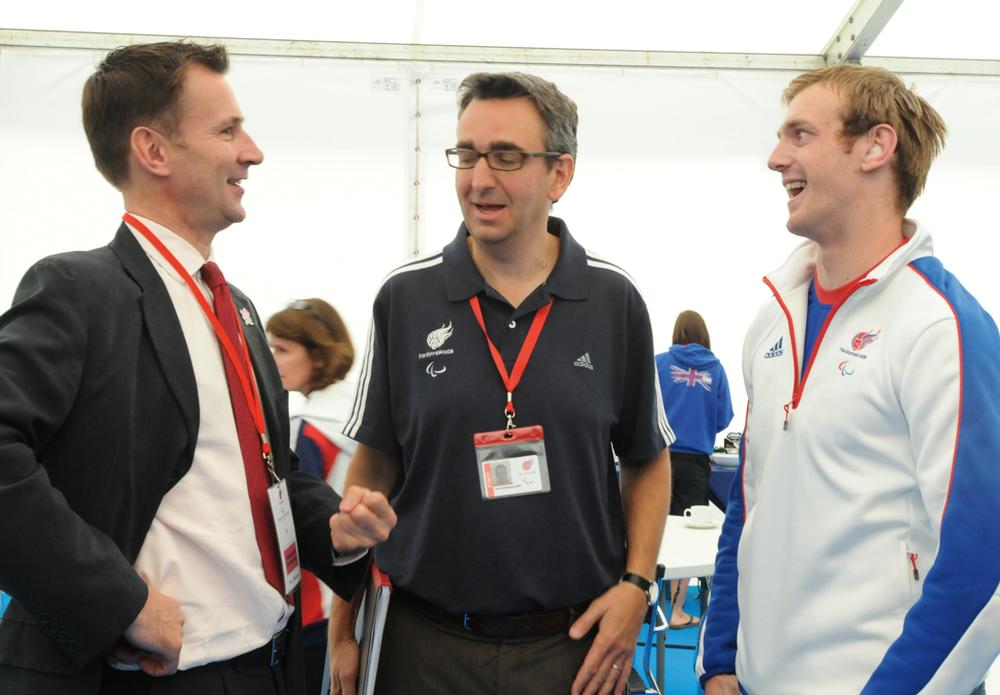
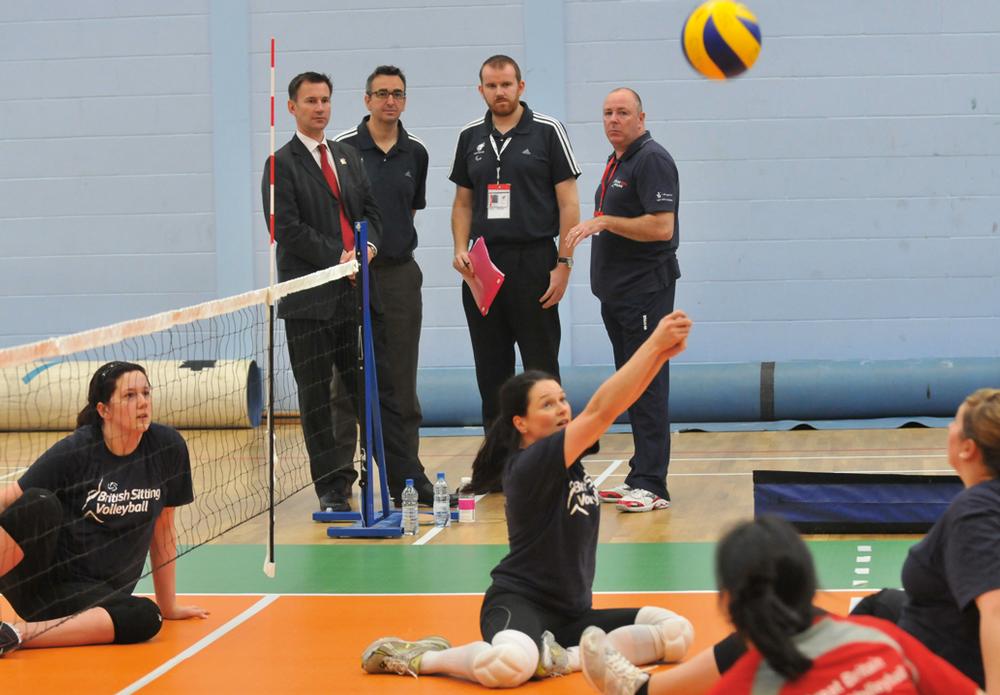
From Left: Secretary of State Jeremy Hunt talks to Tim and a Paralympian
GB’s sitting volleyball programme was re-instated for London 2012
GB were second on the medal table in 2008
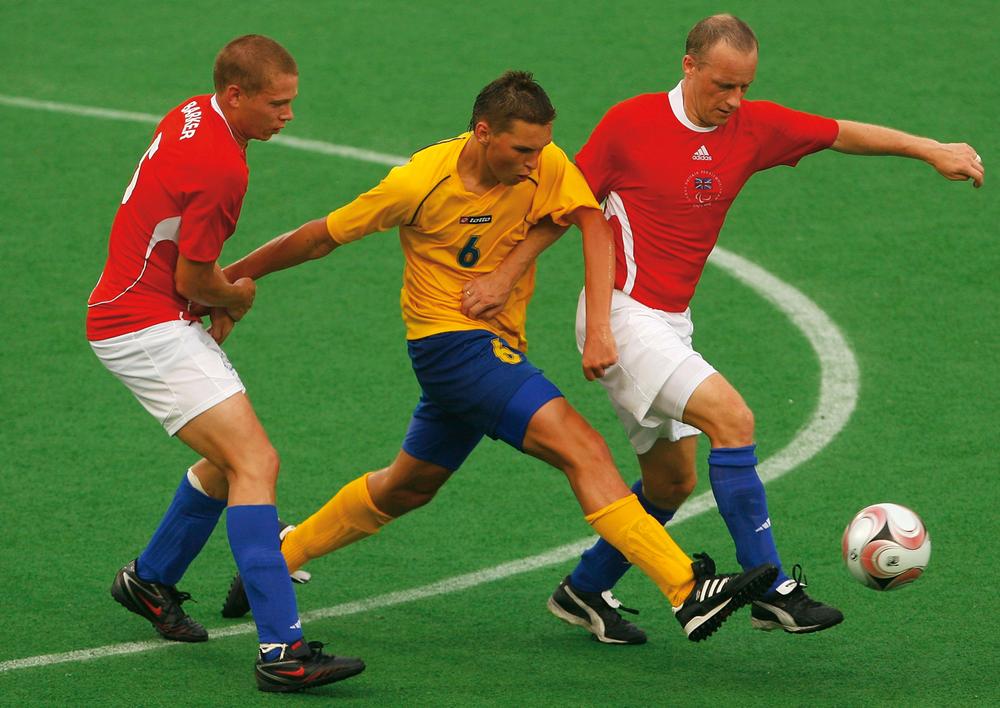
Seven-a-side football debuted at the Paralympic World Cup in 2010 (Paralympics GB are in red)
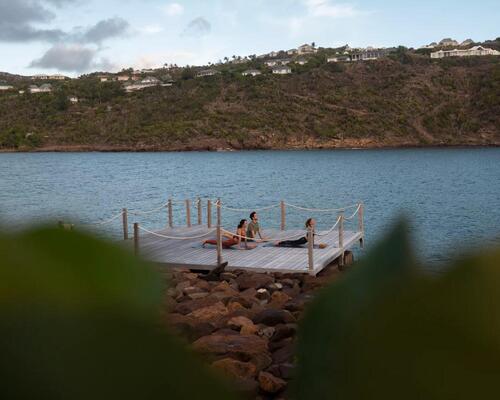
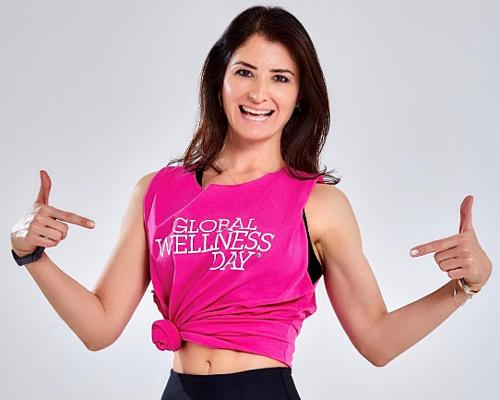
Four Seasons Resort The Nam Hai in Hoi An, Vietnam, has put together a Global Wellness Day
(GWD) agenda with activations rooted in nature and shaped by four pillars of Joy – in
alignment with the day’s theme #JoyMagenta.
The Global Wellness Summit (GWS) will celebrate its 20th anniversary at the 2026 event in
Phuket, Thailand, later this year with the theme: The Science, Art and Soul of Wellness.
Auko, an all-inclusive development, is opening in Phong Nha in Vietnam in Q3 2026, with a
series of 30 tented eco-lodges and wellness hospitality operations by Lumina Wellbeing.
Therme Manchester’s 28-acre development, which will include interconnected glass pavilions
that measure 65,000sq m, will be the largest bathing and wellbeing attraction in the world once
complete, according to prof David Russell, CEO of Therme UK.
Naples Beach Club, a Four Seasons Resort, has opened a 2,800sq m spa called The Sanctuary,
with the design and concept inspired by the Native American people that populated Florida’s
Southwest coast – the Calusa.
Swire Hotels’ luxury hospitality brand Upper House has revealed it will roll out its two-day
House of Healing retreats at its three hotels in Hong Kong, Chengdu and Shanghai.
LVMH-owned beauty house Guerlain will launch up to five spas with partners a year as part of
its plan to expand globally, according to the brand’s international spa and wellness director,
Diane Davody.
A new global study by Kevin Kelly and Peter Yesawich, called WELLSurvey 2.0, has revealed
more than half of consumers in the UK, US and Germany would not choose numerous high-
profile wellness resort brands for a future trip.
Luxury hospitality and wellness pioneer Jeremy McCarthy has launched Leisure Alchemy, a
digital platform that will provide professionals with strategic guidance on how to build
transformational leisure experiences that drive profit.
+ More news
COMPANY PROFILES
We Work Well Inc In 2019 Monica Helmstetter and Lucy Hugo founded the American hosted buyer event company We Work Wel [more...]