When a western government makes a move to tackle loneliness, with both a multi-million pound fund and a dotted line to the Prime Minister, it gives you an idea of how serious a problem it is. In January, Tracey Crouch was appointed the UK’s first Minister for Loneliness with a view to working on a commission and with businesses and charities nationwide to create a government strategy to combat it.
We live in a disconnected world and technology and social media is helping to fuel the loneliness epidemic. Nothing intensifies the feeling of missing out more than being sat at home on your own, while on social media it looks like the world is out having fun, together. Socialising through technology is becoming more widespread, but the loss of real contact is to our detriment.
Interaction with other people is crucial for longevity according to research from Brigham Young University, USA, which found that the most powerful indicators of a long life were firstly, how well socially integrated people are – whether they chat to the random people they see in their day, such as the postman. And secondly, their close personal relationships – feeling that they have someone to look after them if they’re ill, for example.
Crouch, who herself suffered from a feeling of isolation after having a baby, has said this is an issue which all sections of society need to be aware of, so should spas step up as well?
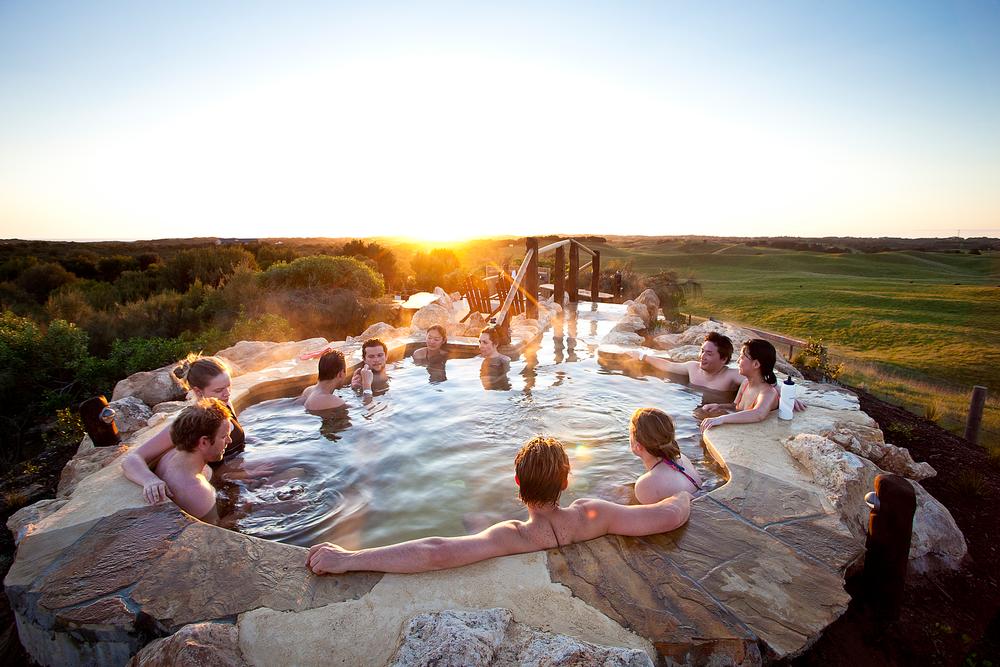
As the sector helps to restore and strengthen people physically, mentally and emotionally, are spas perfectly placed to help? Are the services they already routinely offer an antidote to loneliness? What mix of facilities, programmes and treatments work best? And how can spas reach out to lonely people? We investigate.
|
|
|