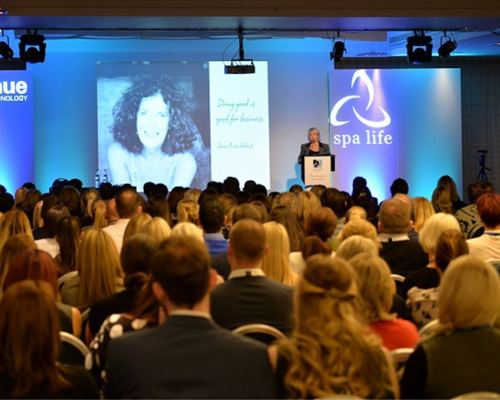
The Spa Life UK Convention returns from 21–23 June 2026 at Whittlebury Park Hotel, Spa &
Golf Resort, bringing together spa managers, directors and owners for two days of focused
education, meaningful connection and commercial insight. ... more
Delivering a successful project - Step 1: Preparation and planning
In 2019, we’ll feature a series of four quarterly articles, in which experts from SAPCA outline the steps required to ensure a successful facility project. In the first of the series, SAPCA project manager Colin Corline explains the importance of preparation and planning
Each sports facility project begins with a great idea. It may be one borne out of a specific need, such as a governing body’s Strategic Plan, or a local authority needing to improve its facility infrastructure. Or it could be a sports club or school wanting to upgrade its facilities in order to attract more people to play sport.
Having a great idea marks the beginning of the project journey – but the first real step is to come up with a great plan.
Development of A brief Developing a facility can be a daunting prospect with so many variables to consider. Whatever the project, however, it is important to realise that the principles are the same – and that creating a strong project brief in the early stages is essential.
The project brief should encompass all elements of the project – from the specific requirements of the sporting and non-sporting facilities and the type of sports to be played, to the perceived business case and any budgetary constraints. You also need to consider local insight and the demographics that would support the project, as well as local authority, NGB or sports council backing.
When developing the project brief, it is essential that you engage with a wide range of partners to ensure the initiation document considers all the relevant elements of the project at an early stage. This is where SAPCA can help. SAPCA members construct the vast majority of sports facilities across the UK, and at this early project development stage members of SAPCA’s Professional Services Group can offer design and technical expertise on all aspects of project planning. Having specialists assist you at an early stage will help you develop a clear and comprehensive brief.
Once the document is complete, the next phase is to circulate the project brief within the wider community, in order to gauge support with the relevant bodies and to allow the conceptual idea of the brief – where applicable – to be enhanced and developed.
THE application The development of a detailed design and planning application can potentially be the most important phase of the project. Here is a useful list of things you need to consider:
• The business plan, both for the delivery of the project and for the ongoing development of the venue, should be developed at this stage. This is to ensure you consider and understand the impact of the project and how the new (or upgraded) facility will impact on the potential growth of participation and the retention of existing players.
• There will be a need to develop a cost plan for the project development, to allow budgets to be set and to allow you, if applicable, to seek partnership funding.
• In order to support the development of the cost plan, it is likely that you will need to engage design consultants to produce drawings and get the development through the required site surveys.
• Engage with the local authority planning department to assess the viability of the project from a planning perspective. This may also require further assistance from consultants to aid the planning application with required reports, surveys and layout drawings.
• Undertake discussions with local residents, community groups and any other relevant interested parties to garner support for the project.
• Use SAPCA’s web-based project journey information to aid the development of the project through case studies and technical information.
• Use information from the relevant National Governing Body’s facility development website to aid the development of the project.
• Play-test any relevant products or playing surface products to aid understanding of the sporting needs and to aid the formulation of the design.
Once you have completed this process, you should have solid plans in place for the project. While the plans can be tweaked and fine-tuned at a later stage – through engagement with NGBs, consultants and contractors – following this guidance you should have plans that offer a solid base for a successful project.
For more information on SAPCA, its Technical Programme or safety at sports facilities in general, contact us at: [email protected] or 024 7641 6316 www.sapca.org.uk
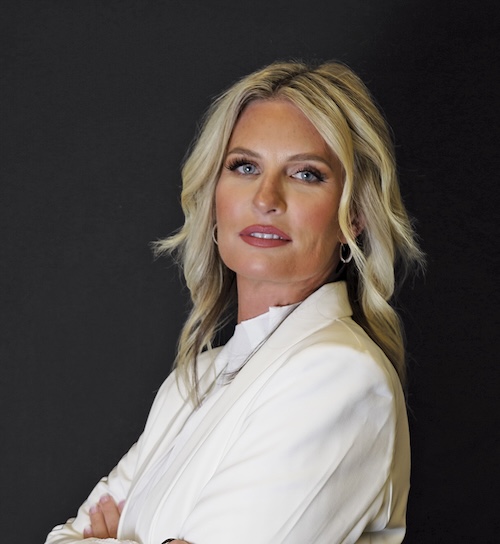
SAPCA project manager Colin Corline says strong planning is key to success
Four Seasons Resort The Nam Hai in Hoi An, Vietnam, has put together a Global Wellness Day
(GWD) agenda with activations rooted in nature and shaped by four pillars of Joy – in
alignment with the day’s theme #JoyMagenta.
The Global Wellness Summit (GWS) will celebrate its 20th anniversary at the 2026 event in
Phuket, Thailand, later this year with the theme: The Science, Art and Soul of Wellness.
Auko, an all-inclusive development, is opening in Phong Nha in Vietnam in Q3 2026, with a
series of 30 tented eco-lodges and wellness hospitality operations by Lumina Wellbeing.
Therme Manchester’s 28-acre development, which will include interconnected glass pavilions
that measure 65,000sq m, will be the largest bathing and wellbeing attraction in the world once
complete, according to prof David Russell, CEO of Therme UK.
Naples Beach Club, a Four Seasons Resort, has opened a 2,800sq m spa called The Sanctuary,
with the design and concept inspired by the Native American people that populated Florida’s
Southwest coast – the Calusa.
Swire Hotels’ luxury hospitality brand Upper House has revealed it will roll out its two-day
House of Healing retreats at its three hotels in Hong Kong, Chengdu and Shanghai.
LVMH-owned beauty house Guerlain will launch up to five spas with partners a year as part of
its plan to expand globally, according to the brand’s international spa and wellness director,
Diane Davody.
A new global study by Kevin Kelly and Peter Yesawich, called WELLSurvey 2.0, has revealed
more than half of consumers in the UK, US and Germany would not choose numerous high-
profile wellness resort brands for a future trip.