Mintel says record numbers of people have health club memberships / PHOTO: SHUTTERSTOCK/ONEINCHPUNCH
According to new research from Mintel, the number of people in the UK with a private gym membership has risen by 15 per cent over the past five years – from 5.3 million in 2014 to 6.1 million in 2019.
The UK Health And Fitness Clubs Market Report found increases over the past 12 months helped grow the total revenue registered by private health and fitness clubs to nearly £3.4bn during 2019 – an increase of 4.1 per cent on 2018.
“The rise of lower-cost options and increased number of locations has made private gyms an accessible form of leisure, while a greater focus by consumers on healthier living and exercise is also providing a boost to the sector,” says Lauren Ryan, Mintel leisure analyst.
“The convenience of more options close to work and home, with more flexible off-peak options available from the leading brands, has boosted demand, while competition has driven prices down.
“However, while membership numbers will continue to increase, competition will drive down average fees and limit revenue growth over the next five years.”
Mintel gives top tips for how to thrive in the fast growing fitness market
PHOTO: SHUTTERSTOCK/ONEINCHPUNCH
1. Compete for the best PTs
With many personal trainers paying rent to train clients in the gym, it can be difficult to keep hold of the best talent.
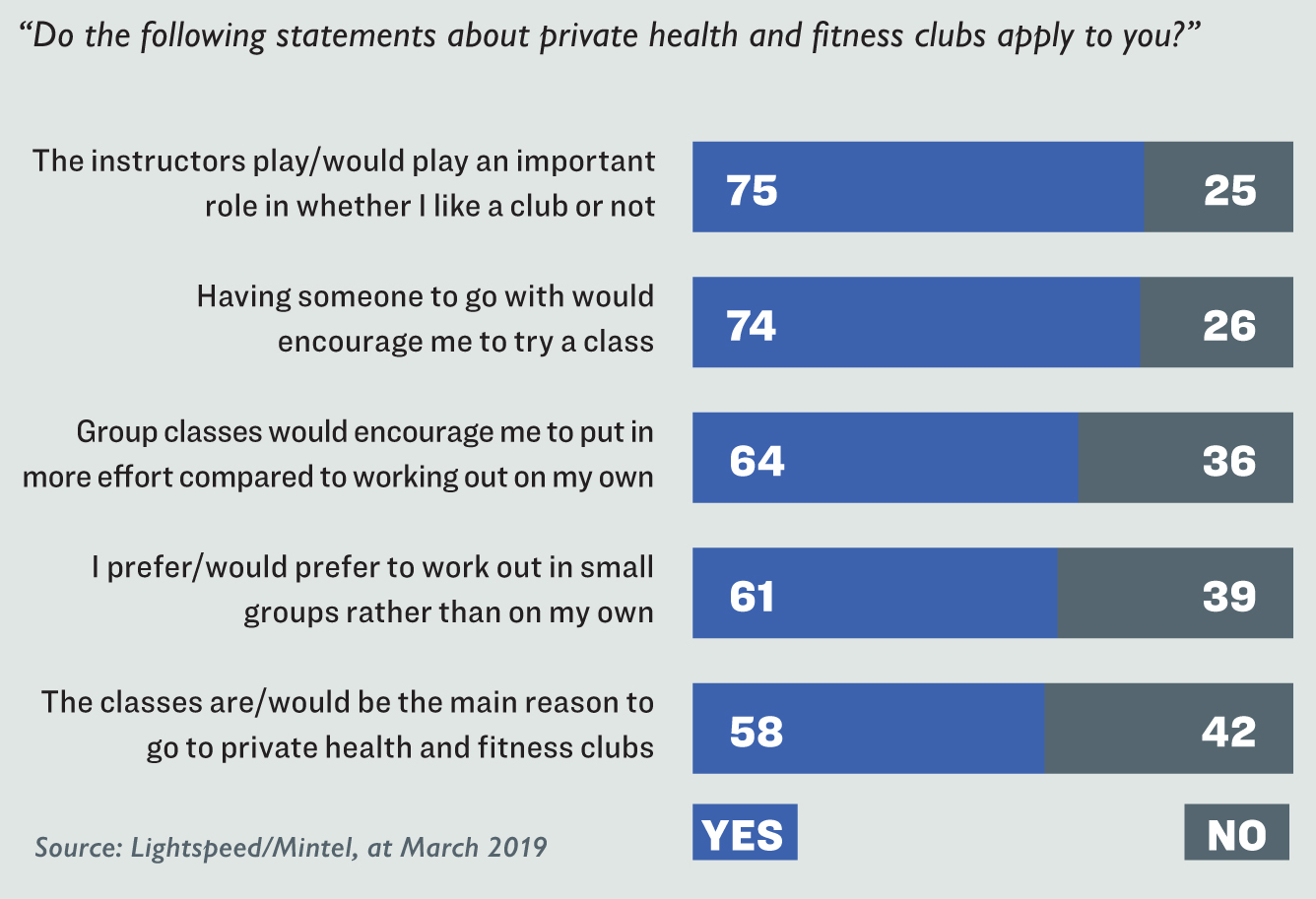
According to Mintel, the importance of PTs themselves is confirmed by the 75 per cent of people who say the instructors play a key role in how much they like a club. Offering more fixed-term salaries or even profit share or equity options could motivate the highest-quality trainers to stay with the club.
2. Offer great classes
Varied classes and friendly, passionate instructors are vital for boosting attendance in gyms. Mintel found that classes are a key reason for many people using health and fitness clubs, with 58 per cent saying they’re the main reason they attend.
The rising competition from other fitness options is also placing increased pressure on delivering quality classes.
Best practice in this area includes timetabling class options clearly and avoiding cancelling classes and offering a wide variety of classes for all levels of fitness and friendly instructors who can build a rapport with members.
3. Be inclusive
Some people are put off joining a gym due to perceiving their fitness levels to be too low, or concern over their appearance. It’s vital that gyms show there are classes for everyone, from the more sociable, fun fitness classes to the more intensive workouts aimed at those people who have been attending the gym, or working out, for some time.
People are likely to be put off if they’re struggling to keep up with a class or routine. Providing a scale, which shows the experience and fitness levels that are required to undertake certain types of exercises, can help members to gauge the most appropriate classes for them, which in turn will keep them motivated.
4. Remember mental health matters too
As highlighted by the Mintel Trend report, Total Wellbeing, more people are looking to treat their body as an ecosystem. This means there are opportunities for health and fitness clubs to expand their range of classes to include an emphasis on mental health.
This might include more focus on yoga and meditation, or guided mindfulness to compete with popular apps such as Headspace and Calm.
The Mintel report found that if clubs can offer a wider range of options to allow members to focus on all aspects of their health, including mind: body, people will attend more regularly and be far less likely to cancel memberships.
5. Give feedback
Too often people have been left to their own devices in health and fitness clubs, with little interaction after induction and brief tours of facilities. With low-cost gyms dominating the market, this has happened more, with many locations operating 24 hours a day and often having few staff or instructors present.
However, to boost membership and attendance, and counter the threat from online and app-based workouts, health and fitness clubs must focus on performance monitoring and feedback. There’s a clear demand for this, as 72 per cent of people would prefer health and fitness clubs to keep them updated on their progress.
6. Enable tracking
According to Mintel, 28 per cent of people say the ability to track their progress would make them join or attend a health club more often.
Major technology companies such as Google and Apple have pushed their own fitness apps and wearable technology to track exercise and performance. Apple continues to expand the range of gym equipment its apps and devices can sync with.
As health and fitness clubs replace and upgrade equipment, there must be a focus on technology allowing users to easily sync with their fitness apps. Otherwise, gyms risk losing members to home workout subscription services such as Peloton Digital, where data is being utilised to motivate consumers.
There’s scope within brand apps to offer more workout plans, personalised routines and progress tracking. If apps are designed to sync with the club’s equipment, members will be able to see all their progress and receive feedback and recommendations. This provides opportunities for new tiers of membership, with paid sections of the app for more personalisation and interaction with personal trainers. There’s also the chance to reward members for progress.
7. Build communities
There’s an element of community and socialising missing from the majority of home workout options, fitness apps and online personal training programmes.
People are keen to visit health and fitness clubs with someone, so offering joint memberships to friends and housemates encourages this. With many new locations opening and many using a franchising model, there’s a chance to build more of a presence in local communities, by becoming involved with local organisations and ultimately boosting membership and retention.
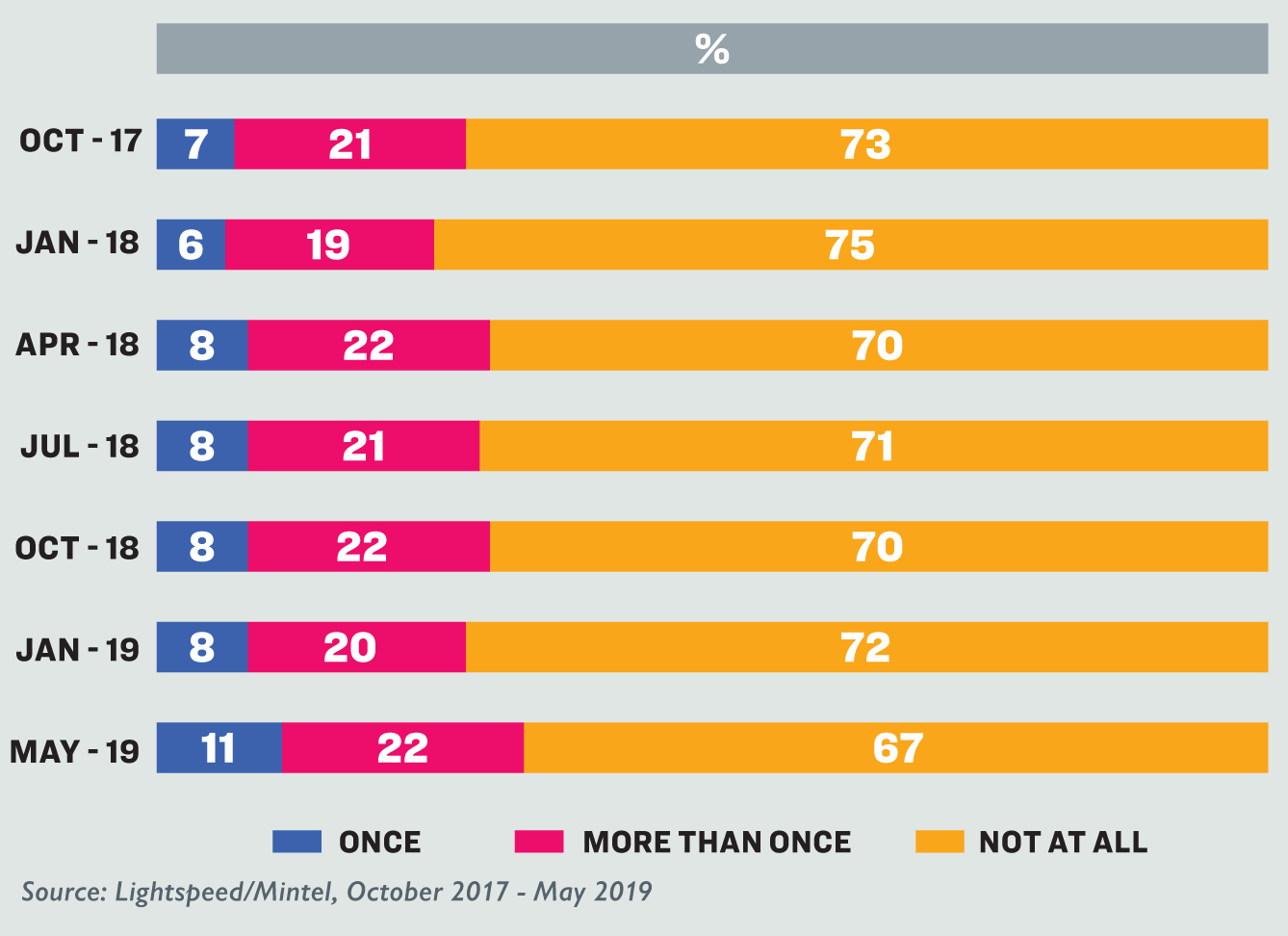
ATTITUDES TOWARDS HEALTH & FITNESS CLUB CLASSES
Use of gyms/leisure centres in the past month
“How often have you done the following leisure activities in the past month? – Gone to a gym/leisure centre.”
Fifty-eight per cent of people say classes are the main reason they go to a health club / PHOTO: SHUTTERSTOCK/HANAEKO_STUDIO
Offering joint memberships
to friends and housemates
can boost retention / PHOTO: SHUTTERSTOCK/FLAMINGO IMAGES
Mass protests have been taking place since Monday 1 June in Albania over the development of
a luxury resort by Donald Trump’s daughter Ivanka Trump and her husband Jared Kushner.
Global Wellness Day (GWD) marked its 15th anniversary on Saturday 13 June 2026, with the
theme: #JoyMagenta – a celebration of the healing qualities of simple gestures and activities
that spark joy.
Global luxury hospitality brand, Six Senses, has partnered with longevity healthcare provider,
HUM2N, to launch a clinic at Six Senses London, at The Whiteley.
As part of its first hotel partnership, Mayrlife – the medical health resort company known for its
site in Altaussee, Austria – has launched a day clinic at the Rosewood Vienna.
Premium London health club, KX Chelsea, will imminently unveil its most significant
redevelopment since its launch in 2002 to create an integrated wellness model combining
training, recovery and relaxation.
Rosewood Le Guanahani St Barth, on the northeast coast of Saint Barthélemy in the French
West Indies, is offering a programme of ocean-inspired yoga classes between 8-14 June to
celebrate Global Wellness Day (GWD).
Hotel de France, located on the British Isle of Jersey, has created a wellness retreat package
that includes a hot yoga session that will take place in Jersey Zoo’s butterfly sanctuary.
The Ritz-Carlton, Langkawi, in Malaysia, has revealed a schedule for Global Wellness Day
(GWD) that includes guided rainforest walks, mindful movement and guided coastal meditation
experiences.
Longevitix, a clinical platform for preventive and longevity medicine, has launched its AI-
powered intelligence system to help physicians deliver continuous, personalised longevity-
focused care at scale.
Atmantan Wellness Centre, an integrative wellness destination in Mulshi, near Pune in India, is
expanding its portfolio by adding a new centre in Hyderabad that will launch between 2028 and
2029.
+ More news
COMPANY PROFILES
RKF Luxury Linen RKF Luxury Linen, established in the East of France for several decades, owns an artisanal know-how [more...]