21-23 Jun 2026
Midlands (Venue TBA),
Liphook,
United Kingdom
|
22-22 Jun 2026
Worldwide,
|
26-27 Jun 2026
Tobacco Docks,
London,
United Kingdom
|
03-05 Jul 2026
Copenhagen,
Copenhagen,
Denmark
|
19-21 Jul 2026
The Global Ambassador ,
Phoenix,
United States
|
22-25 Jul 2026
The Global Ambassador ,
Phoenix,
United States
|
23-26 Aug 2026
The Riviera Maya Edition Kanai,
Playa del Carmen,
Mexico
|
10-12 Sep 2026
MITEC Kuala Lumpur,Malaysia,
Malaysia
|
|
|
 |
| Benefits of aerobic exercise may be lost in those with increased blood sugar levels |
|
|
| By Tom Walker 18 Aug 2020 |
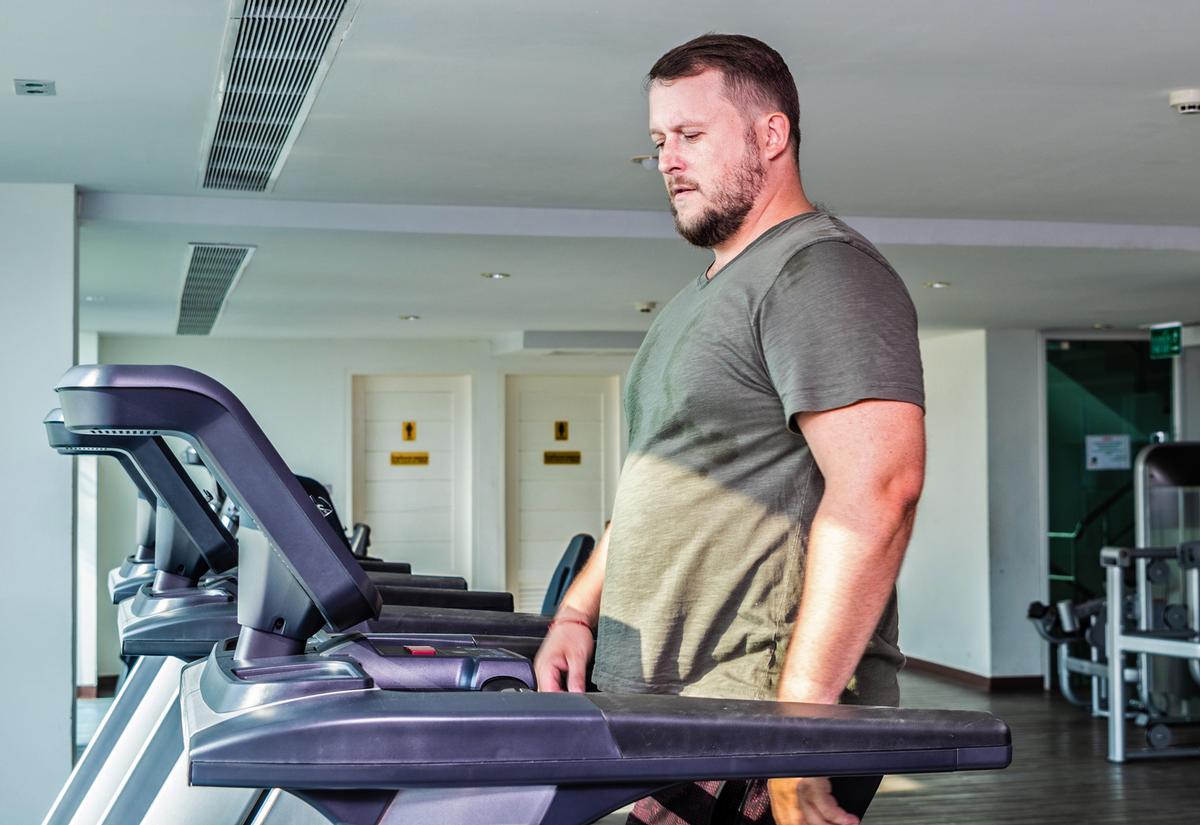
According to the researchers, the results strengthen the view that diet and exercise should not be treated as separate ways to improve health Credit: Shutterstock.com/EvMedvedeva
|
|
Research has suggested that some of the benefits of aerobic exercise may be reduced by higher-than-normal blood sugar levels – a condition known as hyperglycemia.
A team of scientists at Joslin Diabetes Center in Boston, US propose that high levels of blood sugar may prevent muscle remodeling in part by modifying the “extracellular matrix” proteins in the space between the muscle cells, where blood vessels are formed.
According to the researchers, the results strengthen the view that diet and exercise should not be treated as separate ways to improve health – as there is "more interaction between these two lifestyle factors than what was previously known".
Previous clinical studies have demonstrated that people with diabetes or chronically high levels of blood sugar struggle to improve their aerobic exercise capacity compared to people with normal blood sugar levels.
For the research, the team at Joslin studied two groups. The first consumed a Western diet, high in sugar and saturated fat, which caused some weight gain in addition to hyperglycemia.
The other group was modified to produce less insulin, which caused similar increases in blood sugar as the Western diet, even though the subjects ate a diet lower in sugar and fat and maintained normal body weight.
Both groups were subjected to a training protocol to boost their aerobic fitness.
In both hyperglycemic groups, the subjects failed to improve their aerobic exercise capacity compared to those with lower blood sugar levels.
In follow-up clinical tests with young adult volunteers, the Joslin scientists found that those who had higher blood sugar levels in response to ingesting glucose, a condition known as impaired glucose tolerance, showed the lowest aerobic exercise capacity.
The research was led by Joslin's Sarah Lessard, who has previously demonstrated that a biological pathway known as the “JNK” signaling pathway can act as a kind of molecular switch to tell muscle cells to adapt to either aerobic or strength training.
The scientists found that the JNK pathway signals were getting crossed in those with hyperglycemia, by activating pathways associated with strength training, even though they were performing aerobic exercise.
“As a result, the muscles of those with hyperglycemia have bigger fibers and fewer blood vessels, which is more typical of strength training, rather than aerobic training,” Lessard said.
Lessard's team also conducted follow-up clinical tests with young adult volunteers, which found that those who had higher blood sugar levels in response to ingesting glucose, a condition known as impaired glucose tolerance, showed the lowest aerobic exercise capacity.
“Looking at how their muscles responded to a single bout of typical aerobic exercise, we also saw that those with the lowest glucose tolerance had the highest activation of the JNK signalling pathway, which blocks aerobic adaptations,” Lessard added.
“The good news is, however, that although those with hyperglycemia failed to improve aerobic fitness with training, they still achieved other important health benefits from the exercise, including decreased fat mass and improved glucose metabolism.
“So, regular aerobic exercise is still a key recommendation for maintaining health in people with or without hyperglycemia.
"And it is important to note that people with hyperglycemia also can benefit from other forms of exercise, such as strength training, which is recommended for maintaining health."
Overall, the study suggests several approaches that might help people with chronic hyperglycemia eventually overcome the obstacles to building aerobic capacity. One is to adopt a diet designed to keep blood sugar levels low. Another is to take existing diabetes drugs designed to keep blood sugar levels in normal ranges.
“We often think of diet and exercise as separate ways to improve our health,” Lessard says.
“But our work shows that there is more interaction between these two lifestyle factors than what was previously known, and suggests that we may want to consider them together in order to maximise the health benefits of aerobic exercise.”
|
|
|
| News |
| 1 to 12 of 9482 news stories |
|
|
|
18 Jun 2026
Mass protests have been taking place since Monday 1 June in Albania over the development of a luxury resort by Donald Trump’s daughter Ivanka Trump and her husband Jared Kushner. The country’s capital city, Tirana, ... More
|
 |
|
|
|
19 Jun 2026
Eighty-four per cent of consumers now say wellness is a top priority in their lives, with this percentage increasing year on year, according to a preview presentation of McKinsey and Company’s Future of Wellness 2026 ... More
|
|
|
|
|
19 Jun 2026
The UK spa review and discovery platform for consumers, the Good Spa Guide, has announced it will host the Good Spa Guide Awards 2026 during an event on 16 November at Sopwell House Hotel and ... More
|
|
|
|
|
12 Jun 2026
Global luxury hospitality brand, Six Senses, has partnered with longevity healthcare provider, HUM2N, to launch a clinic at Six Senses London, at The Whiteley. This collaboration is significant as it reflects a shift by Six ... More
|
|
|
|
|
10 Jun 2026
Premium London health club, KX Chelsea, is gearing up to unveil its most significant redevelopment since its launch in 2002. The club has been reimagined to create an integrated wellness model combining training, recovery and ... More
|
|
|
|
|
15 Jun 2026
Barons Eden, the UK parent company that operates luxury destination properties in England, has rebranded to become Hiddenwell. The change to the parent identity was carried out following research conducted to help the business strengthen ... More
|
|
|
|
|
09 Jun 2026
Hotel de France, located on the British Isle of Jersey, has created a wellness retreat package that includes a hot yoga session that will take place in Jersey Zoo’s butterfly sanctuary. The all-inclusive two-night Ayush ... More
|
|
|
|
|
08 Jun 2026
Longevitix, a clinical platform for preventive and longevity medicine, has launched its AI-powered intelligence system to help physicians deliver continuous, personalised longevity-focused care at scale. Longevitix combines years of scattered patient data into a complete ... More
|
|
|
|
|
07 Jun 2026
Luxury wellness resort, The Retreat Costa Rica, has introduced its Vida Mía Longevity Centre at the property’s Vida Mía Healing Centre and Spa. The longevity centre adds physician-guided programming to the resort, which was founded ... More
|
|
|
|
|
08 Jun 2026
Atmantan Wellness Centre, an integrative wellness destination in Mulshi, near Pune in India, is expanding its portfolio by adding a new centre in Hyderabad that will launch between 2028 and 2029. Atmantan is a retreat ... More
|
|
|
|
|
11 Jun 2026
As part of its first hotel partnership, Mayrlife – the medical health resort company known for its site in Altaussee, Austria – has launched a day clinic at the Rosewood Vienna. Mayrlife offers holistic health ... More
|
|
|
|
|
10 Jun 2026
Rosewood Le Guanahani St Barth, on the northeast coast of Saint Barthélemy in the French West Indies, is offering a programme of ocean-inspired yoga classes between 8-14 June to celebrate Global Wellness Day (GWD). GWD ... More
|
|
|
|
|
|