International SPA Association - iSPA
 
EMPLOYERS: POST A JOB
Free ezines & magazines
News Video Training Products Magazines Spa Business spa-kit Handbook What's on Advertise Subscribe
Catalogue gallery
More catalogues
Diary dates
Powered by leisurediary.com
21-23 Jun 2026
Midlands (Venue TBA), Liphook, United Kingdom
22-22 Jun 2026
Worldwide,
26-27 Jun 2026
Tobacco Docks, London, United Kingdom
03-05 Jul 2026
Copenhagen, Copenhagen, Denmark
19-21 Jul 2026
The Global Ambassador , Phoenix, United States
22-25 Jul 2026
The Global Ambassador , Phoenix, United States
23-26 Aug 2026
The Riviera Maya Edition Kanai, Playa del Carmen, Mexico
10-12 Sep 2026
MITEC Kuala Lumpur,Malaysia, Malaysia
Lack of exercise is the strongest risk factor in death from COVID-19
By Tom Walker 14 Apr 2021
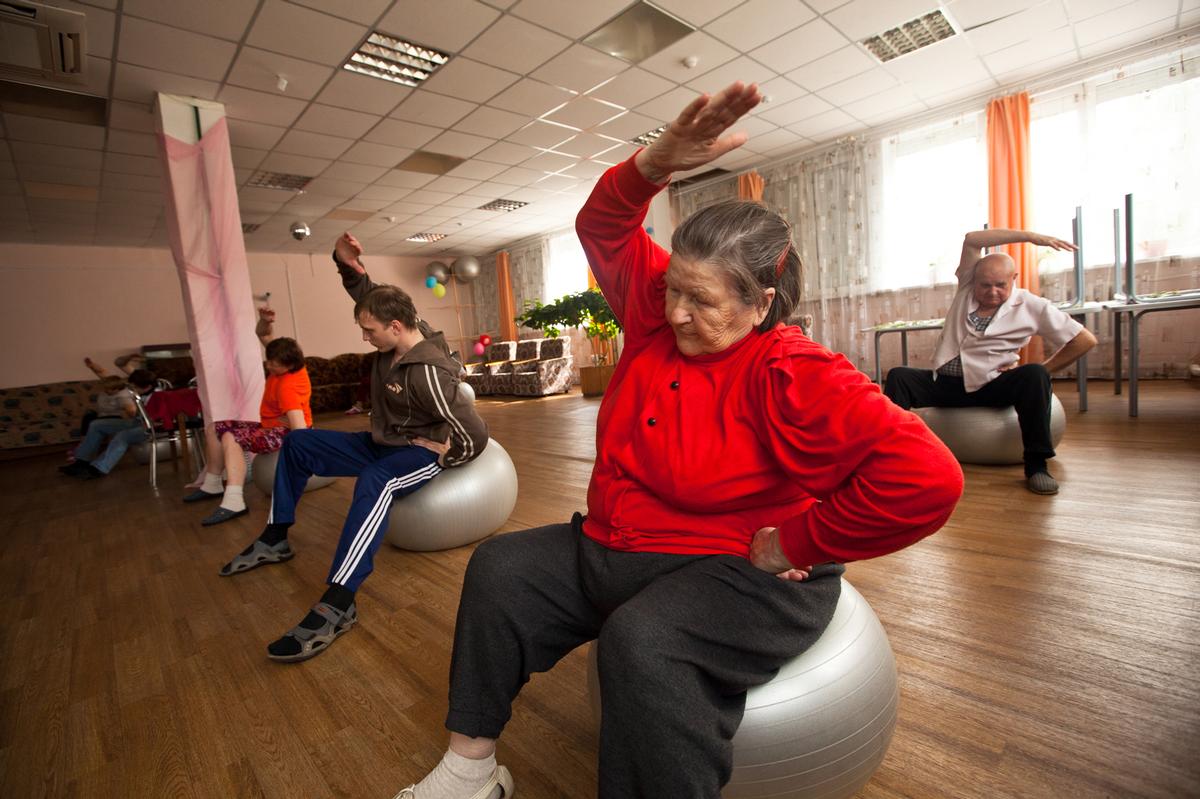
The study found that consistently meeting physical activity guidelines was strongly associated with a reduced risk of severe COVID-19 complications Credit: Shutterstock/De Visu
Being physically inactive could more than double the risk of dying from coronavirus
As a risk factor for severe complications from COVID-19, physical inactivity was trumped only by advanced age and a history of organ transplant
Findings come from a large study by Kaiser Permanente Medical Center in the US
ukactive calls findings a "wake up call"
Lack of exercise is a major cause of death from COVID-19, according to new research, with only advanced age and organ transplant leading to greater risk.

Lack of exercise creates greater levels of risk than smoking, obesity, diabetes, high blood pressure, cardiovascular disease and cancer

A large US study, published online in the British Journal of Sports Medicine today (14 April 2021), suggests being physically inactive could more than double the risk of dying from the coronavirus.

The study found that patients with COVID-19 who were consistently inactive during the two years preceding the pandemic were more likely to be admitted to hospital, to require intensive care and more likely to die than patients who had consistently met physical activity guidelines.

As a risk factor for severe complications from COVID-19, physical inactivity was exceeded only by advanced age and a history of organ transplant.

Dr Robert Sallis, author of the study, said: ”It is notable that being consistently inactive was a stronger risk factor for severe COVID-19 outcomes than any of the underlying medical conditions and risk factors identified by The Centers for Disease Control, except for age and a history of organ transplant.

“In fact, physical inactivity was the strongest risk factor across all outcomes, compared with the commonly cited modifiable risk factors, including smoking, obesity, diabetes, high blood pressure, cardiovascular disease and cancer.

“Therefore, we recommend that public health authorities inform all populations that short of vaccination and following public health safety guidelines such as social distancing and mask use, engaging in regular physical activity may be the single most important action individuals can take to prevent severe COVID-19 and its complications, including death."

To explore its potential impact on the severity of the infection – from hospital admission rates and need for intensive care to death – researchers at the Kaiser Permanente Medical Center in California, US, compared these outcomes in 48,440 adults with confirmed COVID-19 infection between January and October 2020.

The patients’ average age was 47 and nearly two-thirds were women (62 per cent). Around half had no underlying conditions, which included diabetes, COPD, cardiovascular disease, kidney disease, and cancer; nearly 1 in 5 (18 per cent) had only one; and almost a third (32 per cent) had two or more.

All of them had reported their level of regular physical activity at least three times between March 2018 and March 2020 at outpatient clinics.

This was classified as consistently inactive (0–10 mins/week); some activity (11–149 mins/week); or consistently meeting physical activity guidelines (150+ mins/week).

Some 7 per cent were consistently meeting physical activity guidelines, while 15 per cent were consistently inactive, with the remainder reporting "some" activity.

Some 9 per cent of the total were admitted to hospital; around 3 per cent required intensive care; and 2 per cent died.

The study found that consistently meeting physical activity guidelines was strongly associated with a reduced risk of these outcomes.

After taking account of potentially influential factors – such as age and underlying conditions – patients with COVID-19 who were consistently physically inactive were more than twice as likely to be admitted to hospital as patients who clocked up 150+ minutes of physical activity every week.

Those who were inactive were also 73 per cent more likely to require intensive care, and 2.5 times more likely to die of the infection.
Patients who were consistently inactive were also 20 per cent more likely to be admitted to hospital, 10 per cent more likely to require intensive care, and 32 per cent more likely to die of their infection than were patients who were doing some physical activity regularly.

Liz Terry, editor of HCM, said: "These findings reinforce previous research which established the positive effects of activity on COVID-19 outcomes, but which were largely ignored by governments. This large-sample study must surely now make a crystal clear case for the importance of exercise and lead to a new focus on physical activity by political decision-makers at the highest level.

"We also need a greater appreciation by governments for the valuable role gyms and health clubs play in making exercise accessible and affordable for the masses."

Commenting on the findings, Huw Edwards, CEO of ukactive, said the findings provided a "wake-up call".

"We know physical inactivity is one the greatest causes of death and disease globally and the UK’s activity levels are not where they should be, weakening us against COVID-19," Edwards said.

"There is an opportunity for the Government to prioritise physical activity through both greater investment and taxation and regulatory reform, and begin to improve our national wellbeing following this crisis.”

To access the full study, click here for the British Journal of Sports Medicine.


News
1 to 12 of 9482 news stories
18 Jun 2026
Mass protests have been taking place since Monday 1 June in Albania over the development of a luxury resort by Donald Trump’s daughter Ivanka Trump and her husband Jared Kushner. The country’s capital city, Tirana, ... More
19 Jun 2026
Eighty-four per cent of consumers now say wellness is a top priority in their lives, with this percentage increasing year on year, according to a preview presentation of McKinsey and Company’s Future of Wellness 2026 ... More
19 Jun 2026
The UK spa review and discovery platform for consumers, the Good Spa Guide, has announced it will host the Good Spa Guide Awards 2026 during an event on 16 November at Sopwell House Hotel and ... More
12 Jun 2026
Global luxury hospitality brand, Six Senses, has partnered with longevity healthcare provider, HUM2N, to launch a clinic at Six Senses London, at The Whiteley. This collaboration is significant as it reflects a shift by Six ... More
10 Jun 2026
Premium London health club, KX Chelsea, is gearing up to unveil its most significant redevelopment since its launch in 2002. The club has been reimagined to create an integrated wellness model combining training, recovery and ... More
15 Jun 2026
Barons Eden, the UK parent company that operates luxury destination properties in England, has rebranded to become Hiddenwell. The change to the parent identity was carried out following research conducted to help the business strengthen ... More
09 Jun 2026
Hotel de France, located on the British Isle of Jersey, has created a wellness retreat package that includes a hot yoga session that will take place in Jersey Zoo’s butterfly sanctuary. The all-inclusive two-night Ayush ... More
08 Jun 2026
Longevitix, a clinical platform for preventive and longevity medicine, has launched its AI-powered intelligence system to help physicians deliver continuous, personalised longevity-focused care at scale. Longevitix combines years of scattered patient data into a complete ... More
07 Jun 2026
Luxury wellness resort, The Retreat Costa Rica, has introduced its Vida Mía Longevity Centre at the property’s Vida Mía Healing Centre and Spa.  The longevity centre adds physician-guided programming to the resort, which was founded ... More
08 Jun 2026
Atmantan Wellness Centre, an integrative wellness destination in Mulshi, near Pune in India, is expanding its portfolio by adding a new centre in Hyderabad that will launch between 2028 and 2029. Atmantan is a retreat ... More
11 Jun 2026
As part of its first hotel partnership, Mayrlife – the medical health resort company known for its site in Altaussee, Austria – has launched a day clinic at the Rosewood Vienna. Mayrlife offers holistic health ... More
10 Jun 2026
Rosewood Le Guanahani St Barth, on the northeast coast of Saint Barthélemy in the French West Indies, is offering a programme of ocean-inspired yoga classes between 8-14 June to celebrate Global Wellness Day (GWD). GWD ... More
     
International SPA Association - iSPA
Templespa Ltd
Company Profile
Blue Rakun
Blue Rakun spaces are thoughtful, intuitive, and designed around real human behaviour, taking into [more]
 
MORE PROFILES
Featured Supplier
Endospheres' new protocols are designed to meet real client needs
Spa professionals see it every day: clients are arriving with more complex expectations. ... more
Myrtha Wellness
Product news
Pharmos Natur launches Lunar Skin Ritual using products designed to work at night
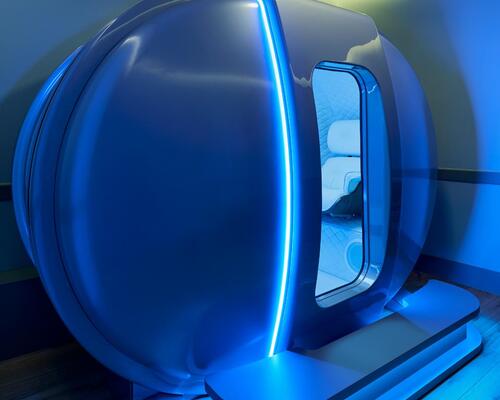
HPO Tech introduces hyperbaric chamber, Oyster
Glow beyond protection: meet Comfort Zone Hydramemory Hybrid Glow SPF 30
Rebalance Tech ramps up Impulse rollout
Manduka debuts premium P/ROX hybrid fitness mat
Voya launches Resurge Hair and Scalp Elixir and spa treatments
Directory

 
JOBS
NEWS
VIDEO
TRAINING
PRODUCTS
MAGAZINE
 
SPA BUSINESS
SPA-KIT.NET
SPA BUSINESS HANDBOOK
SUBSCRIBE
ADVERTISE
FREE DIGITAL SUBSCRIPTIONS
CONTACT US

Leisure Media
Tel: +44 (0)1462 431385

©Cybertrek 2026


International SPA Association - iSPA
News   Products   Magazine
NEWS
Lack of exercise is the strongest risk factor in death from COVID-19
POSTED 14 Apr 2021 . BY Tom Walker
The study found that consistently meeting physical activity guidelines was strongly associated with a reduced risk of severe COVID-19 complications Credit: Shutterstock/De Visu
Being physically inactive could more than double the risk of dying from coronavirus
As a risk factor for severe complications from COVID-19, physical inactivity was trumped only by advanced age and a history of organ transplant
Findings come from a large study by Kaiser Permanente Medical Center in the US
ukactive calls findings a "wake up call"
Lack of exercise is a major cause of death from COVID-19, according to new research, with only advanced age and organ transplant leading to greater risk.

Lack of exercise creates greater levels of risk than smoking, obesity, diabetes, high blood pressure, cardiovascular disease and cancer

A large US study, published online in the British Journal of Sports Medicine today (14 April 2021), suggests being physically inactive could more than double the risk of dying from the coronavirus.

The study found that patients with COVID-19 who were consistently inactive during the two years preceding the pandemic were more likely to be admitted to hospital, to require intensive care and more likely to die than patients who had consistently met physical activity guidelines.

As a risk factor for severe complications from COVID-19, physical inactivity was exceeded only by advanced age and a history of organ transplant.

Dr Robert Sallis, author of the study, said: ”It is notable that being consistently inactive was a stronger risk factor for severe COVID-19 outcomes than any of the underlying medical conditions and risk factors identified by The Centers for Disease Control, except for age and a history of organ transplant.

“In fact, physical inactivity was the strongest risk factor across all outcomes, compared with the commonly cited modifiable risk factors, including smoking, obesity, diabetes, high blood pressure, cardiovascular disease and cancer.

“Therefore, we recommend that public health authorities inform all populations that short of vaccination and following public health safety guidelines such as social distancing and mask use, engaging in regular physical activity may be the single most important action individuals can take to prevent severe COVID-19 and its complications, including death."

To explore its potential impact on the severity of the infection – from hospital admission rates and need for intensive care to death – researchers at the Kaiser Permanente Medical Center in California, US, compared these outcomes in 48,440 adults with confirmed COVID-19 infection between January and October 2020.

The patients’ average age was 47 and nearly two-thirds were women (62 per cent). Around half had no underlying conditions, which included diabetes, COPD, cardiovascular disease, kidney disease, and cancer; nearly 1 in 5 (18 per cent) had only one; and almost a third (32 per cent) had two or more.

All of them had reported their level of regular physical activity at least three times between March 2018 and March 2020 at outpatient clinics.

This was classified as consistently inactive (0–10 mins/week); some activity (11–149 mins/week); or consistently meeting physical activity guidelines (150+ mins/week).

Some 7 per cent were consistently meeting physical activity guidelines, while 15 per cent were consistently inactive, with the remainder reporting "some" activity.

Some 9 per cent of the total were admitted to hospital; around 3 per cent required intensive care; and 2 per cent died.

The study found that consistently meeting physical activity guidelines was strongly associated with a reduced risk of these outcomes.

After taking account of potentially influential factors – such as age and underlying conditions – patients with COVID-19 who were consistently physically inactive were more than twice as likely to be admitted to hospital as patients who clocked up 150+ minutes of physical activity every week.

Those who were inactive were also 73 per cent more likely to require intensive care, and 2.5 times more likely to die of the infection.
Patients who were consistently inactive were also 20 per cent more likely to be admitted to hospital, 10 per cent more likely to require intensive care, and 32 per cent more likely to die of their infection than were patients who were doing some physical activity regularly.

Liz Terry, editor of HCM, said: "These findings reinforce previous research which established the positive effects of activity on COVID-19 outcomes, but which were largely ignored by governments. This large-sample study must surely now make a crystal clear case for the importance of exercise and lead to a new focus on physical activity by political decision-makers at the highest level.

"We also need a greater appreciation by governments for the valuable role gyms and health clubs play in making exercise accessible and affordable for the masses."

Commenting on the findings, Huw Edwards, CEO of ukactive, said the findings provided a "wake-up call".

"We know physical inactivity is one the greatest causes of death and disease globally and the UK’s activity levels are not where they should be, weakening us against COVID-19," Edwards said.

"There is an opportunity for the Government to prioritise physical activity through both greater investment and taxation and regulatory reform, and begin to improve our national wellbeing following this crisis.”

To access the full study, click here for the British Journal of Sports Medicine.

RELATED STORIES
Health clubs reopen in England as report shows 40,000 COVID-19 deaths could have been prevented in the UK with greater health equality


Health clubs, leisure centres and fitness studios in England have opened their doors today (12 April) for the first time during 2021.
Report on longevity calls for £3bn government investment to 'build back better health' in the UK


A parliamentary report is calling for a £3bn intervention fund to build back better health as we come out of the COVID-19 pandemic.
Sports minister 'understands sentiments' behind Work Out to Help Out


It is unlikely that the UK will see a Work Out to Help Out scheme being introduced, despite sports minister Nigel Huddleston saying he "understood" why so many people are backing one.
MORE NEWS
The Good Spa Guide sets up event for modified Good Spa Guide Awards
The UK spa review and discovery platform for consumers, the Good Spa Guide, has announced it will host the Good Spa Guide Awards 2026 during an event on 16 November at Sopwell House Hotel in St Albans, UK.
McKinsey: 84 per cent of consumers say wellness is a top priority
Eighty-four per cent of consumers now say wellness is a top priority in their lives, with this percentage increasing year on year, according to a preview presentation of McKinsey’s Future of Wellness 2026 research report.
Protests continue in Albania against US$1.6 billion luxury resort backed by Jared Kushner and Ivanka Trump
Mass protests have been taking place since Monday 1 June in Albania over the development of a luxury resort by Donald Trump’s daughter Ivanka Trump and her husband Jared Kushner.
Barons Eden rebrands to Hiddenwell ahead of spa hotel portfolio expansion
Barons Eden, the UK parent company that operates luxury destination properties in England, has rebranded to become Hiddenwell.
Belgin Aksoy marks 15 years of Global Wellness Day
Global Wellness Day (GWD) marked its 15th anniversary on Saturday 13 June 2026, with the theme: #JoyMagenta – a celebration of the healing qualities of simple gestures and activities that spark joy.
HUM2N launches longevity clinic at Six Senses London
Global luxury hospitality brand, Six Senses, has partnered with longevity healthcare provider, HUM2N, to launch a clinic at Six Senses London, at The Whiteley.
+ More news   
 
COMPANY PROFILES
Clinique La Prairie

Clinique La Prairie is a name that has been synonymous with health and longevity for over 90 years, [more...]
+ More profiles  
DIRECTORY
+ More directory  
DIARY


21-23 Jun 2026

Spa Life International (UK)

Midlands (Venue TBA), Liphook, United Kingdom
22-22 Jun 2026

World Bathing Day

Worldwide,
+ More diary  


CONTACT US

Leisure Media
Tel: +44 (0)1462 431385

©Cybertrek 2026

ABOUT LEISURE MEDIA
LEISURE MEDIA MAGAZINES
LEISURE MEDIA HANDBOOKS
LEISURE MEDIA WEBSITES
LEISURE MEDIA PRODUCT SEARCH
PRINT SUBSCRIPTIONS
FREE DIGITAL SUBSCRIPTIONS