In today’s premium spa environment, every detail shapes the guest experience – right down to
the softness of towels and the freshness of linens. ... more
We learned a great deal about the psychology of
people and their commitment to exercise during
pandemic lockdowns, as research from UCL
has found. Kath Hudson reviews the findings
People were working more hours during lockdown 3.0 which impacted on activity levels / Photo: shutterstock/Zamuruew
Whereas in the first lockdown it seemed like everyone was dragging bikes out of sheds, going for walks in the best spring weather in years, embarking on gardening and DIY projects, and embracing activities like crafting, baking or making TikTok videos, this enthusiasm to make the best of things appeared to have fizzled out by 2021, according to UCL research.
From the start of the first lockdown, UCL assessed the psychological and social impact of the pandemic, via weekly surveys and selected interviews of more than 70,000 adults in the UK for the UCL COVID-19 Social Study.
Funded by the Nuffield Foundation, with additional support from Wellcome and UK Research and Innovation, UCL updated a number of organisations, including the World Health Organization and the UK government Cabinet Office.
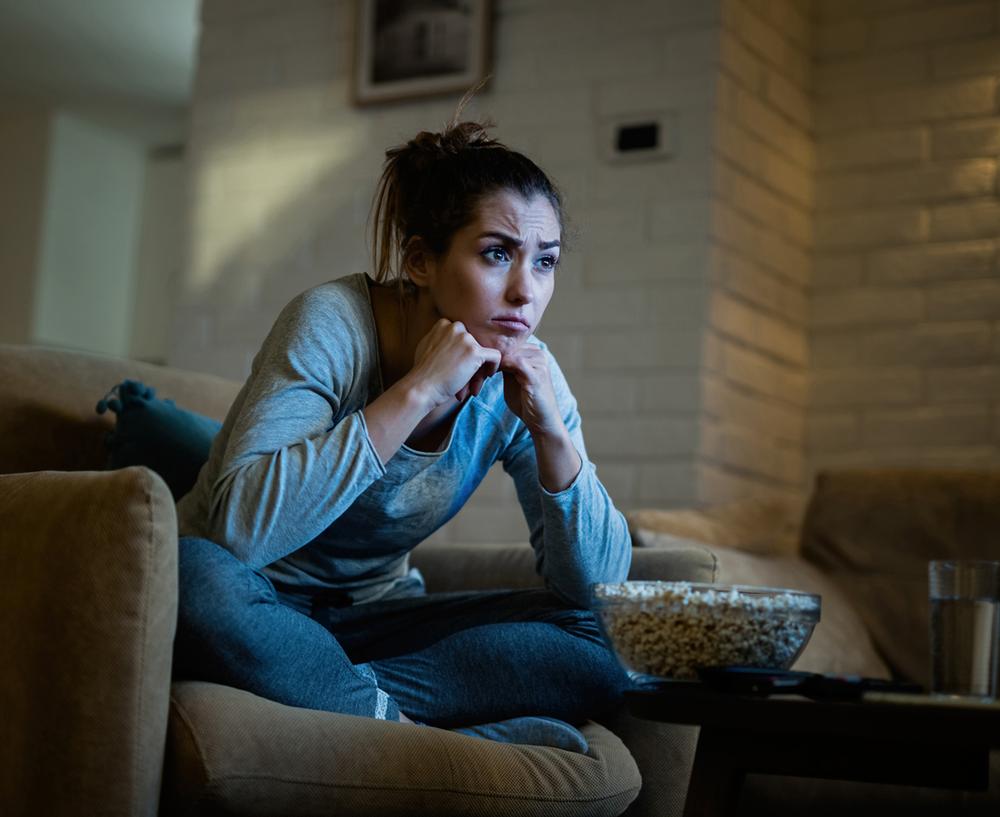
Heading to couchlandria In January, the UCL research showed 40 per cent of the UK population was exercising less in the third lockdown than during the first, with 97 per cent watching more television, streaming films or gaming.
Hobbies also waned in their appeal, with 36 per cent reporting reduced involvement with arts and crafts and 30 per cent saying they were less engaged with other hobbies, such as gardening and DIY.
Lead author, Dr Daisy Fancourt said: “It’s not surprising the third lockdown saw fewer people exercising than the first, taking place as it did during the winter months, but this is still a cause for concern, as exercise can boost not just physical, but also mental wellbeing.
“The reduction in time spent on hobbies and volunteering can partially be explained by the increased time spent working, but also hints the novelty of increased free time which came with the first lockdown wore thin among much of the population, with many turning towards the easier options of television and gaming to fill their time.”
Survival mode Laura Brooks, development manager at mental health charity Sport in Mind, says the short days and the winter weather had an impact on the levels of exercise, but she also believes time was a factor, with increased pressure around home schooling and a stronger work focus. According to the research 34 per cent of people reported they were working more.
“In the third lockdown, more pressure was put on people to perform normally with work, at the same time as juggle home schooling, which was more intense than in lockdown one,” says Brooks. “In lockdown three we all entered survival mode.
“When you have an end date you can pace yourself, but when you don’t know how long something is going to go on for it has a negative impact on motivation levels.”
By the middle of February, when UCL was collating the results from weeks 46 and 47, there was evidence that mental health had taken a real dip across the nation, with happiness levels hitting the lowest point of the entire pandemic and life satisfaction at its lowest since the spring of 2020. Depression and anxiety levels had worsened since the summer, falling after the announcement of the third lockdown. Loneliness was also at the highest level.
Those most affected by symptoms of depression and anxiety were young adults aged 18 to 29, women, people with lower household income, people with a long-term physical health condition, people from ethnic minority backgrounds and people living with children.
“This is another sign that many people found the third lockdown much tougher than the first and were more focused on just coping with their current circumstances, rather than attempting to find ways to enjoy them,” says Fancourt.
Sport in Mind’s Paul Owen says: “The third lockdown did start to feel like an extension of the first one. In December, as vaccinations became approved, we felt a sense of hope that the end was in sight. But, even though the vaccination rollout, was going well through January and February, and having a major impact, the progress was set against the darkest days of the pandemic in terms of the rising death toll, hospital admissions, a soaring infection rate and news of the variants.”
Owen predicted that as the easing of the third lockdown coincided with lengthening days, improving weather, lower infections and a successful vaccination programme, spirits were likely to lift, as they had in June 2020 after the first lockdown.
Double whammy However, as the virus will leave its legacy in terms of economic disruption for some time to come, it will continue to have an impact on mental health. In December 2020, UCL discovered that one in three people were worried about finances and one in six were worried about their jobs. For many, Brexit is causing a double whammy, with 10 per cent saying its impact gives them sleepless nights.
Brooks predicted there would be a pent-up demand for getting back to exercise routines and also engage in organised exercise in venues, but even with the vaccine boosting confidence it would still take some people a while to acclimatise to being back indoors with other people.
Across the board it’s been a challenging time, with some people who had existing mental health issues finding they got worse and people who had never suffered with their mental health, experiencing symptoms of depression and anxiety for the first time.
However, Owen does point out one point of focus: “One thing which might come out of the pandemic is that with more people suffering from depression and anxiety, it becomes easier to have the conversation about mental health. Lots of taboos have been blown away which could set a better climate for the future.”
From both a physical and a mental health viewpoint, the health and fitness industry has never been needed as badly as it will be in the months and years ahead.
Even in April 2020, one in four were doing no exercise and 80 per cent of 18- to 30-year-olds reported not doing any moderate or high intensity activity. So who was doing what?
The over 60s preferred gentle exercise to high intensity / Photo: shutterstock/goodluz
30 minutes or more of high intensity activity in the last day
• 14% of 18- to 30-year-olds
• 10% of those 31 to 45
• 9% of 46- to 59-year-olds
• 6% of those 60 plus.
• 12% of men
• 8% of women
• 6% of people living along
• 10% those living with others
• 5% of those with annual household incomes of less than £30,000 versus 12% for those with higher incomes.
• 6% for those with physical health conditions
• 12% of those without a physical health condition
• 5% with mental health conditions
• 10% without
• 5% of those with annual household incomes of less than £30,000
• 12% for those with annual household incomes of more than £30,000
Those doing gentle exercise out of the house
• 36% reported going for a walk or other gentle physical activity for at least 30 minutes
• 39% hadn’t done any
• 43% of over 60s
• 32-35% in other age groups
• 40% of those with annual household incomes of more than £30,000
• 33% of those with a physical health condition
• 28% of those with a mental health condition
Exercise at home for 30 minutes or more in the past day
• 18% overall
• 24% of 18- to 30-year-olds
• 19% of 31- to 45-year-olds
• 16% of those over 46
• 19% women
• 14% men
• 16% living alone
• 19% living with others
• 20% income above £30k
• 15% income lower than £30k
No exercise at all
• 26% of those aged 46-59 years
• 28% those living alone
• 29% those with lower household income
• 29% those with a long term physical health condition
• 34% diagnosed mental health conditions
As a nation, we were tired and demotivated by the third lockdown / Photo: shutterstock/Drazen Zigic
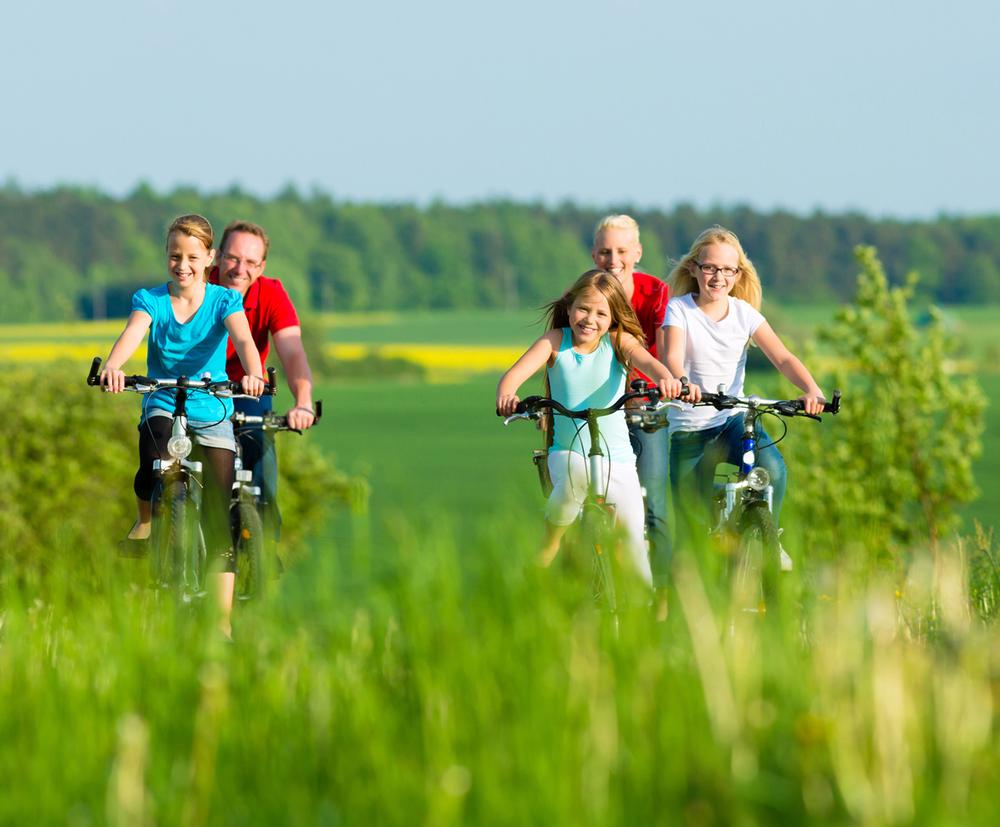
Cycling was one of the winners of the lockdown, with bikes as scarce as toilet roll / Photo: shutterstock/Kzenon
The UK spa review and discovery platform for consumers, the Good Spa Guide, has announced
it will host the Good Spa Guide Awards 2026 during an event on 16 November at Sopwell House
Hotel in St Albans, UK.
Eighty-four per cent of consumers now say wellness is a top priority in their lives, with this
percentage increasing year on year, according to a preview presentation of McKinsey’s Future of
Wellness 2026 research report.
Mass protests have been taking place since Monday 1 June in Albania over the development of
a luxury resort by Donald Trump’s daughter Ivanka Trump and her husband Jared Kushner.
Global Wellness Day (GWD) marked its 15th anniversary on Saturday 13 June 2026, with the
theme: #JoyMagenta – a celebration of the healing qualities of simple gestures and activities
that spark joy.
Global luxury hospitality brand, Six Senses, has partnered with longevity healthcare provider,
HUM2N, to launch a clinic at Six Senses London, at The Whiteley.
As part of its first hotel partnership, Mayrlife – the medical health resort company known for its
site in Altaussee, Austria – has launched a day clinic at the Rosewood Vienna.
Premium London health club, KX Chelsea, will imminently unveil its most significant
redevelopment since its launch in 2002 to create an integrated wellness model combining
training, recovery and relaxation.
Rosewood Le Guanahani St Barth, on the northeast coast of Saint Barthélemy in the French
West Indies, is offering a programme of ocean-inspired yoga classes between 8-14 June to
celebrate Global Wellness Day (GWD).
Hotel de France, located on the British Isle of Jersey, has created a wellness retreat package
that includes a hot yoga session that will take place in Jersey Zoo’s butterfly sanctuary.
The Ritz-Carlton, Langkawi, in Malaysia, has revealed a schedule for Global Wellness Day
(GWD) that includes guided rainforest walks, mindful movement and guided coastal meditation
experiences.
+ More news
COMPANY PROFILES
BC Softwear Ltd Established in 2002 by Barbara Cooke, BC SoftWear provides unmatched expertise in the crafting of th [more...]