03-05 Jul 2026
Copenhagen,
Copenhagen,
Denmark
|
19-21 Jul 2026
The Global Ambassador ,
Phoenix,
United States
|
22-25 Jul 2026
The Global Ambassador ,
Phoenix,
United States
|
23-26 Aug 2026
The Riviera Maya Edition Kanai,
Playa del Carmen,
Mexico
|
10-12 Sep 2026
MITEC Kuala Lumpur,Malaysia,
Malaysia
|
18-20 Sep 2026
Sheraton Norfolk Waterside,
Norfolk,
United States
|
22-23 Sep 2026
Four Seasons Hotel Bangkok at Chao Phraya River,
Bangkok ,
Thailand
|
27-29 Sep 2026
Farnham Estate Spa & Golf Resort,
Ireland
|
|
|
 |
| Global Wellness Summit tackles workplace wellness. Summit Day 1 afternoon session |
|
|
| By Liz Terry 14 Nov 2015 |
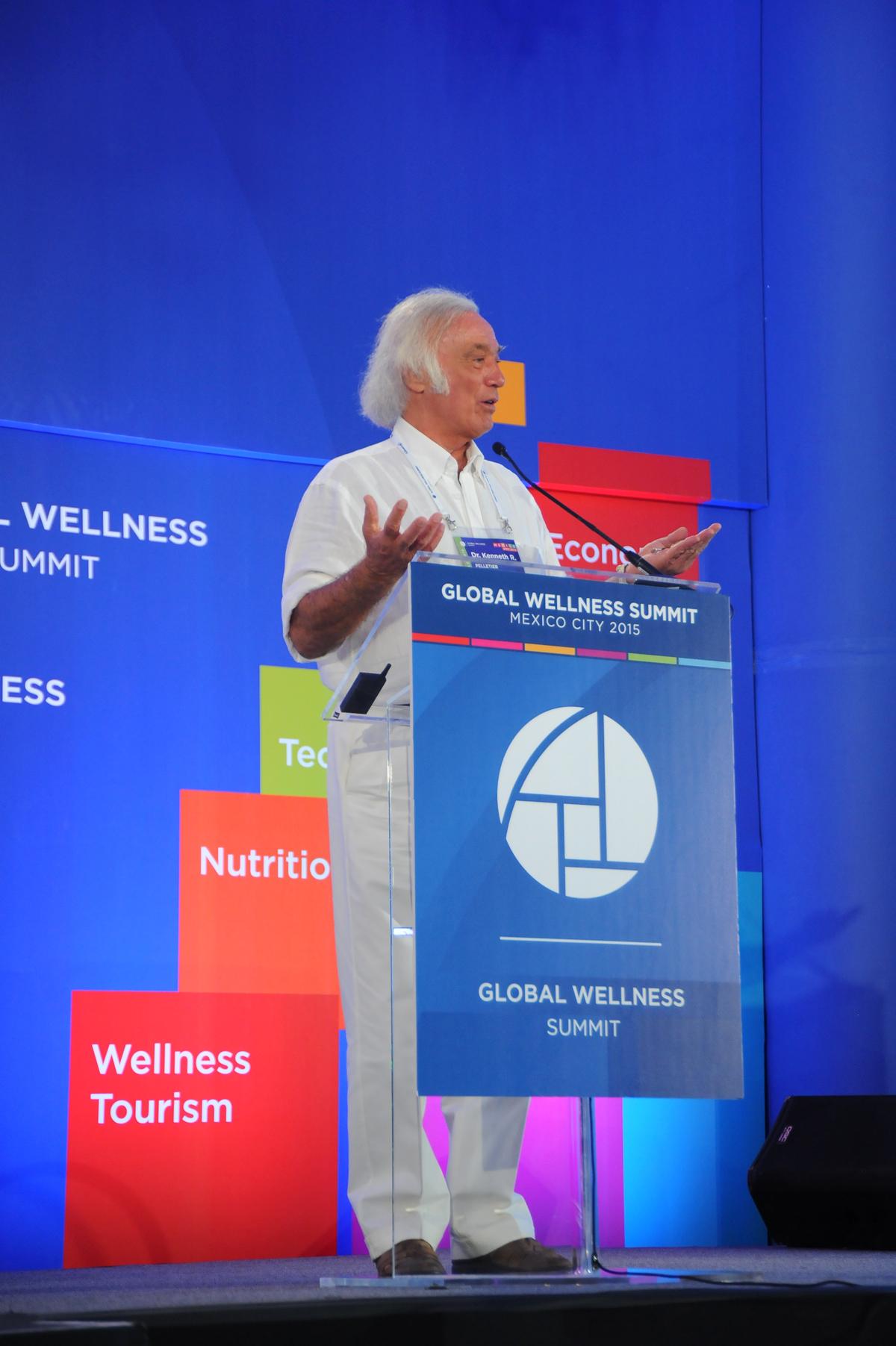
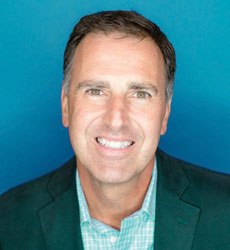
Pelletier shared valuable knowledge about workplace wellness Credit: GWS/GW!
|
|
The afternoon session of the Global Wellness Summit day 1 (November 13 2015) tackled workplace wellness, commencing with a presentation on understanding workplace wellness by Dr Ken Pelletier and Dr Fikry Isaac, VP of Global Health Services of Johnson & Johnson.
Pelletier argued that spa and wellness providers need to learn a vocabulary which enables them to grow their workplace wellness contracts by communicating more effectively with businesses, saying that at the present time, “corporations don’t know you exist.”
He said a study – to be published in a month’s time – will show companies with corporate wellness schemes generate a 200 per cent greater return for shareholders and that a proportion of this profit can be attributed to their wellness programme.
There are exciting initiatives underway in workplace wellness. Peletier said IBM will launch a programme for all its employees next year, for example.
He said the average fortune 500 corporate company spends 80 per cent of its after tax profit on medical costs and that employee health follows the economy, improving during stable economic times and declining when things become challenging. This decline is steeper during economic collapse, which people find highly stressful.
Examples of successful corporate wellness programmes included Ford Motor Company’s back pain initiative, NASA’s stress adaptation work, the Prudential’s intervention for people with disabilities and the University of Arizona School of Medicine and Marino Centre three year study tracking the 10 most common illnesses.
Pelletier recommended the 2010 report Workplace Wellness Programs Can Generate Savings from economists Katherine Baicker, David Cutler and Zirui Song, but said ultimately there is no clear data about the overall impact of workplace wellness programmes.
He has identified a total of 219 studies into workplace wellness, of which, 155 reported financial outcomes, 93 reported ROI and all were positive, with ROI outcomes most evident approximately 3.25 years into the programme.
Pelletier has carried out a study into a sample of companies which have won the Koop Award – a national health award in the US which recognises outstanding workplace health improvement programmes. The award is given by an organisation called The Health Project.
He took a sample of award winners – Pepsi, Pfizer, Citibank, Johnson & Johnson – and looked at their earnings three years before and after winning the award, to see which were more profitable over that period. Results showed that against an average among the S&P 500 of a 150 per cent return, the Koop winners showed a 350 per cent return over the six year period.
Pelletier said the current measure of return on investment is being rapidly replaced by a new measure – value on investment – which includes things like satisfaction, employee motivation, staff turnover and performance profitability. Health is an underpinning component of that, with companies interested in funding more than just a programme – they want to maintain a culture of health.
The second speaker on this topic, Johnson & Johnson’s Isaac, said the company has a legacy of caring for its employees which goes back to 1886. Engaging employees has given them a distinct competitive advantage, as employees have BMIs which are 22 per cent lower than the average, for example.
Johnson & Johnson has 250 operating companies in 65 countries. Isaac said the company doesn’t just want to help staff achieve good blood pressure and cholesterol readings, but is also ambitious to ensure they create healthy workplaces and collaborate with employees to keep them engaged and help them find their purpose “It’s about how do they feel inside,” he said.
Healthy & Me is a new mobile platform which allow employees to download a Johnson & Johnson app to deal with nutrition and to share goals. “Workplaces need to evolve into more healthy environments, concluded Isaac, “And CEOs should lead the way.”
A panel followed, with moderator Jeremy Abbate from Scientific American leading a discussion
on Clinical Wellness with Thomas Gubanc, senior director, Cleveland Clinic, Dr Karen Koffler, medical director, Carillon Hotel and Spa (formerly known as Canyon Ranch), Dr Paul Limburg, medical director Mayo Clinic, Dr Adam Perlman, associate VP Duke Health & Wellness, Dr Juliet Skinner - co-founder & medical director, Barbados Fertility Centre and Josef Woodman - CEO of Patients Beyond Borders.
Abbate told delegates that when the WHO was formed it set out a definition of health – Health is a state of complete physical mental and social wellbeing. and not merely the absence of disease or infirmity. This holistic approach was to be revisited for this panel, he said.
The debate ranged widely. Adam said we must move from treating illness and being reimbursed for it, to looking more at prevention, saying “patients are demanding a different kind of experience with health care – they have more choices. Health care providers are looking internally to establish whether if they can offer that kind of experience and the answer is invariably no, so they are looking to spas – where experience is key, for inspiration.
Skinner said the Barbados Fertility Centre focuses on individualised care in a stressless environment. She said the clinic offers massage and accupuncture and that these wellness interventions made a “5 to 10 per cent difference” when it came to conception rates.
Koffler said there’s a schism between the way the medical world thinks and the way the spa world thinks. She said she’d like spa to use a similar language and build bridges with the medical profession to the advantage of both, saying, “There’s a huge and growing population of physicians who are exhausted by the system we’ve allowed to be created.”
Limburg said the system is broken and “we each need to do our part to fix it.” The Mayo Clinic has been working to improve health and wellness since it was founded in 1920.
“How do we do a better job of health AND wellbeing?” He asked, saying “Our goal is to inspire hope and to contribute health and wellbeing around the globe and for our own employees.
The Mayo Clinic started a healthy living programme for patients 2 years ago and this has made
150 years’ of knowledge accessible to everyone via the web.
Koffler said that instead of random care, there needs to be a better conversation between spa and medical. The effects of wellness interventions take longer to achieve and the two are complementary, with the strength of the spa team being their ability to touch the patient.
Limburg agreed, saying medical protocols meant clinicians only had 7-8 mins to talk to a patient and this is not long enough. “We need to understand all individuals are ‘health seekers’ – we have to find out what problem you are trying to solve.
“It’s not always a question of whether a patient needs medication or massage therapy,” he said “ Studies have shown that massage can actually reduce the need for medication.”
The panel discussed the growth of wellness. Abbate highlighted the inequalities of the world, saying “Hopefully these resources can be democratised.” Gubanc said, “The evolution of mobile apps is an example of how we can do this.”
Abbate noted that in some cases, people are going back to using old techniques (leeches etc). He asked if there is real value in these methods and whether their effects should be measured and codified.
The way we evaluate investment in health was also discussed. Gubnac said “Quality vs cost outcomes need to be understood better – more work needs to be done on this.”
The audience was excited to hear Perlman from Duke say that lifestyle is the biggest determinant of health: “We thought after we cracked the human genome that we would have the solution to all kinds of diseases,” he said, “But we’ve found that it’s actually the epigenetic modifiers which actually determine health – things like sleep, exercise, massage and air quality
Koffler said we must empower people to “play a role in their own healthcare” saying “It’s up to us to get to know that person to find out how to treat them. We used to ‘name’ their problem and ‘blame’ a lifestyle choice for that problem, but we’ve left that model behind.”
Woodman argued for prevention and a shift in perception, saying, “Patients need to come in more informed – if they only have seven minutes with a physician. Hospital shouldn’t be thought of as just places to go to be made ‘unsick’ – but a place to go to get well. At government level, prevention and lifestyle management seems like a no brainer to me.”
Assistant Professor Dr Josef Allen of Harvard’s T.H. Chan School of Public Health discussed Harvard’s Healthy Buildings Programme, focusing on a new vocabulary to describe indicators of healthy environments.
Allen highlighted the link between material selection for buildings and the impact on human health. Humans spend 90 per cent of their time indoors and he said these interior environments are the areas most people are ignoring when it comes to improving workplace wellness for employees.
“We all know that going outside is healthier than being indoors, but many of us don’t know that even our carpets and chairs exude chemicals that affect our health, such as obesogens,” said Allen.
Historically, research into measuring the health of people within buildings hasn’t been objective enough. The average room gets one air change per hour, according to Allen, but in the 1980s this was reduced when air conditioning energy costs were reduced – down to 0.2 air changes per hour. This stale air led to the Sick Building Syndrome in 1985; the name given to the concentration of indoor pollutants.
“It is no longer acceptable to be in a building that makes us ‘not sick’: we need buildings that make us healthy,” said Allen.
Allen conducted a review earlier this year on the effect green buildings and their indoor environment quality have on human health - specifically cognitive function. Studies prior to Allen’s had many limitations, for example, small sample size and subjective responses.
To eradicate subjective results, he measured the cognitive function of 24 workers in optimised green buildings versus standard spaces. The working participants were taken into simulated environment and, from below, he controlled a number of variables variables and modified one at a time for this environment each day. At the end of the day they administered a cognitive function test. This was a ‘double-blinded’ experiment in that the participants had no idea they were in a simulated environment and the data analysts were also uninformed about the nature of the experiment.
The three variables tested included the amount of outdoor air ventilation pumped indoors, the level of carbon dioxide and the number of volatile toxic compounds in the atmosphere (this includes common chemicals found in personal care products, in carpets, chairs etc).
The results showed a doubling of cognitive function scores for people experiencing increased outdoor ventilation. The three cognitive functions that were enhanced dramatically were in response to tasks that required information usage, crisis response and strategy.
“For decades we thought carbon dioxide percentages of these normal levels (1,400 parts per million) didn’t have a huge negative impact, but they do,” added Allen.
“Normal business key performance indicators (KPIs) of every company need to become health performance indicators (HPIs) as these are the metrics that matter the most.”
HPIs that employers should consider carefully – to improve the health and thus the productivity of employees – should include the work space’s biophilic design, green building credits, access to green space, green cleaning procedures, wellness programmes, integrated pest management, ventilation and material selection.
“By implementing and tracking these HPIs within the workplace, we will no longer be ignoring the space in which humans spend 90 per cent of their time,” concluded Allen.
|
|
|
| News |
| 1 to 12 of 9493 news stories |
|
|
|
29 Jun 2026
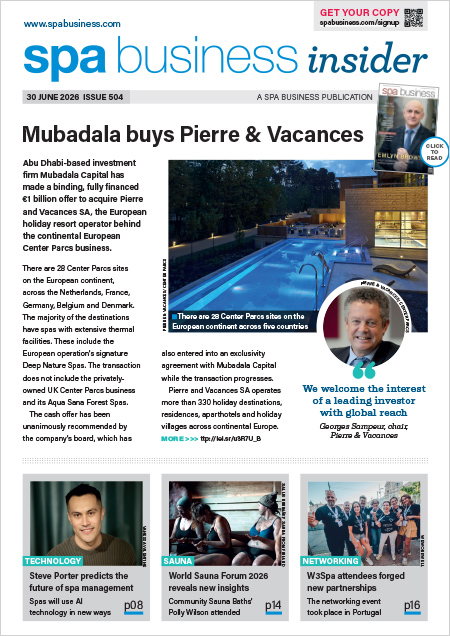
Les Mills, whose name became synonymous with one of the world's leading fitness brands, has passed away peacefully at the age of 91. A Kiwi icon, Mills created a fitness dynasty alongside his wife, Colleen. ... More
|
 |
|
|
|
29 Jun 2026
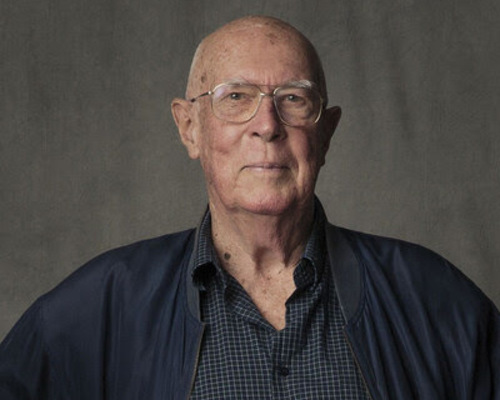
The annual wellness festival dedicated to wellbeing, culture, longevity and human connection, called Alma, will be hosted by Rocco Forte hotel, Verdura Resort in Sicily, Italy. The fifth edition of the event will take place ... More
|
|
|
|
|
29 Jun 2026
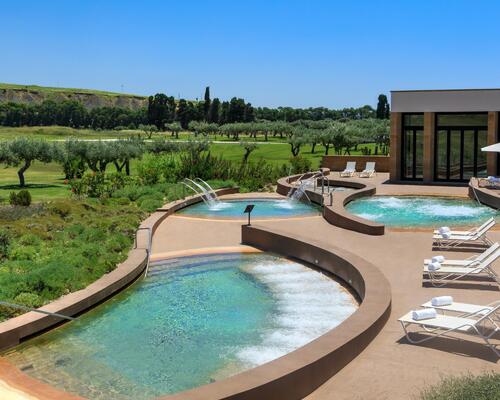
Capella Hotel Group has appointed Feisal Jaffer as chief development officer as the company ramps up its global expansion of both its Capella and Patina brands. Jaffer will lead the group’s global development and shape ... More
|
|
|
|
|
26 Jun 2026
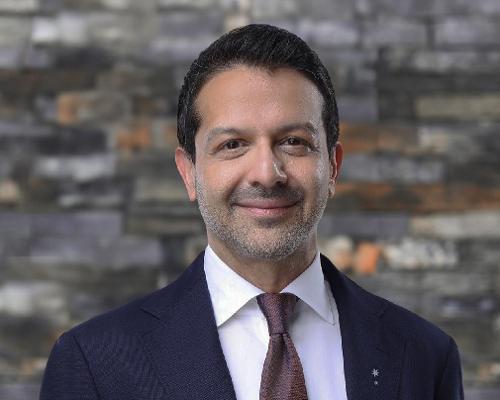
Abu Dhabi-based investment firm Mubadala Capital has made a binding, fully financed €1 billion offer to acquire Pierre and Vacances SA, the European holiday resort operator behind the continental European Center Parcs business. The cash ... More
|
|
|
|
|
26 Jun 2026
People taking GLP-1 weight loss medications such as Ozempic, Wegovy, Mounjaro and Zepbound may be losing weight, but they’re also becoming less physically active, according to new research presented at the ENDO 2026 annual meeting ... More
|
|
|
|
|
25 Jun 2026
Global retreat trade show, Synergy The Retreat Show, has launched a resource called The Source, which hosts an open-access online Transformation Series programme. Different retreat leaders, hoteliers, travel designers, practitioners and wellness innovators will host ... More
|
|
|
|
|
29 Jun 2026
Private hotel owner and developer Hunter Valley Luxury Hotels (HVL Hotels) will open a new luxury resort and tourism destination called Laval Hunter Valley in the second half of 2027 in Pokolbin, Australia. The 65-key ... More
|
|
|
|
|
18 Jun 2026
Mass protests have been taking place since Monday 1 June in Albania over the development of a luxury resort by Donald Trump’s daughter Ivanka Trump and her husband Jared Kushner. The country’s capital city, Tirana, ... More
|
|
|
|
|
19 Jun 2026
Eighty-four per cent of consumers now say wellness is a top priority in their lives, with this percentage increasing year on year, according to a presentation of trends indentified by McKinsey and Company, the outfit ... More
|
|
|
|
|
23 Jun 2026
The Standards Authority for Touch in Cancer Care (SATCC) charity has announced its first five-day Living with Cancer and Beyond retreat, which will be held at Carden Park Hotel and Spa in Cheshire, UK, from ... More
|
|
|
|
|
19 Jun 2026
The UK spa review and discovery platform for consumers, the Good Spa Guide, has announced it will host the Good Spa Guide Awards 2026 during an event on 16 November at Sopwell House Hotel and ... More
|
|
|
|
|
12 Jun 2026
Global luxury hospitality brand, Six Senses, has partnered with longevity healthcare provider, HUM2N, to launch a clinic at Six Senses London, at The Whiteley. This collaboration is significant as it reflects a shift by Six ... More
|
|
|
|
|
| Living Earth Crafts |
| For over 50 years, LEC has been manufacturing award-winning spa equipment for the world’s finest spas
[more] |
|
|
 |
|