The balance of power of hosting international sports events is shifting away from Europe and North America. Major competitions are now being held in countries which until recently would have been described as "developing". But how sustainable is the progress being made by these countries? We speak to international development expert Derek Casey
By Tom Walker | Published in Sports Management Handbook 2014 issue 1
Published in Sports Management Handbook 2014 issue 1
In many cases, funding is channelled into ambitious bids to host high-profile events, rather than grassroots sport / photo: shutterstock
There are a number of emerging countries whose fast growing economies and future prospects are attracting funding from foreign investors. Grouped under terms such as BRIC and MINT, these countries are challenging the more traditional industrial powerhouses with their natural resources and, in many cases, by offering a more “affordable” environment for manufacturing and production.
Inevitably, the economic growth in these countries has resulted in the expansion of middle classes, which has created the need for improved services, health care – and leisure. There is a particularly strong correlation between economic development and sport in many of the emerging nations. As the countries have developed, they have come to use sport – and particularly the hosting of international competitions – as a marketing tool. All of the BRIC countries (Brazil, Russia, India, China) have won bids to host major sporting events in recent years (see table 1), while the MINT countries (Mexico, Indonesia, Nigeria and Turkey) are beginning to show interest in doing so. Turkey has already thrown its hat in, with Istanbul narrowly losing out on the rights to the 2020 Olympics to Tokyo and Japan.
What has been conspicuous in the approach taken by some countries, however, is how the development of competitive sport domestically has not been a priority – or even of parallel importance. While significant funds have been spent on hosting (and bidding for) events and creating iconic, international-standard competition venues, investment in community sport facilities has often remained relatively low. This, however, could be about to change.
The burgeoning middle classes are demanding spaces to get physically active, leading to more emphasis being put on “sport for all” initiatives. From a supplier point of view, this will open up further opportunities for the providers of sports-related infrastructure and services to pitch for business.
Chinese experience Of the BRIC countries, the largest economy belongs to China, where sustained, long-term growth has created a huge, urbanised middle class. As a result, the government faces demands on investing in quality of life – especially in the larger cities. The increased free time and disposable income has led to leisure becoming a major growth sector.
Former Sport England CEO and chair emeritus of the World Leisure Organization, Derek Casey, now spends most of his time traveling the world, advising and lecturing on sports development in all its forms. He predicts the emerging nations and their sports infrastructures will develop in the same way that they did in Europe – and nowhere is this pattern clearer than in China.
“Traditionally, unless a sport is likely to win an Olympic medal, it will not be given funding by the Chinese government," Casey says. "But there is now a mass participation directorate within the Beijing government, so you can see the beginnings of a "sport for all" attitude being adopted as a major contribution to improving the quality of life in China.
"This parallels the continuing emphasis on economic development. As middle classes expand in the likes of the BRIC countries, there'll be an automatic increase in the number of people wanting to play sport regularly.
"We saw this in the UK from the early 1960s onwards. The expansion of the middle classes, their new aspirations and changes in working conditions and practices meant a demand for greater choice and for the provision of more leisure opportunities. We're now seeing similar processes at work in the countries which are experiencing economic development. Witnessing this sometimes makes me wonder whether all the "sport for all" campaigns in the 1970s and 1980s might have been a waste of time. The increases in sport participation numbers were inevitable due to the changing social, cultural and economic positions of the population."
MINTed Casey adds that while the MINT countries aren't as developed economically as China, there are similar patterns emerging – especially in Mexico and Turkey. Both have been actively bidding for major events, resulting in the development of sporting facilities within the countries. Mexico was among the bidders for the Youth Olympics for 2018, which could pave the way for a potential bid for the Olympic Summer Games again sometime soon. Meanwhile, Turkey came close to securing the 2022 Olympic Games with its Istanbul bid and narrowly lost to France in the race for the rights to the 2016 UEFA European Championship.
The Euro 2016 bid also triggered an ambitious, collective plan among football clubs in Turkey to build new – and redevelop existing – football stadia and to bring them up to modern standards. Although those plans have since been downscaled due to France winning the bid, it showed a glimpse of how transformative a successful bid can be for the sporting landscape of an emerging nation.
Of the remaining MINT countries, Nigeria made the final round of bidding for the 2014 Commonwealth Games but lost to Glasgow. Recent political unrest might derail sports development and delay the country's advancement however.
The only one of the group to show little interest in developing sport so far has been Indonesia, where sport largely remains a pastime for the wealthy.
"It's clear that if you see countries developing economically, getting people out of poverty and creating a more equal society, you are very likely to soon see higher levels of participation as well as increased ambitions to become a player on the international stage," Casey says.
"However, bidding, and especially a successful bid, does not just place the spotlight on the event but also on the hosts. In recent years, this spotlight has drawn attention to the social and economic challenges in many of the host countries which has often seemed to come as a surprise to the event owners.”
Natural resources Adding to the BRIC and MINT countries there is a group of oil and gas-rich nations which are utilising their natural resources to create and develop new sectors for their industry. The obvious example – and certainly the most high profile – is the United Arab Emirates’ Dubai, which has for decades used oil revenues to build up its tourism sector. Most other emirates have followed suit and created their own centrally-planned, free-market capitalism – although one could argue that the approaches taken by Abu Dhabi, Ras-al Khaimah and Sharjah are different to Dubai’s glitzy theme parks, indoor snow slopes, entertainment venues and luxury hotels.
Other countries which are using natural resources to future proof their economies by creating new sectors of industry include Kazakhstan, Qatar, Uzbekistan, Bahrain, Angola and Azerbaijan. In all of these countries, tourism will play a major part in economic growth – and sport will be one of the vehicles used to raise awareness of the countries for foreign tourists. Some have already taken the plunge. Qatar was – rather controversially – chosen to host the 2022 FIFA World Cup while Bahrain is now a regular feature on the F1 circuit. Azerbaijan will host the very first European Games in 2015 while Kazakhstan's Almaty is one of the three candidate cities bidding for the 2022 Winter Olympics.
"A 'second tier' is beginning to emerge," says Casey. "They are perhaps furthest away from having an established sport for all programme domestically, but internationally they are capable and – due to the resources – they are keen to invest in facilities. There are also Sub-Saharan African countries whose economies are growing rather well – such as Angola, Botswana and Zambia.
"Angola staged the Africa Cup of Nations in 2010 while Botswana is hosting the 2014 Africa Youth Games. What's encouraging is that many of the African countries are also concentrated on developing sport domestically.It's important for emerging nations to realise that their ambition to play on the international stage should not ignore or be a substitute for parallel domestic development. A strong sports hinterland is a strong base for the successful staging of international events.”
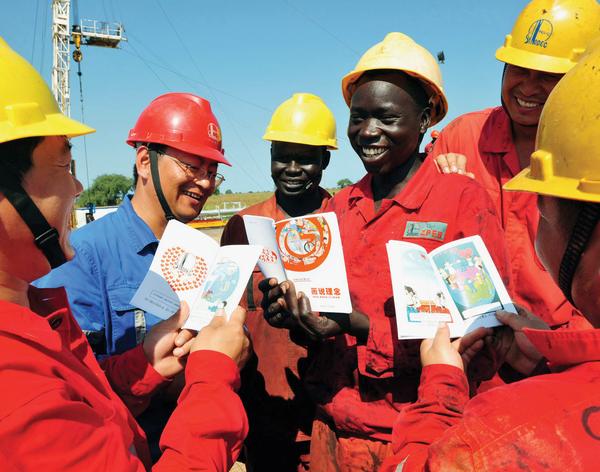
Stadium diplomacy Casey adds that progress in Africa – and other parts of the world – has been helped a great deal by China's concerns over securing the resources it needs to feed its manufacturing industry. Most of the stadiums in Angola which hosted the Africa Cup of Nations were built using Chinese money. "And it isn't just Africa that China is interested in,"Casey adds.
"Many of the Cricket World Cup stadia in the West Indies were funded by Chinese money. One of the bids for the 2018 Commonwealth Games, Hambantota in Sri Lanka, significantly relied on the Chinese for its venues strategy."
Casey predicts that China's impact will only grow as it continues to invest not just in stadia but larger infrastructure projects to ensure the flow of resources.
“What we are beginning to see is the strong influence of China and some of the other BRIC countries – India in particular – playing a role in where major sporting events may take place. How this 'stadium diplomacy' works is that China will build venues in exchange for exclusive trade deals. The stadiums in Angola, for example, were built in return for mining rights, while in Samoa the Chinese have built facilities and received fishing rights.
“The next step could be that China will invest further in larger infrastructure, such as airports, which can then form a base for a sporting event bid. The airport will serve the Chinese aim of providing a way to improve communication with a country, while for the bidding country it will provide a way to improve infrastructure to the level expected from, say, an Olympic host city. I wouldn’t be surprised if one of the countries in which China has invested would win a major competition to host, simply due to the level of investment that they have attracted."
There can, however, be a problematic side to the Chinese method. What happens to the large scale venues once they have been built and the Games are over? Will there be high enough demand to use the international competition standard venues?
“Chinese investment is welcome in so many countries and is contributing to economic development. Capital is provided by the Chinese but not usually the revenue cost," Casey says. "The age-old problem of what do you do with these spaces after the event persists. For example, in Angola there were five new stadia built and most of them are not being used to optimum capacity. This is as much an issue of the demands placed on the host by the event owner as the source of capital funds."
End results So what does the emergence of new players on the international sports stage mean to the established sporting nations? Nations in Europe and the Americas which may have some of the infrastructure already in place to host major games and a strong sports hinterland. Casey predicts that many of them could simply give up on bidding, as the international governing bodies will be increasingly keen to award Games to developing nations to ensure that their particular sport gets a foothold and, by the award of the event, to make rather superficial political statements.
"The Dutch (with Rotterdam and Amsterdam as joint hosts) have decided against a bid for the 2028 Olympic Games," Casey says. "They came to the conclusion that they don’t want to have the cost and would probably lose against an oil-rich country or a strong emerging economy. It will be fascinating to see how it all plays through in the coming years.
“However the spread of host countries and cities is understandable when the location of major events over the last century is considered. With Rio de Janeiro hosting the first OIympics in South America; with events such as the Olympics and Commonwealth Games still to be held in Africa and a historic concentration of events in Europe and North America, it is understandable that others have ambitions.
"I only wish that in deciding upon hosts there was less attention paid to legacy – the often spurious and post analysis result of staging the event – and more attention paid to strategy well before the bid is even made. There should be more emphasis on making sure that hosting a major event contributes to such areas as health, education, environment, equality and wealth creation and distribution.”
Building with BRICs
Brazil: • FIFA World Cup 2014 • Olympic Games 2016
Russia: • Winter Olympic Games 2014 • FIFA World Cup 2018
India: • Commonwealth Games 2010 • Cricket World Cup 2011
China: • Olympic Games 2008
MINT
MINT is a neologism referring to Mexico, Indonesia, Nigeria and Turkey. The term was coined by US-based asset management firm Fidelity Investments and popularised by Jim O'Neill, former chair of Goldman Sachs, who also created the term BRIC.
Made in China The first wave of China-funded stadia were completed in the 1980s and by 2010, more than 50 stadia had been built in Africa alone.
Stadia built using Chinese money since 2005 include:
Chinese stadium diplomacy at work in Angola, where five new venues have been built
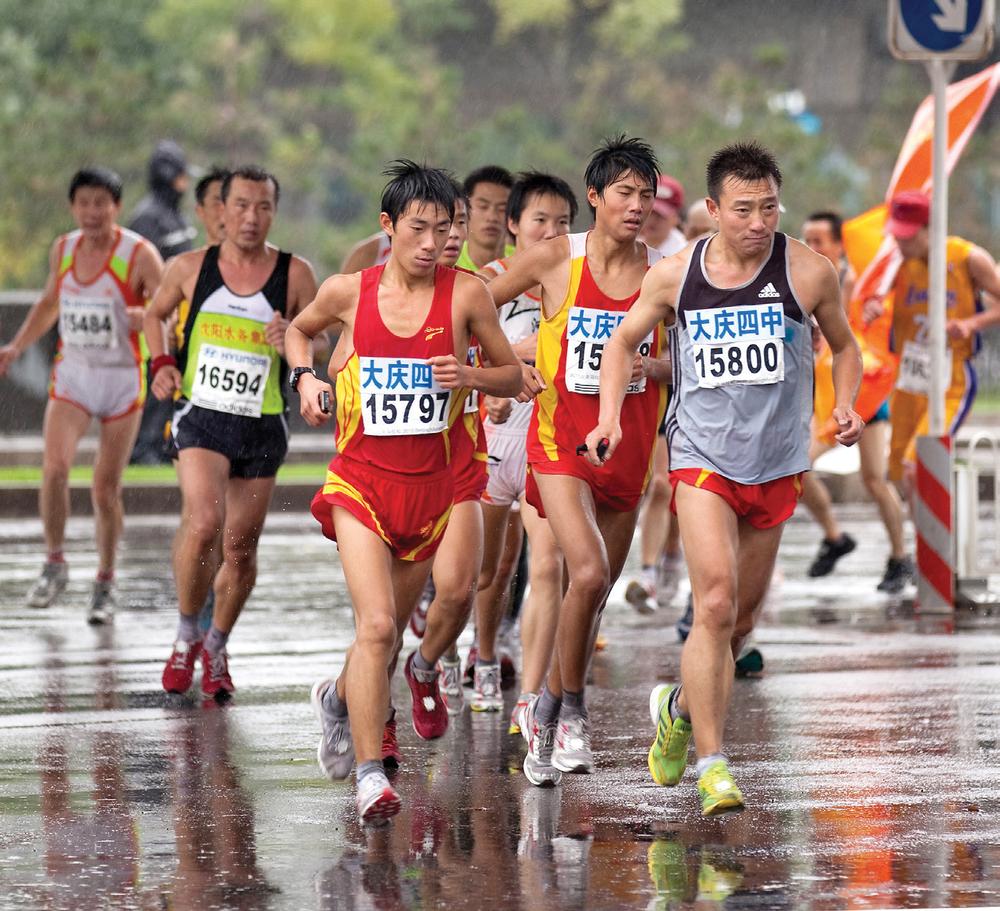
China's growing middle class is creating a demand for "sport for all" initiatives in the country
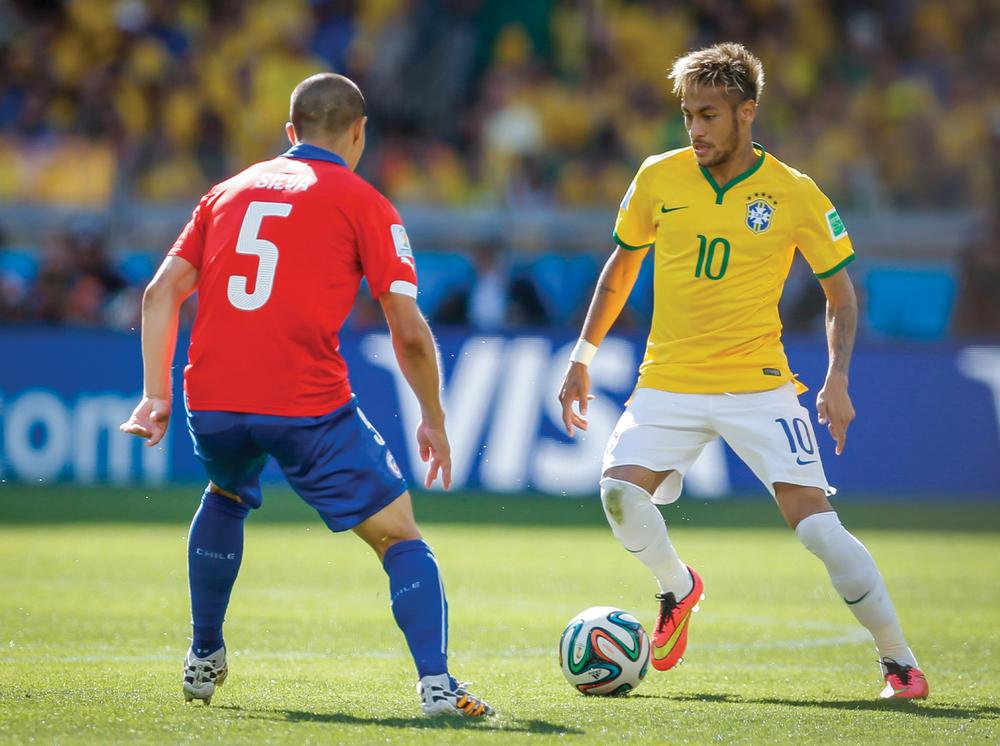
Neymar (right) carried the hopes of Brazil at this year's FIFA World Cup. The nation's poor performances were described as a 'disaster' by Brazil's media / photo: shutterstock
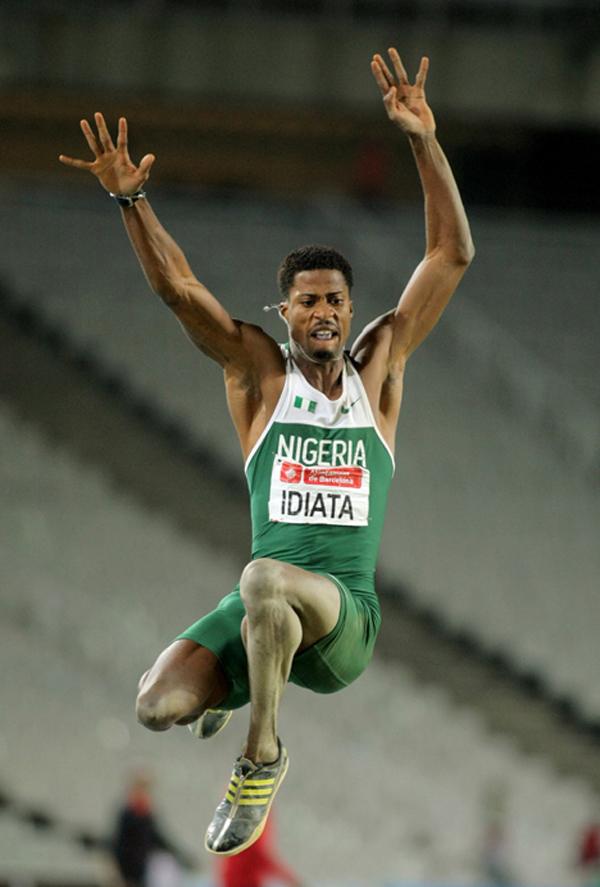
Samson Idiata of Nigeria was among the African contestants at Glasgow 2014
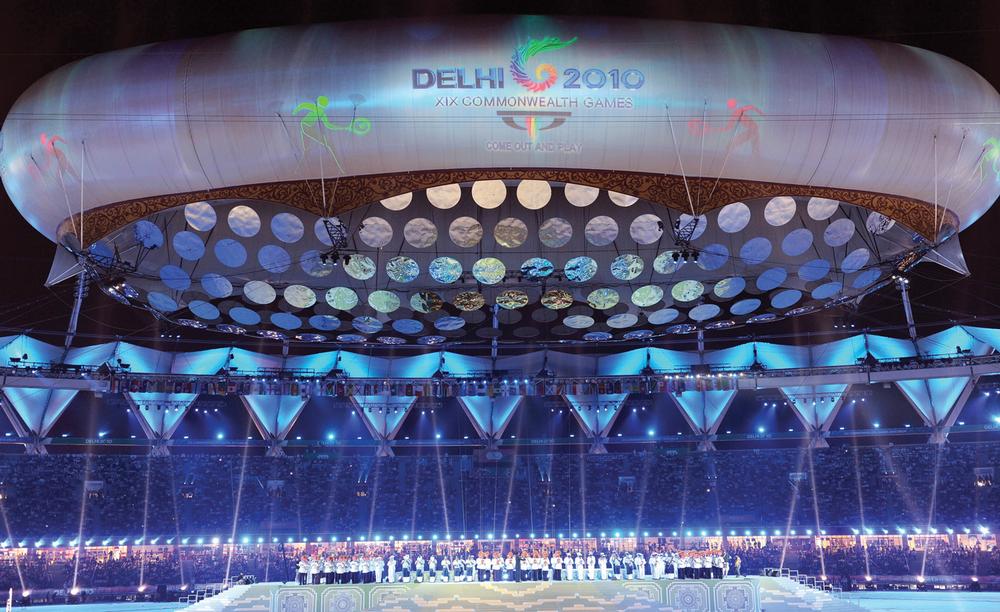
The Delhi 2010 Commonwealth Games were a success as an event, although questions remain over the legacy aspect
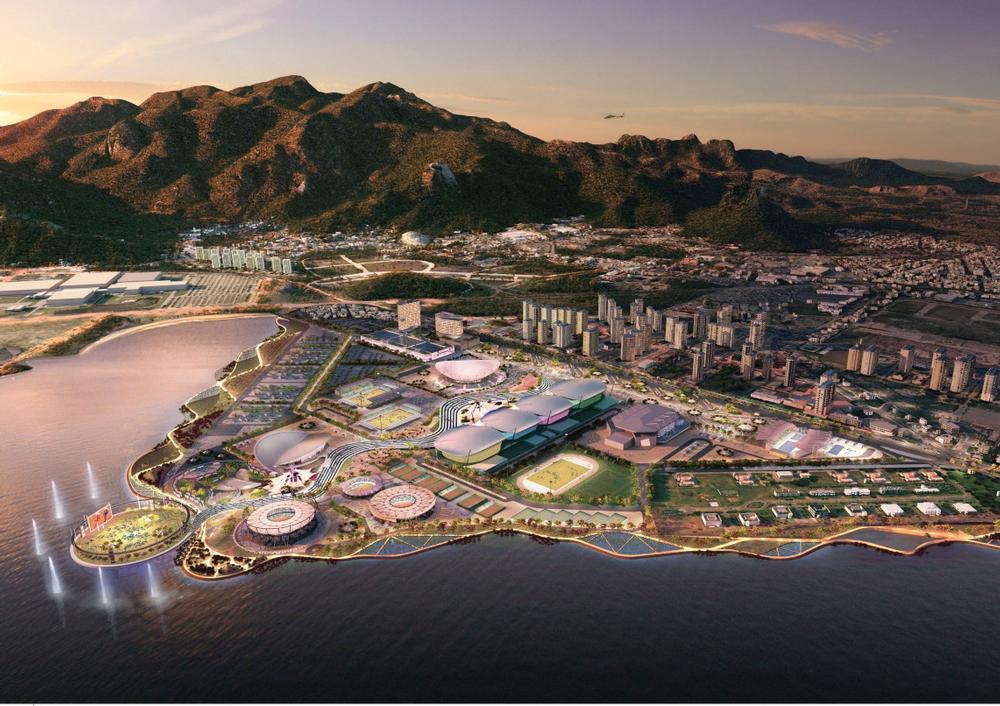
The original masterplan for the Rio 2016 Olympic Games
A recent survey by the UK Spa Association (UKSA) into the industry’s approach to cancer care
has revealed that almost half of participating respondents (46 per cent) are unaware that
cancer is a disability and guests with a cancer diagnosis must be given
Mexican operator, Solmar Hotels and Resorts, is hosting a series of events in celebration of
Global Wellness Day, including a Temazcal ceremony at its Playa Grande Resort and Spa in Los
Cabos.
Mandarin Oriental has announced a standalone residence brand, Mansions, which will debut at
Emirates Palace, Mandarin Oriental Mansions, Abu Dhabi, in 2029.
Four Seasons Resort The Nam Hai in Hoi An, Vietnam, has put together a Global Wellness Day
(GWD) agenda with activations rooted in nature and shaped by four pillars of Joy – in
alignment with the day’s theme #JoyMagenta.
The Global Wellness Summit (GWS) will celebrate its 20th anniversary at the 2026 event in
Phuket, Thailand, later this year with the theme: The Science, Art and Soul of Wellness.
Auko, an all-inclusive development, is opening in Phong Nha in Vietnam in Q3 2026, with a
series of 30 tented eco-lodges and wellness hospitality operations by Lumina Wellbeing.
Therme Manchester’s 28-acre development, which will include interconnected glass pavilions
that measure 65,000sq m, will be the largest bathing and wellbeing attraction in the world once
complete, according to prof David Russell, CEO of Therme UK.
Naples Beach Club, a Four Seasons Resort, has opened a 2,800sq m spa called The Sanctuary,
with the design and concept inspired by the Native American people that populated Florida’s
Southwest coast – the Calusa.
+ More news
COMPANY PROFILES
Robosculptor Since its
inception in 2019, roboSculptor has grown
into an advanced, AI-powered platform
that de [more...]