How we feel, what we eat and our overall lifestyle has an affect on our wellbeing, so it stands to reason that it also has a visible impact on our appearance as well. Psychodermatologists have built a profession on the belief that everyday stress is a trigger for a growing number of reactive skin conditions ranging from blushing and rosacea to acne and eczema. On p58 we delve deeper into the mind-skin connection. Meanwhile nutricosmetics, supplements which support the function and structure of the skin, is an industry in its own right: and one which is gaining much traction.
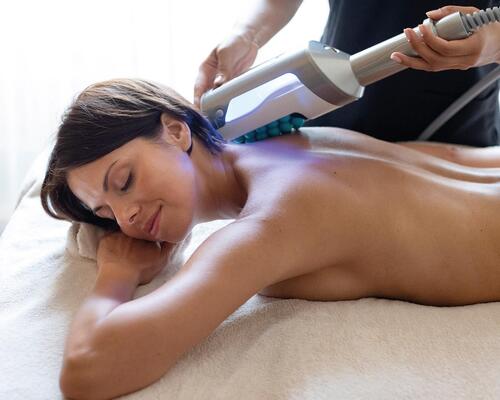
In our 2015 Spa Foresight™ report, (see SB15/3 p36), we predicted that given the growing demand for visible results, the next generation of skincare will take this into account and that treatments will be much more than the creams we put on our face or the supplements we take. We foresee a time when going for a facial will involve a specialist looking at the body as a whole, analysing lifestyle, psychological and nutritional factors and prescribing regimes which take into account these factors, as well as an appropriate treatment and skincare routine.
Product houses such as Dr NV Perricone, Comfort Zone, Gazelli and most recently Murad already offer lifestyle and nutritional advice as part of their service. But how are they rolling this out in spas and to what levels does this advice go?
The ramifications this will have for spa operations and the workforce also remain to be seen. Longer consultations will be inevitable, but is this feasible from a business point of view? Will it be necessary for therapists to be educated in psychology and nutrition? If so, how in-depth/long should training be? Who should give it and how can it be integrated into schedules, given there’s not always time for standard development and training in the first place? We ask the experts...
|
|
|