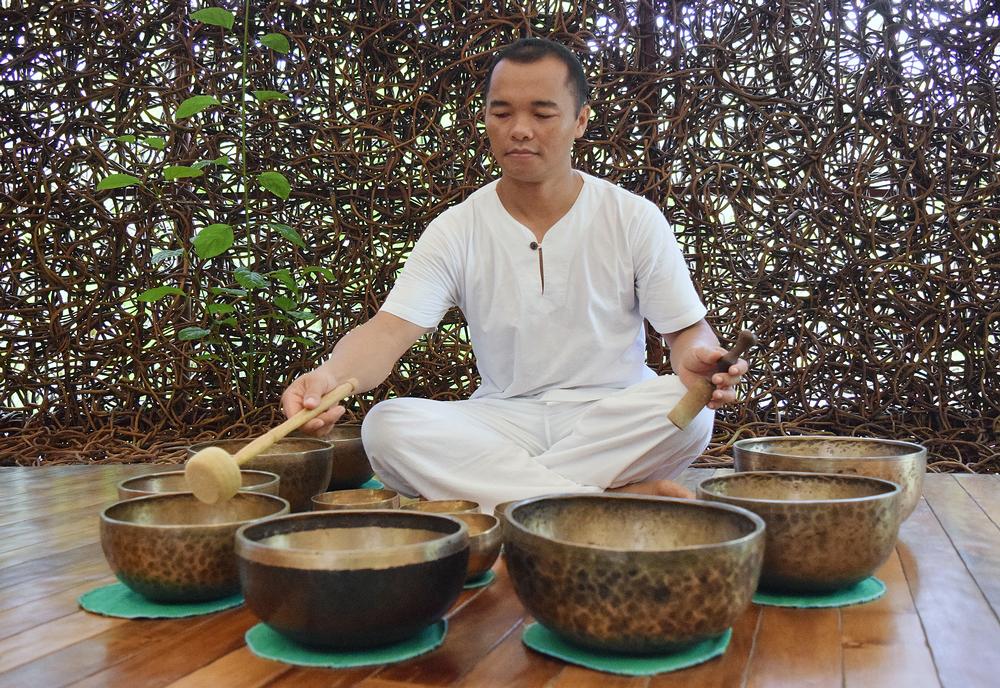
As a growing number of spas realise the importance of differentiating themselves and standing out from the crowd to attract the new wave of discerning, wellness-seeking customers, the demand for rare and specialist therapies has never been more valued. It’s no longer enough to simply offer the standard range of treatments from in-house menus.
Enter, the visiting practitioner (VP). From tailored treatments provided by global practitioners, top yoga teachers and Rolfing experts, to muay thai champions, spiritual shamans with a celebrity following and rare Tibetan therapists, these specialists are increasingly playing an integral role at some of the leading spas in the industry. Many operators are going as far as introducing a year-round calendar with sophisticated programme schedules and up to 100 active practitioners on the books. They can be hosted by individual properties like Kamalaya Koh Samui, or by international spa chains like Six Senses and Aman is one of the latest high-end names to make the jump (see p38).
However, it’s not just how these experts enhance a spa’s core offering that’s interesting – there’s a whole host of business advantages and benefits. VPs enable spas to construct a strong PR and marketing campaign, attract new guests to a brand in search of a unique experience, boost low-season occupancy and tap into the existing loyal followers, or ‘tribes’, of said experts.
So, if spas are thinking of introducing a VP programme of their own, what do they need to consider? How many specialists is a good number? How can operators manage and coordinate their programme? How do they split the costs and revenues? We ask the experts…
|
|
|