In today’s premium spa environment, every detail shapes the guest experience – right down to
the softness of towels and the freshness of linens. ... more
In the first of a two-part series looking at the evolution of ukactive, Steven Ward, the organisation’s executive director, looks at what’s changed over recent years
By Steven Ward | Published in Health Club Management 2017 issue 2
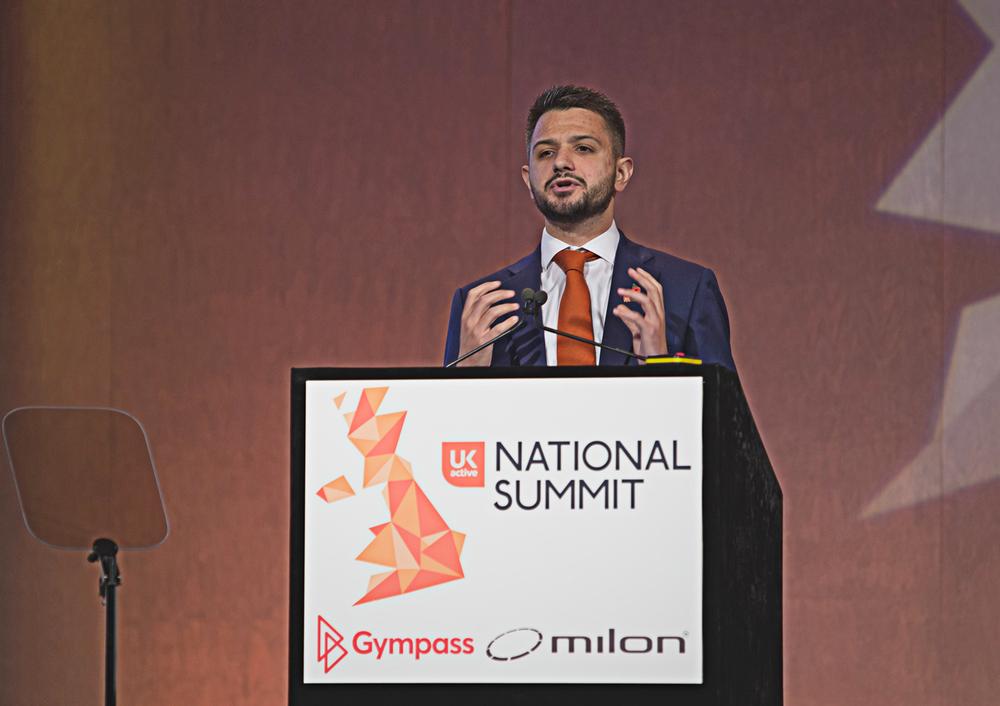
Ward says the November Summit was ukactive’s strongest event yet
You joined ukactive in 2006 as an intern and are now leading the organisation into 2017. How has the organisation changed in that time? Beyond recognition. It’s been gradual, and part of a long-term strategy, but we’re now in a totally different world. We now have over 4,000 members and partners and are able to celebrate an attrition rate of less than 6 per cent, which shows we’re doing something right in our mission to raise the value and importance of physical activity and the sector we serve.
All this means that we have a sustainable platform from which we can serve the sector, be an independent voice championing the activity cause and take our work to another level.
What does this look like on a practical level? The best example is the evolution of the ukactive National Summit, which brings together the leading figures from physical activity, health and politics to look at the role our sector has to play in improving the health of our nation.
The 2016 Summit was without doubt the strongest event we’ve ever put together in terms of calibre of attendees, keynotes and strength of the breakout sessions, and this was reflected in a record attendance of over 600 people. To have the head of NHS England Simon Stevens – who presides over a £120bn budget and commands the largest workforce in Europe – stand before us all and say: “We won’t have an NHS in the future without a fully-firing physical activity industry” shows how far we’ve come as a sector, and how we’ll play an increasingly important role in health delivery.
You say ukactive is defined by collaboration and an emphasis on getting things done. Can you tell us more about that? We will always collaborate with partners that share our mission and drive to make positive things happen. However, our biggest drive is to accelerate progress in our sector and get things done. This is the ethos inherited from Dave Stalker and Fred Turok; without their efforts, none of the work we’re doing today would be possible.
We’ve sought to continue with these principles: sometimes ruthlessly focusing on getting things done ruffles a few feathers, but it’s essential in bringing about progress. Take CIMSPA and our decision to back it exclusively over SkillsActive. It was obvious to me, and to Tanni Grey-Thompson when she took over as ukactive chair, that we would get nowhere by sitting on the fence while two lame horses led the industry in circles on the topic of workforce development.
We had to put our backing where the major employers wanted it, and that was behind the sector’s Chartered Institute, which held the potential to be one single body responsible for workforce development, from the gym floor and poolside to the boardroom.
It was a bold and risky decision, but without it CIMSPA wouldn’t have secured the backing of government and Sport England to invest in the resources needed to deliver the plan – and we’re now starting to see positive results.
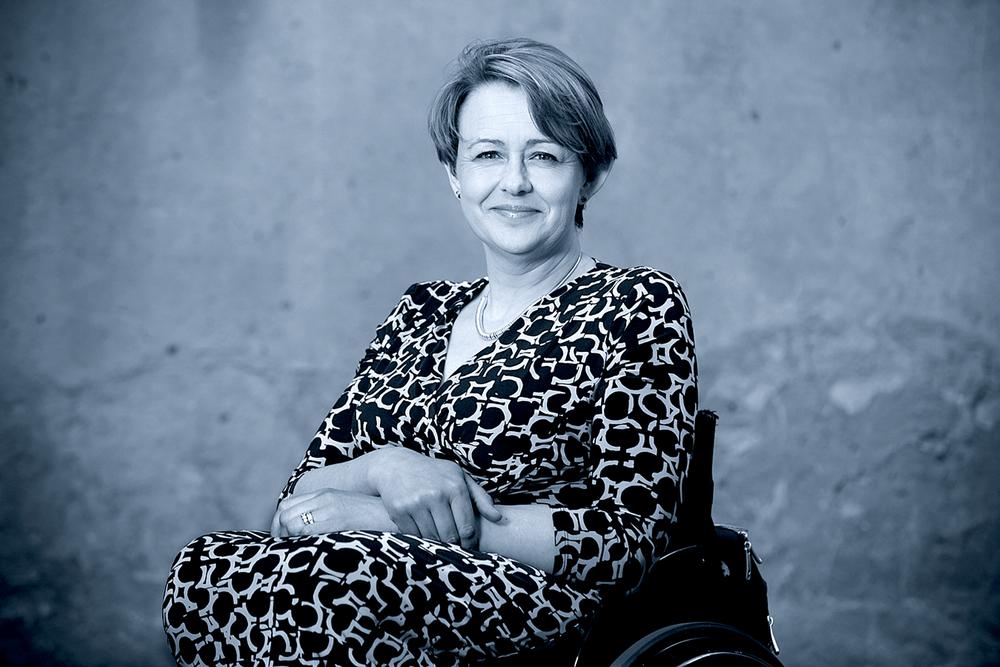
You mentioned working with Tanni Grey-Thompson. What does that partnership look like? I hope members realise how lucky we are to have Tanni leading the charge for our sector. She’s incredible. One of the most successful athletes we’ve ever seen in the UK – that tells you all you need to know about how determined she is when she sets her mind on something.
But the thing that most impresses me, and helps me the most in my role, is her judgement. Tanni is able to take the most complex challenges, weigh them up and then give the most valuable advice and guidance.
We’re focused on continuously strengthening the identity and integrity of ukactive. Tanni personifies that. She helps build bridges with stakeholders that might have fallen into disrepair, and she gets the ukactive message heard by building trust and understanding.
We would have been laughed at five years ago had we come out and said we wanted £1bn to invest in transforming every leisure centre in the country – but with Tanni as the messenger, we’re heard. We have at least a chance to have our case considered.
With the support of the team that she has around her on our main board, we have a chance to make a real impact in the years to come.
In terms of partnerships, ukactive has received criticism from some quarters for working with Coca-Cola GB. What do you say to those people? We’ve always been very open about our desire to elevate the importance of physical activity, and we’re willing to work with a range of partners across the public, private and third sectors to get more people, more active, more often.
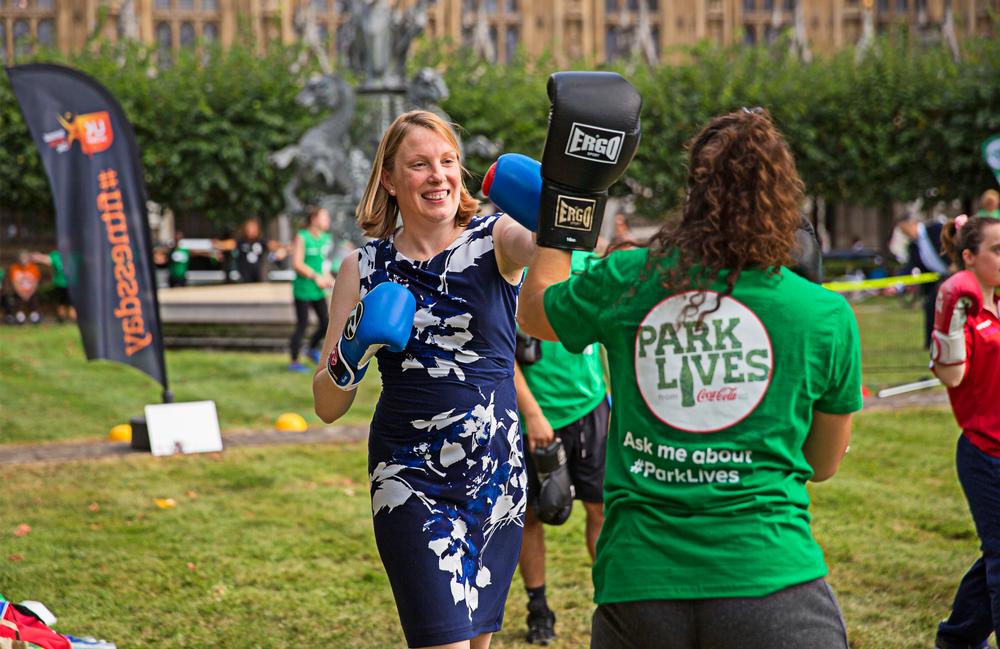
With regards to Coca-Cola GB, our partnership focused on evaluating and rolling out the ParkLives programme across 10 core cities and 35 other local authorities through the ParkLives StreetGames, offering free activity sessions in parks to disadvantaged communities. This has helped 180,000 people to lead more active, healthier lifestyles.
There’s a significant role for the private sector and the world’s largest brands to play in getting Britons moving again. The government has recognised the importance of this with its whole-hearted support of Argos sponsoring National Fitness Day, and Sport England’s new strategy also has a much greater focus on the role private companies can play in tackling physical inactivity.
Put simply, in an age of austerity, if we don’t work with the private sector, then many vital activity initiatives will cease to exist. We simply won’t get the injection of innovation we need to move the physical activity sector forward.
Tracey Crouch MP takes part in a
special parliamentary ParkLives / PHOTO: Andy Tyler Photography
Tanni Grey-Thompson: A powerful and positive force within the ukactive organisation
Longevitix, a clinical platform for preventive and longevity medicine, has launched its AI-
powered intelligence system to help physicians deliver continuous, personalised longevity-
focused care at scale.
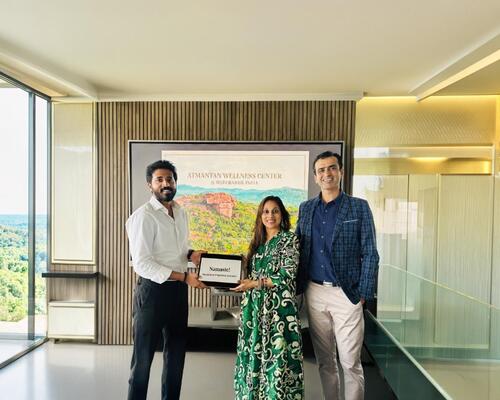
Atmantan Wellness Centre, an integrative wellness destination in Mulshi, near Pune in India, is
expanding its portfolio by adding a new centre in Hyderabad that will launch between 2028 and
2029.
A recent survey by the UK Spa Association (UKSA) into the industry’s approach to cancer care
has revealed that almost half of participating respondents (46 per cent) are unaware that
cancer is a disability and guests with a cancer diagnosis must be given
Mexican operator, Solmar Hotels and Resorts, is hosting a series of events in celebration of
Global Wellness Day, including a Temazcal ceremony at its Playa Grande Resort and Spa in Los
Cabos.
Mandarin Oriental has announced a standalone residence brand, Mansions, which will debut at
Emirates Palace, Mandarin Oriental Mansions, Abu Dhabi, in 2029.
Four Seasons Resort The Nam Hai in Hoi An, Vietnam, has put together a Global Wellness Day
(GWD) agenda with activations rooted in nature and shaped by four pillars of Joy – in
alignment with the day’s theme #JoyMagenta.
The Global Wellness Summit (GWS) will celebrate its 20th anniversary at the 2026 event in
Phuket, Thailand, later this year with the theme: The Science, Art and Soul of Wellness.
Auko, an all-inclusive development, is opening in Phong Nha in Vietnam in Q3 2026, with a
series of 30 tented eco-lodges and wellness hospitality operations by Lumina Wellbeing.
+ More news
COMPANY PROFILES
Myrtha Wellness Founded in Italy in 1961 by visionary Giorgio Colletto, Myrtha Wellness has become a global pioneer [more...]