In today’s premium spa environment, every detail shapes the guest experience – right down to
the softness of towels and the freshness of linens. ... more
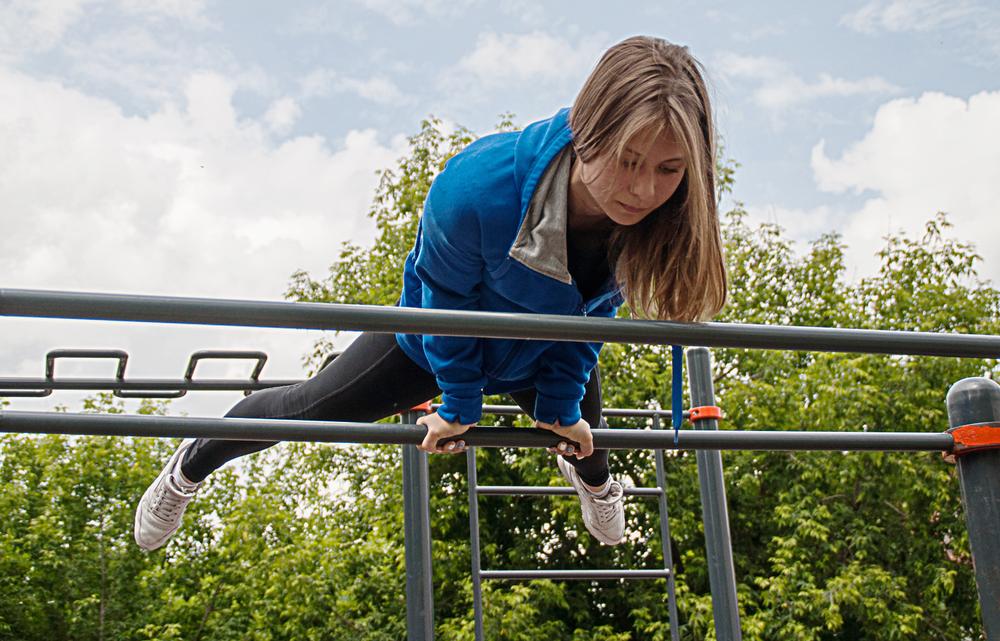
? British Gymnastics will focus on its role as a ‘foundation sport’ for kids / Evgeniia Freeman / shutterstock
The way Sport England uses National Lottery and government funding to invest in and work with national governing bodies of sport is changing. Significantly.
The days of Whole Sport Plans are over. They served a very important purpose throughout the last eight years, highlighting the need to get more people participating in sport. But Sport England is now taking a different approach, starting with the individual consumer and their behaviour.
We’re no longer looking for NGBs to be all things to everyone. We’re no longer asking them to cater to both the keen and committed regulars and the deconditioned population. We’re asking NGBs to focus on those who have a strong affinity with their sport and a habit of regular participation, including talented young athletes.
Why? Well, firstly this was a strong message that came out of the sector during our strategy consultation. Secondly, even though 35 per cent of people have a regular sporting habit, our work isn’t done with them. Life can still get in the way. Moving house, going off to college, having a baby or getting injured can take even the keenest participant away from their sport. We want to help NGBs focus their efforts on making those disruptions easy to overcome.
At the other end of the behaviour scale, we want to encourage people who are inactive to get moving. This requires some serious investment, and to fund this, we need to spend less money on those who already play sport. A reduced subsidy of governing bodies is the inevitable result.
Challenge accepted I’ve been delighted with the way NGBs have responded to the challenge so far, and the plans they’ve developed. There’s a real maturity to the plans – an understanding of what makes a regular player and that commercial income needs to play a bigger role and a genuine commitment to helping under-represented groups.
British Gymnastics, for example, clearly recognises its role as a ‘foundation sport’, teaching young people the physical skills to be competent and confident in other sports. British Tennis will spend most of its time and money in local parks rather than clubs, and will be making tennis venues more inclusive for people with disabilities.
The Rugby Football Union wants to create more ‘pitch up and play’ opportunities, especially for women. England Netball has ambitious plans for its Super League. Basketball England has great new partnerships with both the global brand that is the NBA and local community charities.
Of course, being in receipt of public money is a tremendous responsibility, and not one pound of this funding can be invested unless organisations meet the requirements of the Code for Sports Governance that we published with UK Sport last year. Again, the challenge is tough but the response has been really encouraging, with a commitment to positive change.
Time will tell how well the reality will match the ambition. But the evidence so far tells me that the sports industry believes in the direction we’re taking.
Phil Smith is the director of sport at Sport England. sportengland.org
Mandarin Oriental has announced a standalone residence brand, Mansions, which will debut at
Emirates Palace, Mandarin Oriental Mansions, Abu Dhabi, in 2029.
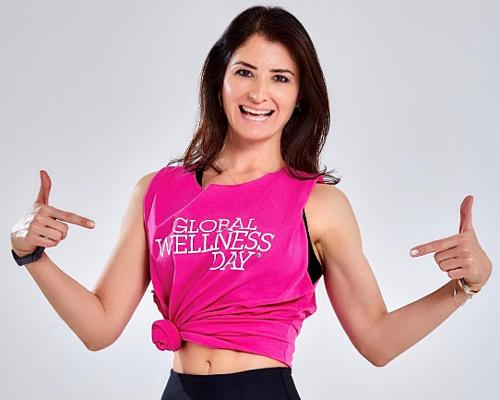
Four Seasons Resort The Nam Hai in Hoi An, Vietnam, has put together a Global Wellness Day
(GWD) agenda with activations rooted in nature and shaped by four pillars of Joy – in
alignment with the day’s theme #JoyMagenta.
The Global Wellness Summit (GWS) will celebrate its 20th anniversary at the 2026 event in
Phuket, Thailand, later this year with the theme: The Science, Art and Soul of Wellness.
Auko, an all-inclusive development, is opening in Phong Nha in Vietnam in Q3 2026, with a
series of 30 tented eco-lodges and wellness hospitality operations by Lumina Wellbeing.
Therme Manchester’s 28-acre development, which will include interconnected glass pavilions
that measure 65,000sq m, will be the largest bathing and wellbeing attraction in the world once
complete, according to prof David Russell, CEO of Therme UK.
Naples Beach Club, a Four Seasons Resort, has opened a 2,800sq m spa called The Sanctuary,
with the design and concept inspired by the Native American people that populated Florida’s
Southwest coast – the Calusa.
Swire Hotels’ luxury hospitality brand Upper House has revealed it will roll out its two-day
House of Healing retreats at its three hotels in Hong Kong, Chengdu and Shanghai.
LVMH-owned beauty house Guerlain will launch up to five spas with partners a year as part of
its plan to expand globally, according to the brand’s international spa and wellness director,
Diane Davody.
A new global study by Kevin Kelly and Peter Yesawich, called WELLSurvey 2.0, has revealed
more than half of consumers in the UK, US and Germany would not choose numerous high-
profile wellness resort brands for a future trip.
+ More news
COMPANY PROFILES
Bellezi Founded in 2009 as a Dutch family business, Bellezi brings more than 20 years of experience in treat [more...]