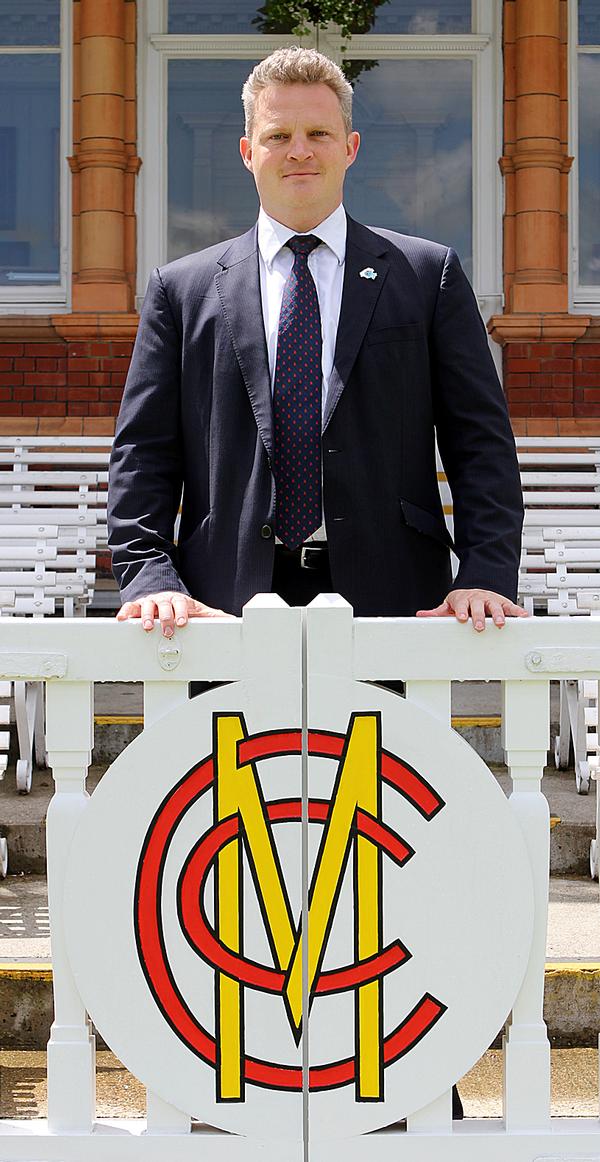
Russell Seymour was one of sport’s first dedicated sustainability managers
When governments and professional sports clubs decide to make a large investment to build a shiny brand spanking new stadium, increasingly the subject of sustainability and eco-friendliness will crop up at the planning stage. But what happens when you have a venue that is 200 years old?
Well, the age of the facilities is no obstacle to sustainability, as Marylebone Cricket Club (MCC) – the owner of legendary cricket ground Lord’s – has proven. The famous old ground in north-west London has in fact become the first British cricket venue to run on 100 per cent renewable electricity.
Add to this the fact that its new Populous-designed Warner Stand includes photovoltaic roof panels for electricity generation and a water collection and recycling system, and you can see that MCC boasts some impressive sustainability credentials.
Industry pioneer MCC also boasts one of the only dedicated sustainability managers in British sport. While a number of other UK sports clubs and national governing bodies have facility-focused executives who look after sustainability, Russell Seymour was the first person with his title in British sport when he was bestowed it in 2009. He is also the chair of the British Association of Sustainable Sport, which promotes best practice.
Seymour tells Sports Management that MCC has been “pushing the agenda forward ever since” he was appointed. “We set some sustainability targets and in 2013 we formed a sustainability policy that was designed to reduce energy use and carbon emissions, and it just developed from that,” says Seymour.
The organisation originally set the target to reduce carbon emissions by 20 per cent by 2020, but that target was smashed. Electricity use has also declined by seven per cent and gas use by 25 per cent since 2010.
Seymour – who has an academic background in the environment and ecology – explains that the Warner Stand will add weight to Lord’s already impressive track record with sustainability, adding that he wants the other parts of the ground to “at least emulate” the Warner Stand and keep on improving.
He says: “We’re just being more efficient generally. We do lots of things when we have refurbishments but we’re looking to be more proactive, for example: by replacing all light bulbs with energy efficient units.”
However, for a popular venue that regularly welcomes thousands of people, staying sustainable remains a gargantuan task, particularly during major England Test matches when the ground’s capacity of 28,000 is stretched to the limit.
“We recycle as much as we can in the office – there are no rubbish bins at desks. A huge amount of the operation happens on a non-match day,” explains Seymour.
“However, on a match day you have to deliver and it’s certainly not as easy to. It’s a lot easier to do it when there aren’t 30,000 people around. You really need cooperation on something like recycling.”
But it is a balancing act, Seymour explains. “People come to sporting events for enjoyment – they want a release from everyday life. They don’t want someone preaching at them and telling them which bin to put their rubbish in. But we also need to make sure we manage it in the most sustainable way we can – it’s cheaper to recycle than throw away general waste.”
A supportive board The England and Wales Cricket Board (ECB) has been really supportive of the MCC’s concerted effort to be sustainable, says Seymour. The governing body used its latest strategy, Cricket Unleashed, to stress the importance of being eco-friendly, particularly in light of the damage caused to grassroots cricket pitches, some of which have been flooded or severely waterlogged due to changes in weather caused by climate change.
While the ECB has made no hard and fast targets for sustainability, Seymour believes the fact that it was referenced in the strategy is the “clearest statement that any governing body has made around environmental sustainability”.
“It will take time to embed, and a couple of years for other first-class counties to really get into it, although that’s not to say that they aren’t doing stuff already.”
While Lord’s sets the tone in terms of British cricket venues, Seymour says that the nation should be proud of its stadium sustainability achievements when looking at national stadiums such as Wembley, Twickenham and the Principality Stadium in Cardiff, Wales – all of which are 100 per cent renewable.
Seymour also expresses his admiration for a number of the newer stadiums across the pond, as well as work in France and Australia.
“There are some amazing venues in the world,” he explains. “There’s the Levi’s Stadium in San Francisco and then there’s the Sacramento Kings’ Golden 1 Center, which was the first sports venue to receive a LEED Platinum rating.”
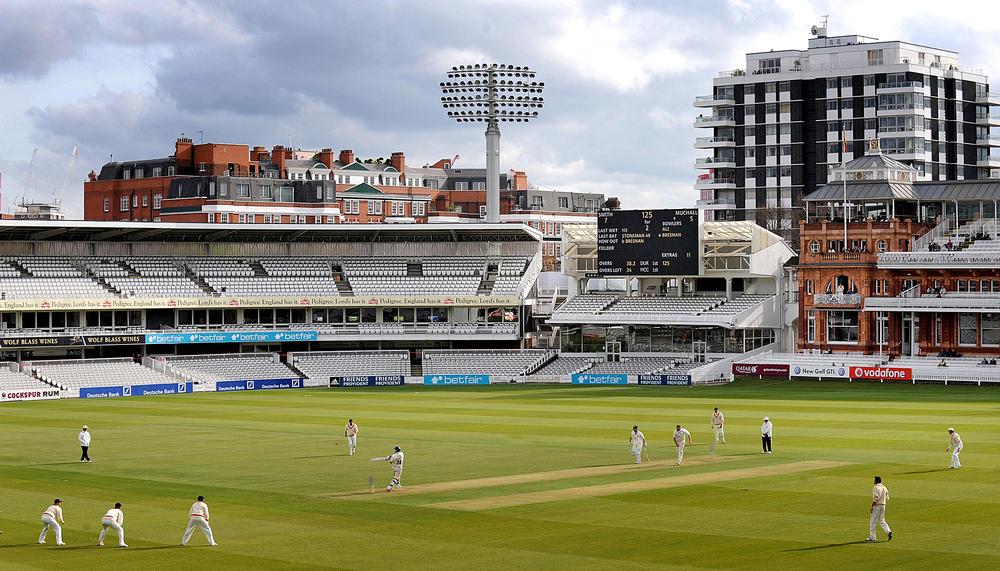
Lord’s is the first British cricket venue torun on 100 per cent renewable electricity
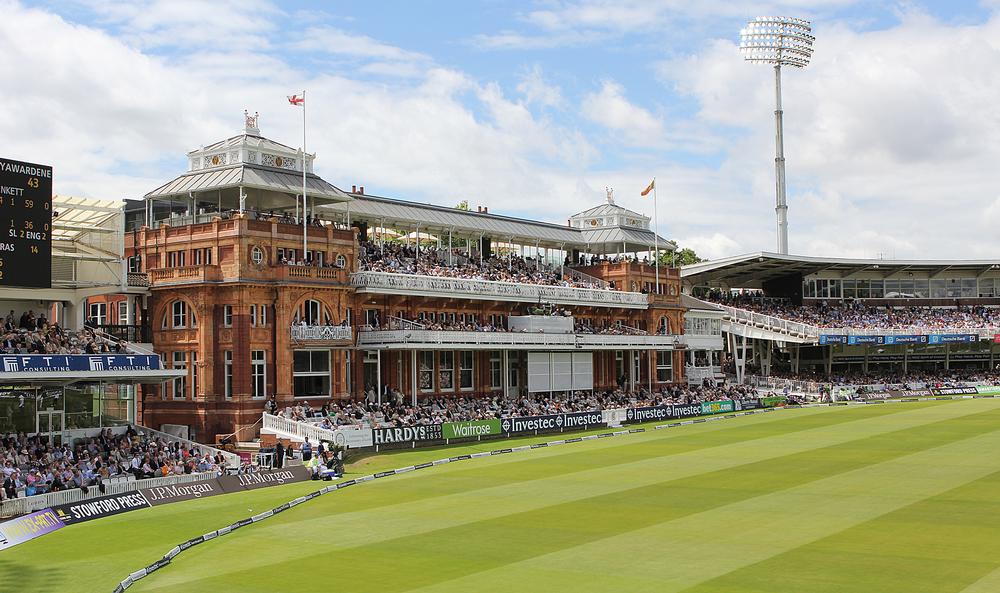
Being sustainable is harder on busy match days, but Seymour believes it is worth the effort
Four Seasons Resort The Nam Hai in Hoi An, Vietnam, has put together a Global Wellness Day
(GWD) agenda with activations rooted in nature and shaped by four pillars of Joy – in
alignment with the day’s theme #JoyMagenta.
The Global Wellness Summit (GWS) will celebrate its 20th anniversary at the 2026 event in
Phuket, Thailand, later this year with the theme: The Science, Art and Soul of Wellness.
Auko, an all-inclusive development, is opening in Phong Nha in Vietnam in Q3 2026, with a
series of 30 tented eco-lodges and wellness hospitality operations by Lumina Wellbeing.
Therme Manchester’s 28-acre development, which will include interconnected glass pavilions
that measure 65,000sq m, will be the largest bathing and wellbeing attraction in the world once
complete, according to prof David Russell, CEO of Therme UK.
Naples Beach Club, a Four Seasons Resort, has opened a 2,800sq m spa called The Sanctuary,
with the design and concept inspired by the Native American people that populated Florida’s
Southwest coast – the Calusa.
Swire Hotels’ luxury hospitality brand Upper House has revealed it will roll out its two-day
House of Healing retreats at its three hotels in Hong Kong, Chengdu and Shanghai.
LVMH-owned beauty house Guerlain will launch up to five spas with partners a year as part of
its plan to expand globally, according to the brand’s international spa and wellness director,
Diane Davody.
A new global study by Kevin Kelly and Peter Yesawich, called WELLSurvey 2.0, has revealed
more than half of consumers in the UK, US and Germany would not choose numerous high-
profile wellness resort brands for a future trip.