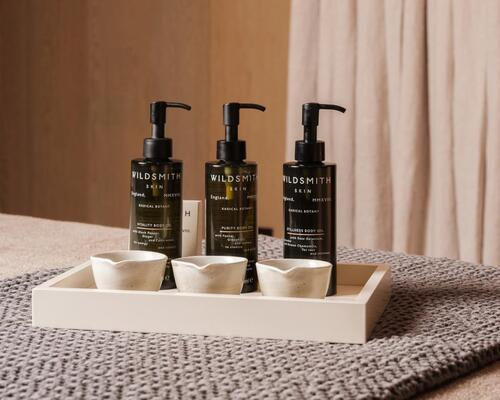
In a world where imbalance often accumulates quietly, Wildsmith unveils its newest
wellbeing innovation: Silent Loads, an approach designed to meet the needs of modern spa
guests with precision and depth. ... more
Leisure-net’s annual Health and Fitness Omnibus Survey (HAFOS)
is now in its 15th year. We talk to Leisure-net’s Mike Hill about
what’s changed, and what hasn’t, since 2002
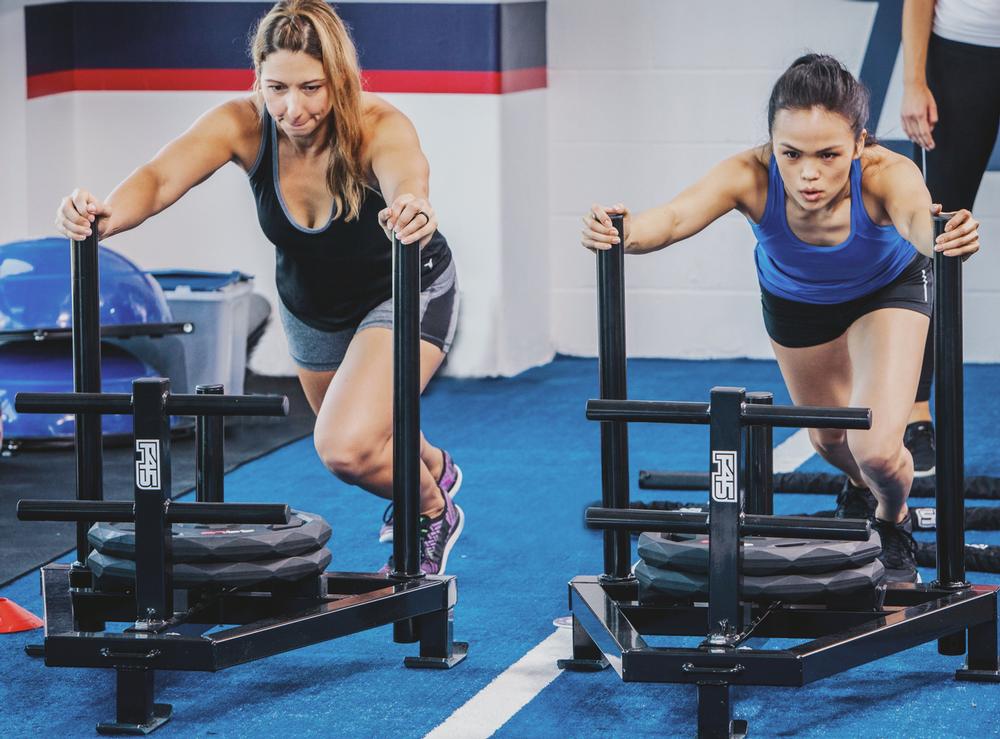
Statistics show cost is less of a barrier to being active than it once was / PHOTO COURTESY F45
The HAFOS is based on face-to-face interviews with a representative sample of the adult population of the UK – more than 18,000 adults have been interviewed for the survey since 2002.
Getting the message The message about the importance of being active seems to have been received and understood, with 91 per cent of adults now believing regular exercise/activity is important or very important; a figure that’s remained fairly static over the last five years. However, back in 2002, the year of the very first HAFOS, it sat at 83 per cent, so there’s been a significant movement in people’s understanding over the last 15 years.
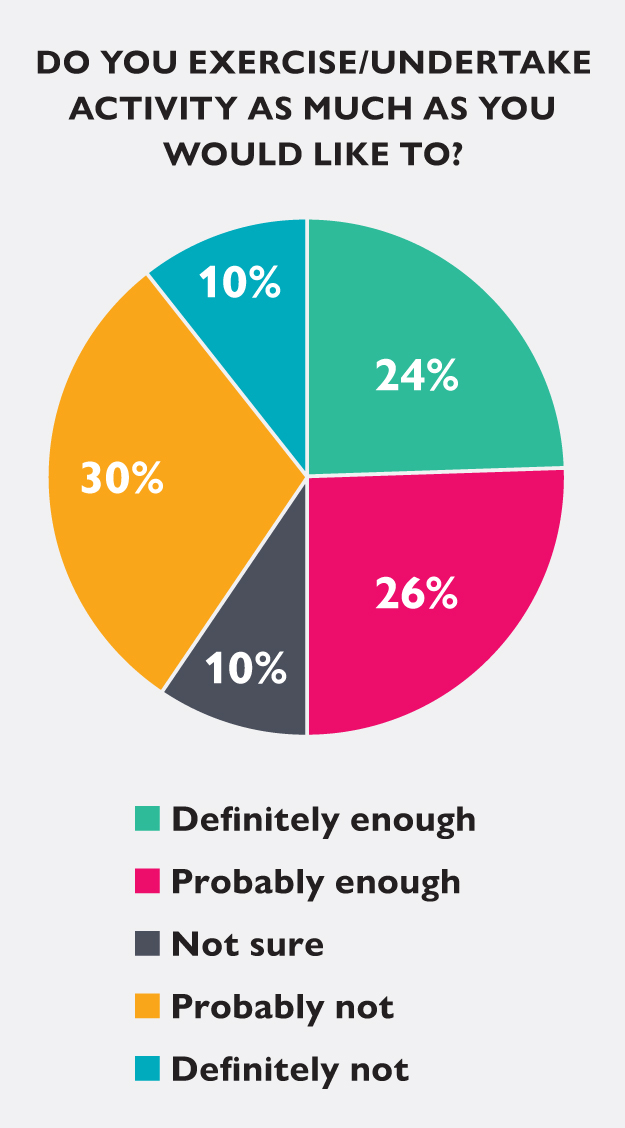
But Hill says the leisure industry must look at ways of converting this understanding into actual activity. “The potential market for activity providers still remains huge, with 40 per cent of adults recognising they probably or definitely don’t do enough,” he says.
Making the move Sport England uses a behaviour change model to drive the delivery of its Get Healthy Get Active projects. The model is based on targeting specific segments of the population who are at different stages in their thought process when it comes to becoming more active. The idea is to focus on people who are in the ‘contemplative’ stage, because Sport England has found that time and money spent getting these people active is the most efficient use of resources.
To help operators understand who these people are, Leisure-net has started including this question in all community research and its first year figures make interesting reading.
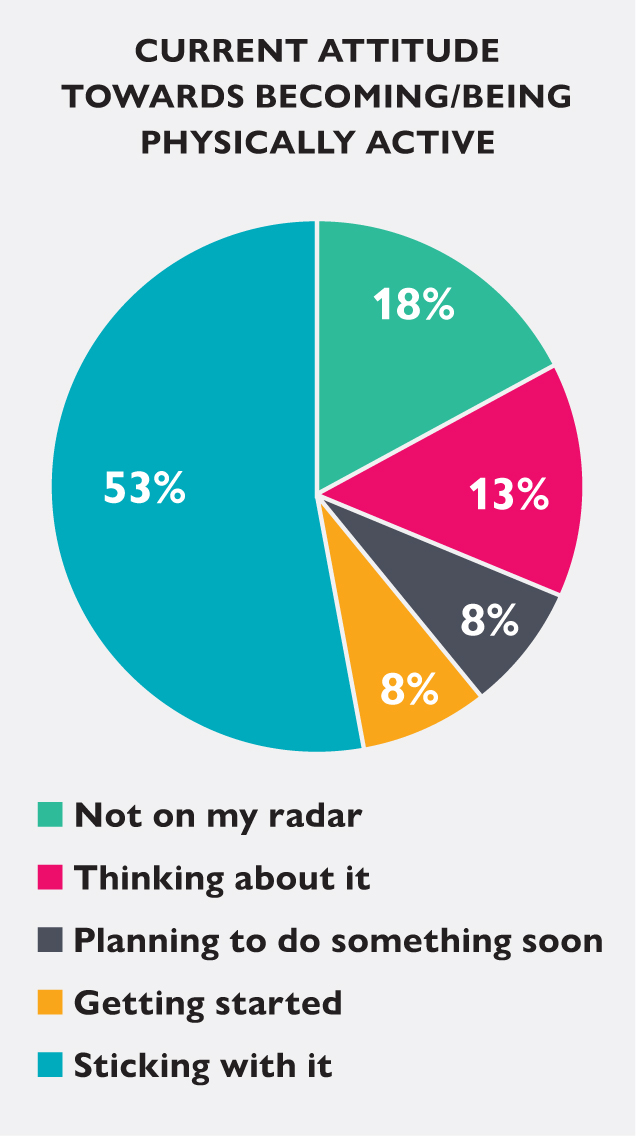
Hill reports that only 18 per cent of adults state that becoming more active is not even on their radar, 13 per cent say they are thinking about it, 8 per cent say they are ‘planning’ and a further 8 per cent claim they are getting started.
He says: “While it appears that 16 per cent of the population is a small target for the industry to be focusing on, just a slight shift in moving these people into the ‘sticking with it’ group at a good level of activity would make a big difference nationally.
“Likewise for our sector, if just 1 or 2 per cent of these people became regular users/members it would represent a huge uplift in membership/usage.
“But it’s both interesting and worrying that 53 per cent of adults already believe they’re in the ‘sticking with it’ stage, as this group probably feel they’re doing enough physical activity already, whereas the evidence suggests they’re not.
“Thinking back to the previous question about whether people would like to do more, we know that this stands at 50 per cent (down 7 per cent from its all-time high of 57 per cent in 2014 and 54 per cent in 2002), this may well be because they believe they are already being more active.
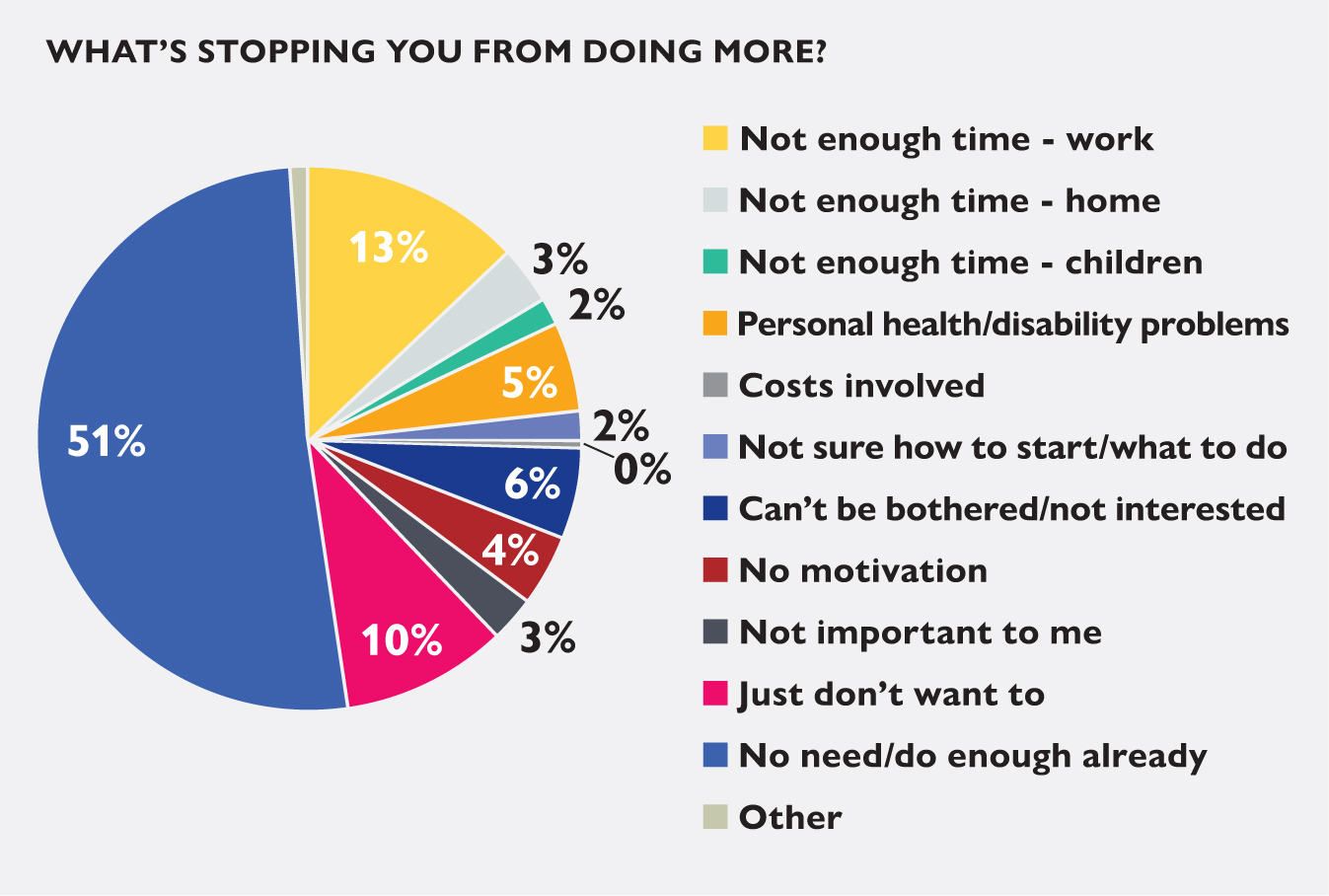
“Equally, of those people who don’t want to do more activity, 51 per cent state they have no need because they do enough already, once again reinforcing the argument that one of our toughest challenges is getting people to understand they’re probably not doing enough exercise to get maximum health benefits.”
HAFOS 2018 also revealed that, in terms of quantity of exercise, 77 per cent of adults state they are participating in 30 minutes of moderately intense activity at least once a week; the highest figure for four years, while 41 per cent claim to be undertaking the recommended guidelines of at least 150 minutes of moderate intensity activity or 75 minutes of vigorous intensity activity in a ‘normal’ week.
“This question of quality is a relative one for HAFOS,” says Hill. “One of the challenges of trying to track long-term changes in activity levels is that the government’s recommendations keep changing in the light of new research about what they should be and how they should be measured.
“But these self-reported activity levels are quite high and continue to suggest over-reporting when asking people to reflect back on what physical activity they think they’ve done.
Past studies have indicated that subjects were moderately accurate in recalling their physical activity levels, but underestimated sedentary activities and overestimated aerobic exercise. Males also overestimated their activity relative to females, and obese subjects underestimated their activity levels compared to normal-weight subjects.”
In terms of their likelihood to become more active, only 4 per cent of adults stated they are quite or very likely to increase their activity levels in the near future, a level significantly lower than four and five years ago, when the all-time high was 33 per cent.
In fact, 25 per cent said it is very unlikely that they will become more active. “Some of the messages from HAFOS need careful analysis,” says Hill, “But it’s clear at least 35 per cent of people are regularly failing to meet the recommended levels of activity and the chances are the real figure is a lot higher.”
In vogue According to HAFOS, the most common form of physical activity is recreational walking, with 54 per cent of adults stating this is how they exercise; however, this is significantly less than five years ago, when it stood at 71 per cent. Walking is followed in popularity by “using a health club or leisure centre” at 32 per cent and “jogging/running” at 17 per cent, suggesting, perhaps, that people are replacing walking with more structured activities such as the gym, group exercise classes and outdoor challenges.
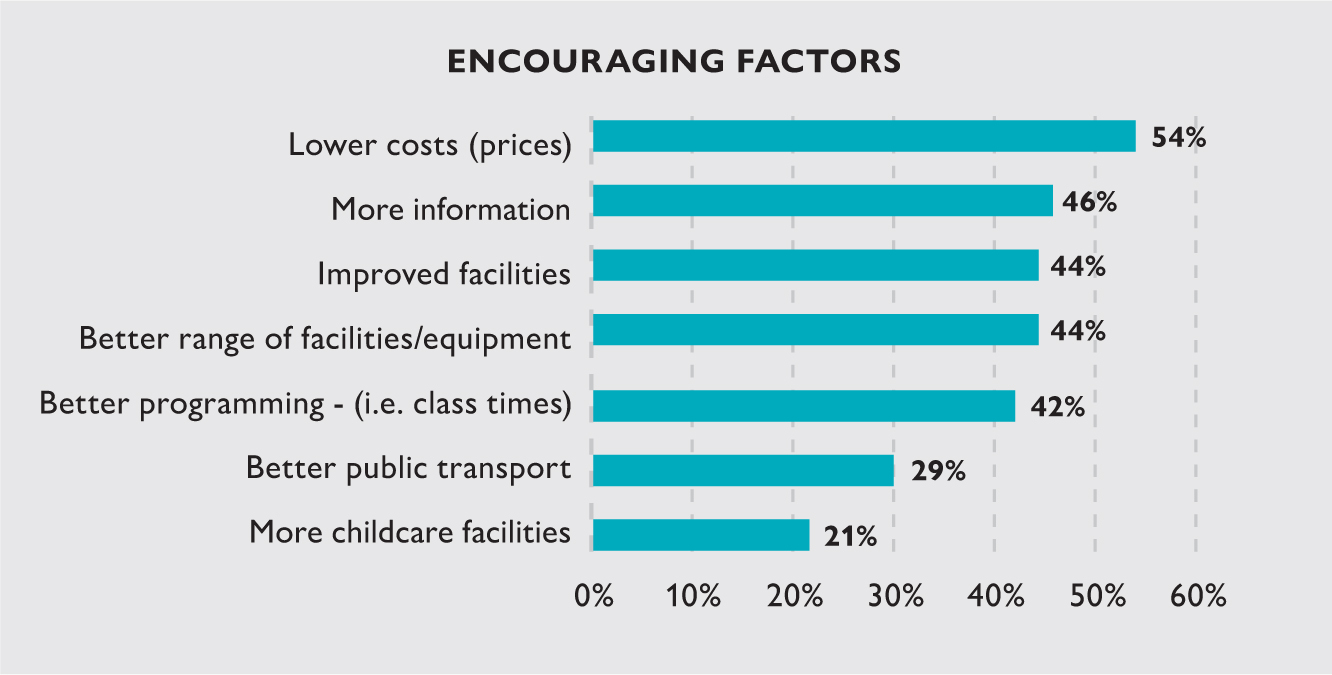
The key factors for encouraging the use of health clubs and leisure centres were quoted by potential users as lower prices (54 per cent), followed by more information (46 per cent) and improved facilities (44 per cent).
It’s interesting that price, as an encouragement factor, is less important than 15 years ago, when 63 per cent of adults stated that it was the most important encouragement factor for using centres/clubs.
Hill expands: “Price always comes up as one of the biggest motivators for encouraging use. However, most of the experiments with free or heavily discounted offerings in our sector have not increased participation in the long term, so it’s a much more complicated scenario than just reducing prices.
“One could argue that operators have never been better at getting information out to their communities in an easy to understand format, both on- and offline, with their use of social media steadily improving, yet still people say they want more information. Again I believe that this comes down much more to needing motivation and support, rather than pure information about times, prices and programmes.”
Motivation to move The most common motivation for being physically active is to improve/maintain health at 50 per cent, followed by improving/maintaining body tone at 20 per cent and maintaining/losing weight at 15 per cent; motivations that have barely changed in 15 years.
“It is really important for operators to recognise the importance of weight loss/body shape in terms of motivation for people to be more active,” says Hill. “Sometimes this primary motivation is hidden and people come up with other, more general reasons, but losing weight or improving body shape is quite often the key underlying motivation. Operators should look to tap into this via marketing messages, selling approaches and programming/support in the gym.”
Barriers to exercise Just as motivations haven’t changed, neither have barriers for those who state they want to be more active, with the most prevalent reason, ‘not enough time due to work related pressures’, at an all-time high of 45 per cent, dwarfing lack of time - home pressures at just 13 per cent. Costs were a deterrent to 10 per cent and health/disability issues to 9 per cent.
“This compares to 37 per cent in 2014, indicating the growing pressures that people are feeling in their everyday lives,” continues Hill.
“Working days are getting longer and the separation between home and work is becoming more blurred, with people working flexi hours and home-working.”
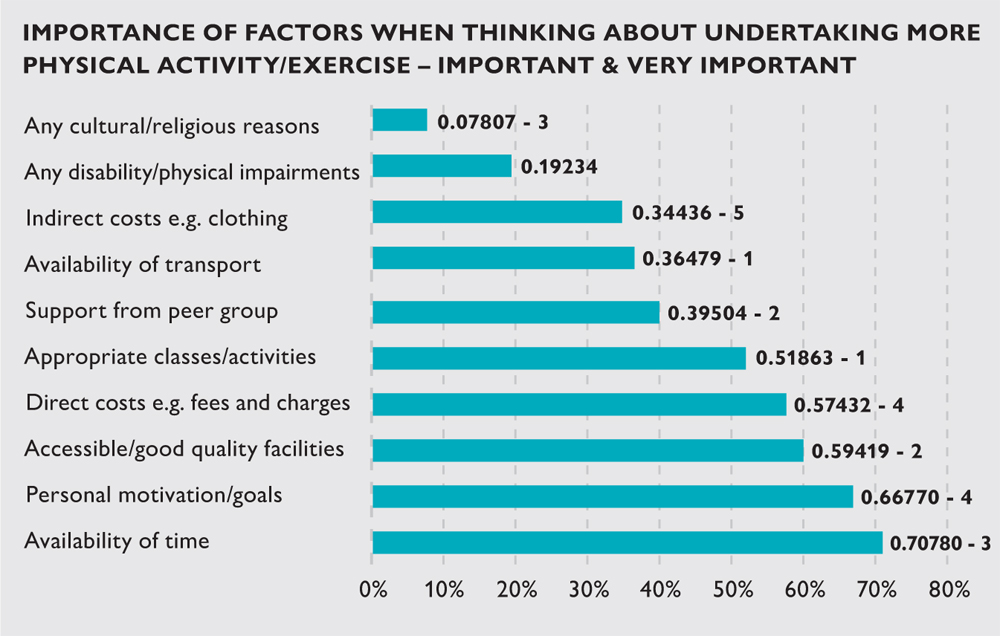
Unsurprisingly, when asked about the relative importance of factors when thinking about undertaking more activity/exercise, availability of time was rated the most important at 71 per cent, followed by personal motivation/goals at 67 per cent and accessible/good quality facilities at 59 per cent.
With changes to the government’s and Sport England’s physical activity and sport strategy starting to be implemented and take effect, it will be interesting to see how the next few years of HAFOS change and reflect this.
Mike Hill
"While it appears that 16 per cent of the population is a small target for the industry to be focusing on, just a slight shift in moving these people into the ‘sticking with it’ group at a good level of activity would make a big difference nationally" - Mike Hill
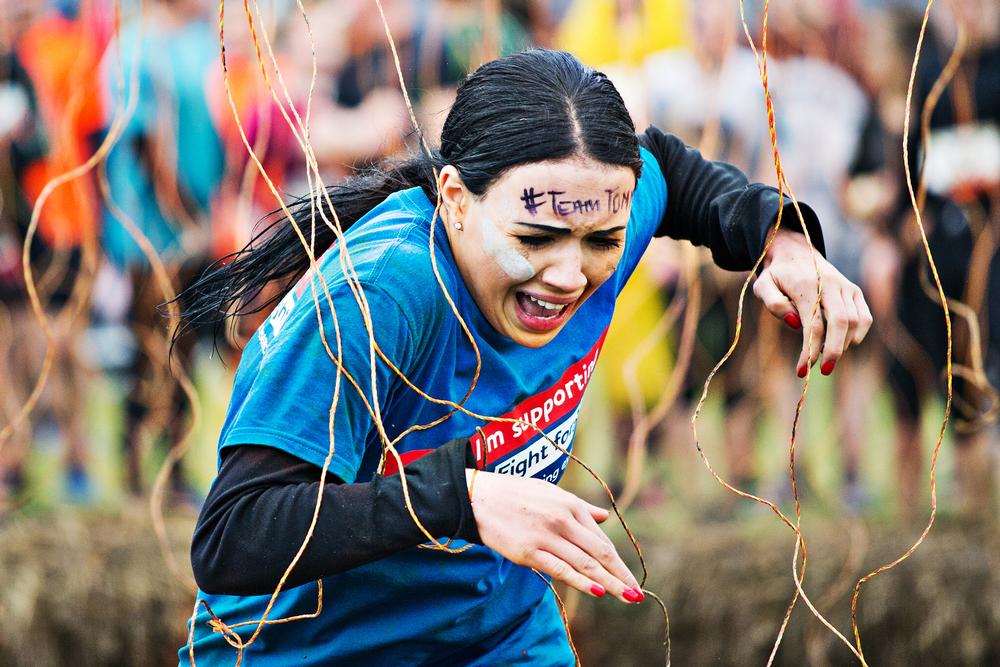
There are increases in the number of people tackling outdoor challenges / PHOTO: KIRSTEN HOLST
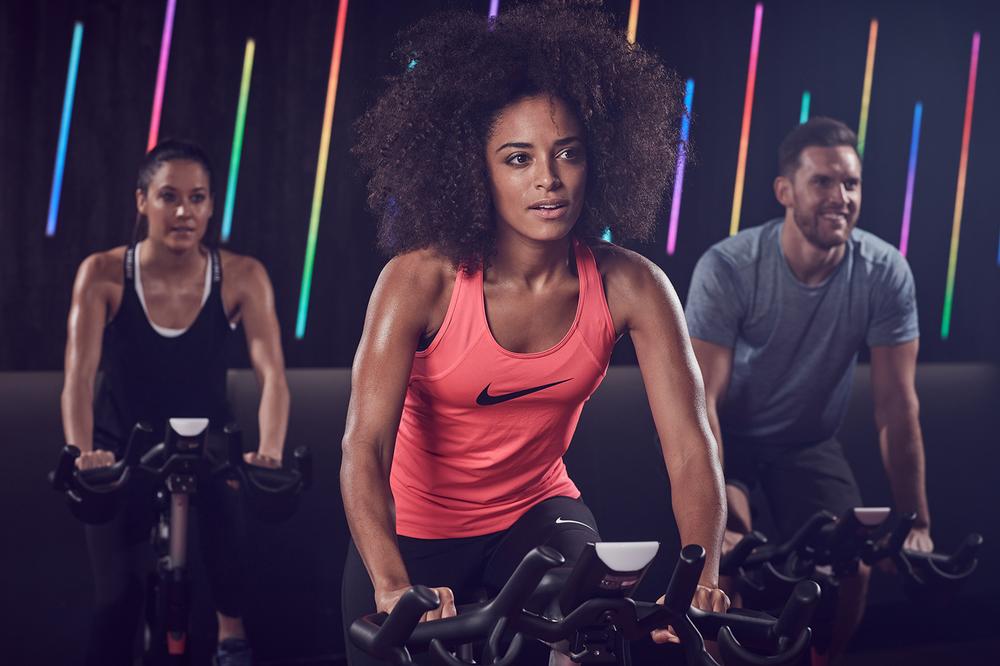
Around 20 per cent are motivated by maintaining or improving body tone / PHOTO coutesy of DW FITNESS FIRST
A recent survey by the UK Spa Association (UKSA) into the industry’s approach to cancer care
has revealed that almost half of participating respondents (46 per cent) are unaware that
cancer is a disability and guests with a cancer diagnosis must be given
Mexican operator, Solmar Hotels and Resorts, is hosting a series of events in celebration of
Global Wellness Day, including a Temazcal ceremony at its Playa Grande Resort and Spa in Los
Cabos.
Mandarin Oriental has announced a standalone residence brand, Mansions, which will debut at
Emirates Palace, Mandarin Oriental Mansions, Abu Dhabi, in 2029.
Four Seasons Resort The Nam Hai in Hoi An, Vietnam, has put together a Global Wellness Day
(GWD) agenda with activations rooted in nature and shaped by four pillars of Joy – in
alignment with the day’s theme #JoyMagenta.
The Global Wellness Summit (GWS) will celebrate its 20th anniversary at the 2026 event in
Phuket, Thailand, later this year with the theme: The Science, Art and Soul of Wellness.
Auko, an all-inclusive development, is opening in Phong Nha in Vietnam in Q3 2026, with a
series of 30 tented eco-lodges and wellness hospitality operations by Lumina Wellbeing.
Therme Manchester’s 28-acre development, which will include interconnected glass pavilions
that measure 65,000sq m, will be the largest bathing and wellbeing attraction in the world once
complete, according to prof David Russell, CEO of Therme UK.
Naples Beach Club, a Four Seasons Resort, has opened a 2,800sq m spa called The Sanctuary,
with the design and concept inspired by the Native American people that populated Florida’s
Southwest coast – the Calusa.
+ More news
COMPANY PROFILES
The Wellness Founded in 2007, headquartered in Dubai and based in Hong Kong and Singapore, The Wellness is an int [more...]