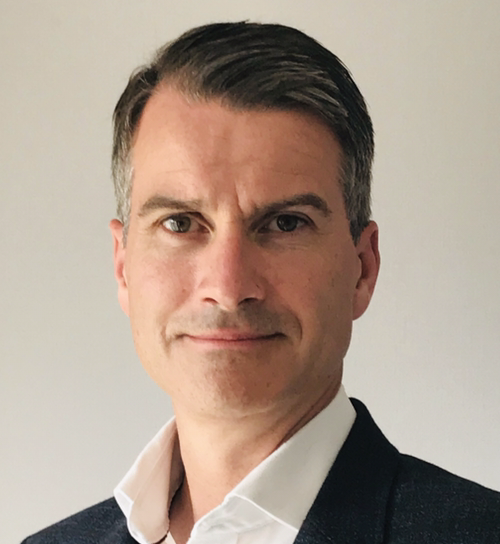
Elizabeth Merritt, vice president of strategic foresight and founding director for the Center for the Future of Museums speaks about the report and what it could mean for the culture sector.
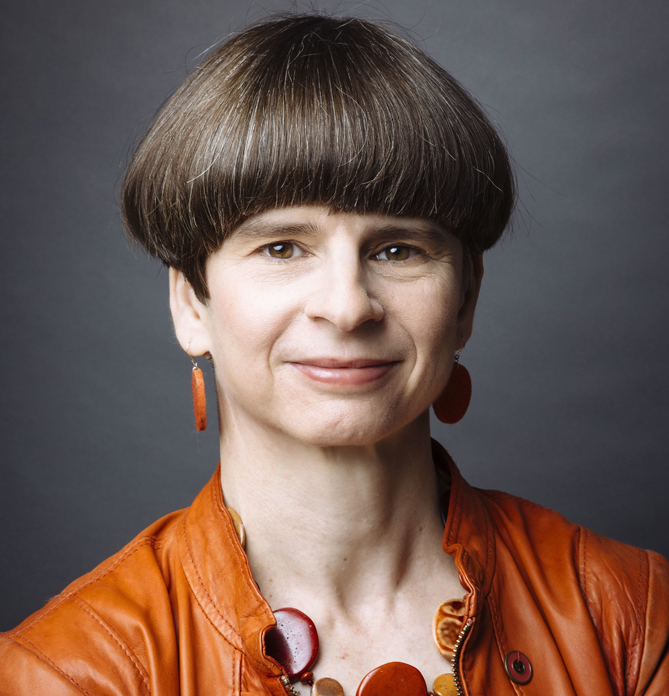
Elizabeth Merritt is the report’s author
How can museums retain trust in an era of fake news?
Trust is rooted in accountability, and museums can foster trust by being transparent about their own operations. Some people are vaguely aware that there are directors and curators in a museum, but most people don’t know who decides what a museum collects, and how it is interpreted. More museums are beginning to abandon the anonymous voice of authority, and to identify whose voice is reflected in the label copy.
If trust has been lost how can it be rebuilt?
If an institution or an individual has lost the public’s trust because they made a mistake, I think the first step is to take full responsibility. If they are simply wrong on a matter of fact, correct it! Don’t say “we’ll fix that when the exhibit is renovated in ten years.” If a museum has acted in a way that damages a community, it can apologise, and ask what it can do to make amends.
How are museums currently viewed in terms of trust?
Museums are one of the most trusted sources of information, in a time when trust in government, journalism, academia and business is in rapid decline. Libraries are highly trusted too. The public recognises the work of museums and libraries is, at heart, helping them learn for themselves.
What applications does blockchain have for museums that haven’t used it yet?
I’m intrigued by the potential applications for blockchain-based smart contracts. A museum could collect micropayments when someone downloads or shares a digital derivation of works from the collection. Or an artist whose work is displayed in a museum might receive fees based on a museum’s visitation numbers.
How will blockchain affect issues such as war relics, colonial-era artefacts and trafficked/stolen property?
If we develop resilient, tamper-proof ways to link artefacts to digital records, that could make it easier for museums and law enforcement to proactively identify stolen material. A global, publicly accessible ledger of artefacts could make it easier to identify stolen or trafficked property.
How do museums confront historic wrongs when it could mean losing parts of their own collections telling this story?
I’d rather not think of it as “losing their collections,” but as “playing a key role in restitution.” It’s important for museums to document and share difficult stories about injustice, but not in a way that itself perpetuates historic wrongs.
"It’s important for museums to document and share difficult stories about injustice, but not in a way that itself perpetuates historic wrongs"
How does a museum, intrinsically colonial at its core, address the issue of colonialism?
Confronting their own past is a good place to start. Any institution, if it survives long enough, accumulates problematic episodes in its history, some more than others. Owning up to that history can be painful and difficult, but it is a first step towards de-colonising the future.
How can a museum better support its indigenous communities?
That’s exactly the question the museum should be asking the indigenous communities it serves. Better yet, go beyond asking for input, and actually share the power to make decisions about how the museum operates. That could be through advisory councils or by recruiting significant indigenous representation to the board of trustees.
What is a museum’s responsibility to its community and homelessness?
I think all museums should be aware of issues that are important to their communities, and in many, many communities in America homelessness and housing insecurity is a significant challenge. What a particular museum can do to help address that issue will depend on its mission, resources and circumstances. Many museums are playing a role in educating the public about the facts of homelessness, fostering awareness and empathy.
How can a museum serve its homeless population?
That would be a very good question for any museum’s board to consider. At the least, any museum can have a thoughtful policy about how to welcome all visitors (including people who might be experiencing homelessness) and make them feel welcome. If a museum has a significant number of people without shelter in their neighbourhood or on their grounds, why not partner with other organisations to help connect these people with essential services?
How can museums keep their workforce happy?
I think that answer is the same for museums as for any other organisation: give people the chance to do meaningful work, as much control over their working environment as possible. Treat employees with respect, recognise them as individuals, and be flexible in creating an environment that supports them in doing their best work.
What’s the best balance for staff in terms of work and life?
I think that is for every one of us to figure out individually – and it will probably change as a person moves through life.
Where are museums succeeding right now?
I think museums collectively are doing a splendid job of questioning the received wisdom about “what a museum does.” The more museums experiment around the edges, the more new ways we discover for museums to become essential assets for their communities.
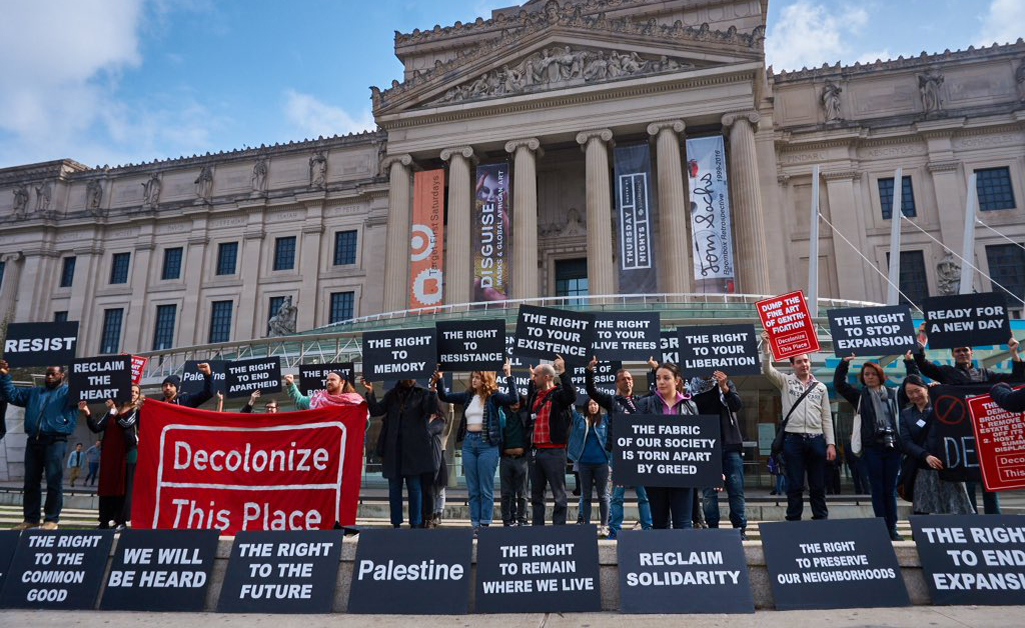
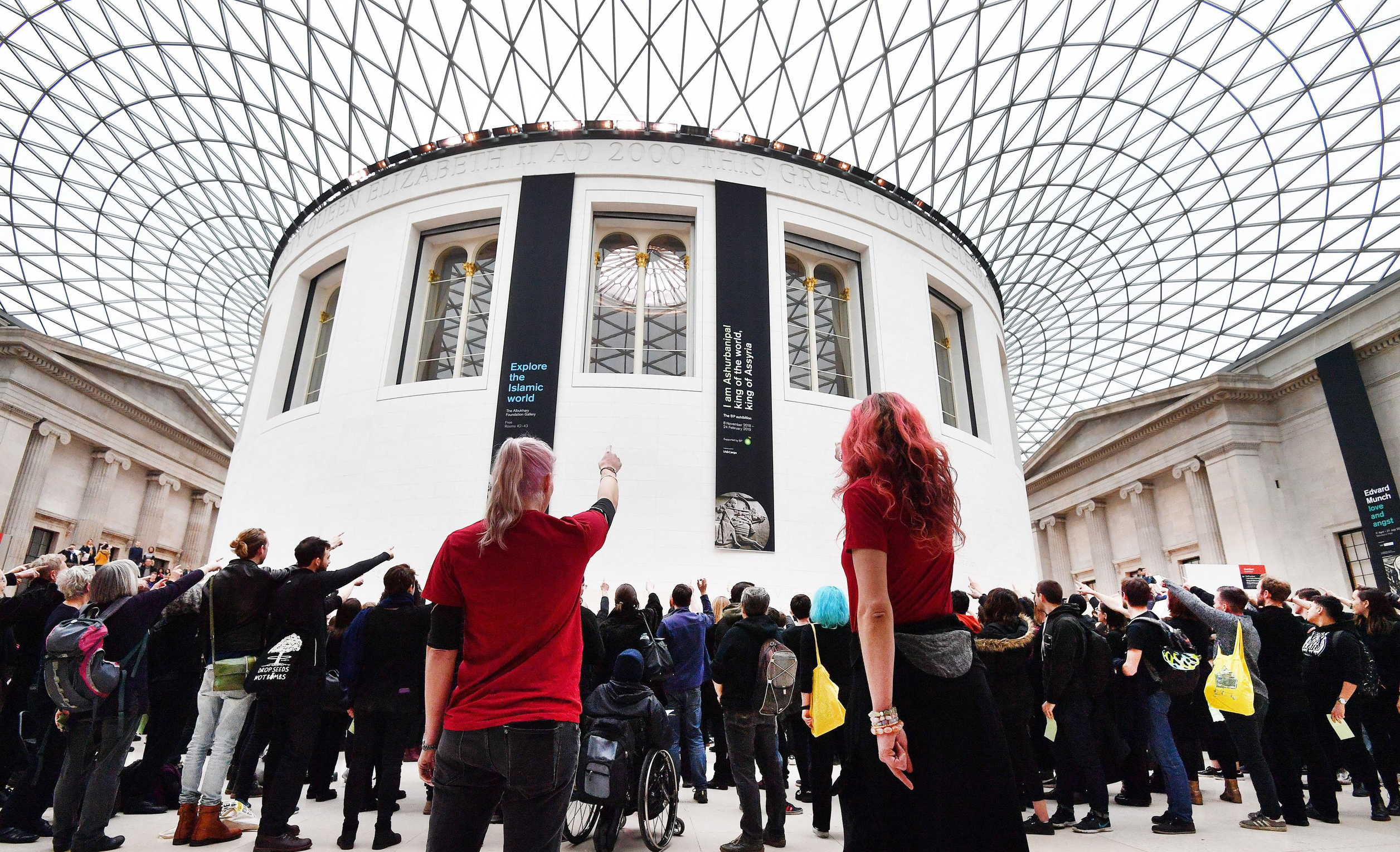
Colonialisation and the rise of fake news are currently hot button topics in the world of museums
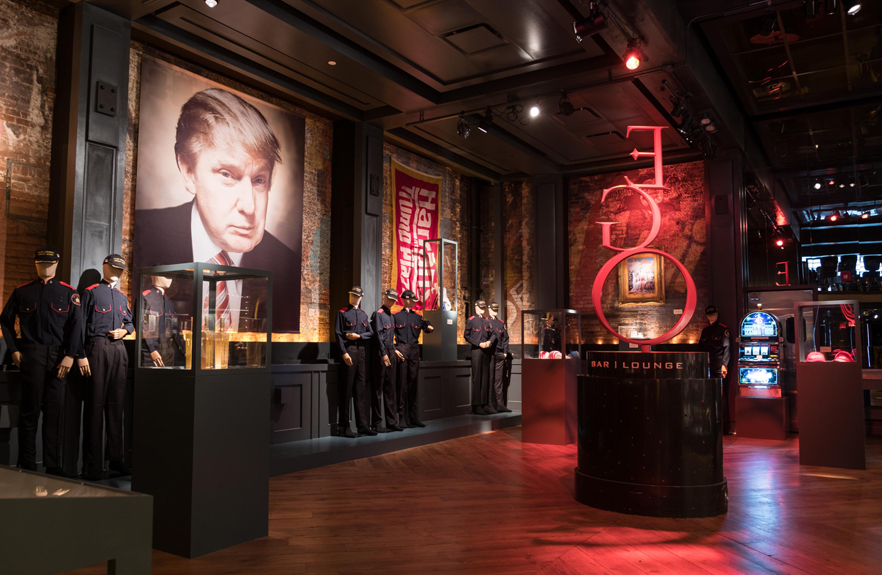
Colonialisation and the rise of fake news are currently hot button topics in the world of museums
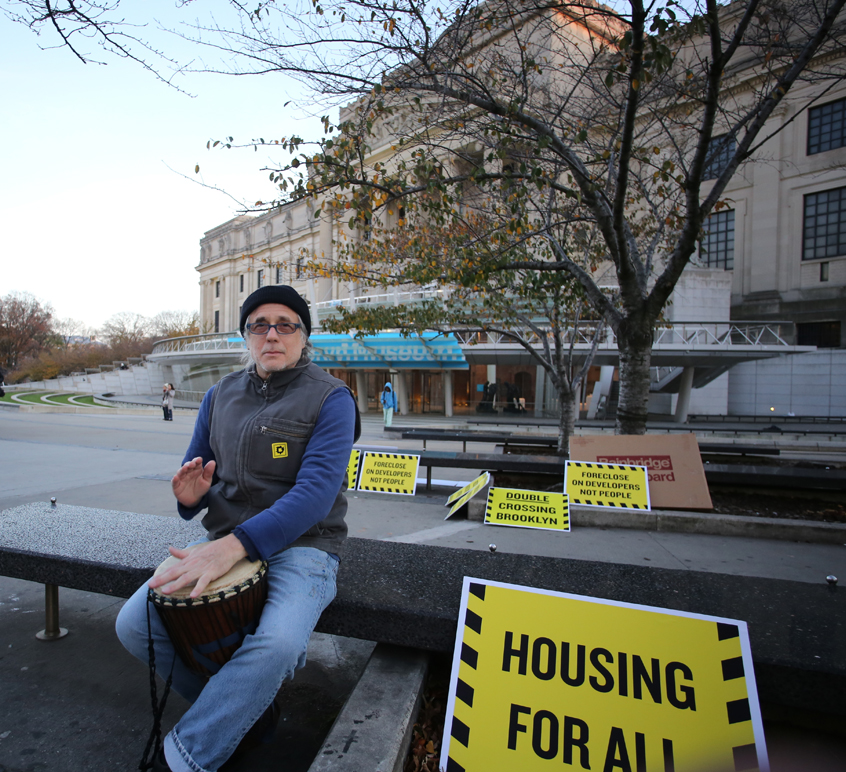
Merrit says museums could do more to serve its homeless population through outreach and programming