Emma Alesworth
Fifteen per cent of carbon in the UK comes from cars and we travel more for leisure than anything else – 21 per cent of all distance travelled. So visitor attractions need to start taking responsibility for the carbon footprint from visitors coming by cars powered by fossil fuels, by making it easier to use public transport, or electric cars, as well as investing in carbon offsetting.
By providing multiple charging points, there’s an opportunity for attractions to benefit from installing trickle charging units, so visitors stay longer, as well as adding donation buttons.
A number of Eco Attractions’ members are now successfully working with Good Journey to promote car free journeys to visitor attractions, including Wildwood Trust in Kent, UK. Blenheim Palace increased the number of car free visits from 5,000 to more than 24,000 in one year, through offering a 30 per cent discount on the ticket price and door to door travel information through Good Journey. The bottom line has not been hit as visits have increased from overseas visitors and those who don’t drive.
The café is another place where wins can be made. Ditch single use plastic and offer water fountains, jugs and reusable cups or those made from plant-based alternatives and say no to peat and palm oil. Stopping single procurement chains and sourcing locally can also have a huge positive impact. Offering homemade and vegan options also helps keep the carbon footprint down, as can developing composting facilities.
"energy production has a big carbon footprint and the more visitor attractions can do to reduce energy coming from fossil fuels, the better"
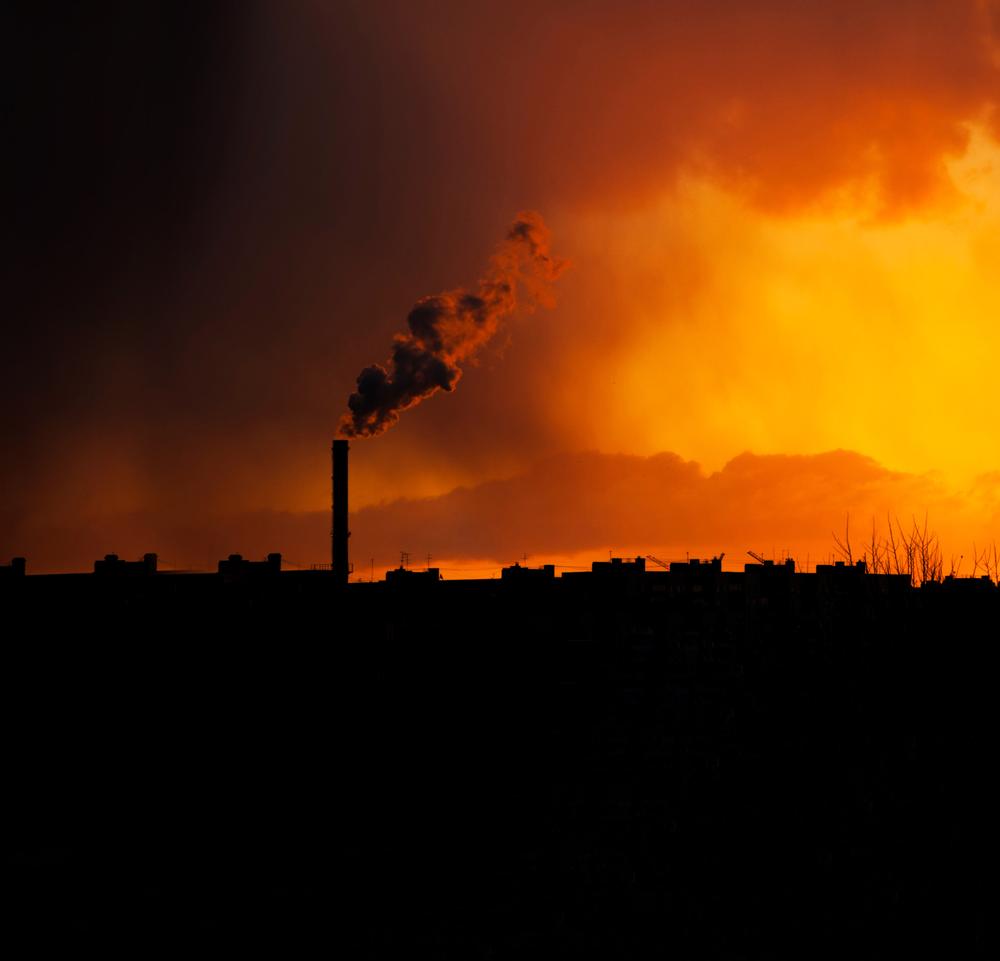
Energy production has a big carbon footprint and the more visitor attractions can do to reduce energy coming from fossil fuels, the better. Switch to a green energy supplier, or, even better, invest in on site solar, biomass, geothermal or wind generated power. All heating at Pensthorpe Natural Park is from a ground source heat pump from their lake. The Living Rainforest switched to solar panel and biomass heating in 2006, which has halved fossil fuel usage and energy bills and resulted in a saving of 220 tonnes of carbon each year.
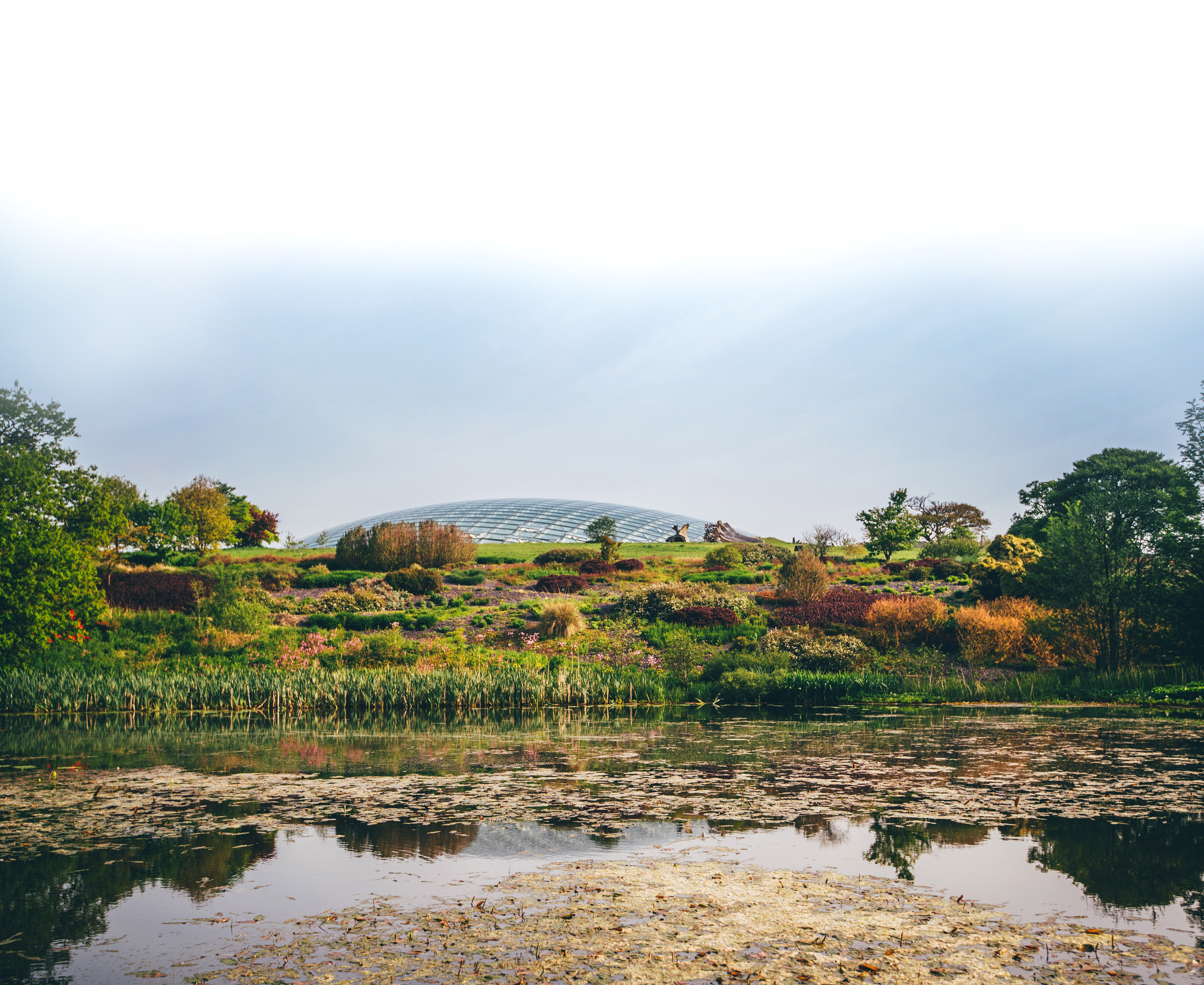
Water is another important area to consider. The installation of low flush or dual flush toilets and waterless urinals, cuts down on water usage considerably. If space allows, wetland treatment systems reduce pressure and usage from the water industry and increases on site natural environments, which increases biodiversity and mops up carbon. The National Botanic Garden of Wales also uses wetland treatment systems to water their plants.
Once you have made the changes, encourage your staff to do them at home and, most importantly, tell your visitors about these changes to inspire them.
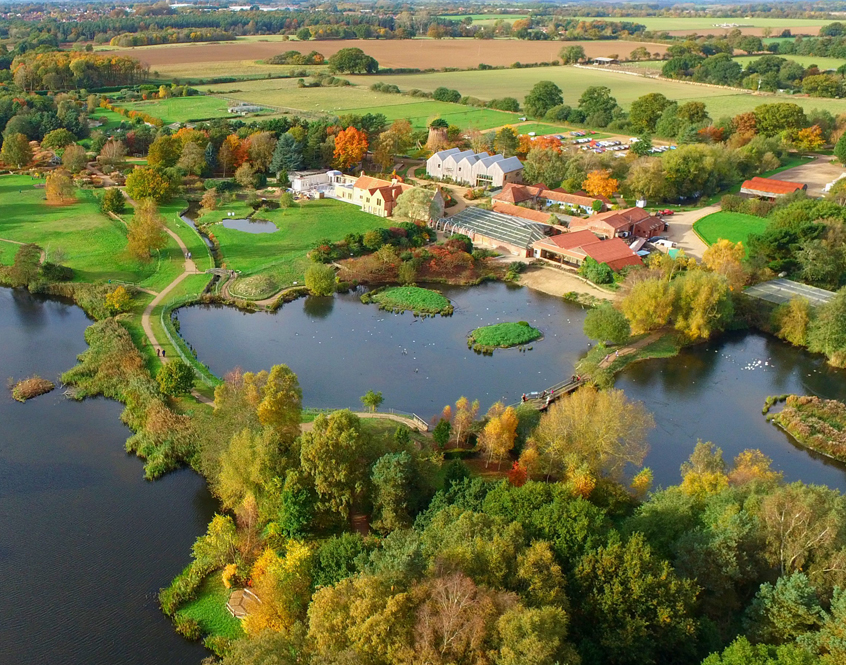
A number of attractions are working to reduce their carbon footprint