bbspa_Group
 bbspa_Group
 bbspa_Group
 
EMPLOYERS: POST A JOB
Free ezines & magazines
News Video Training Products Magazines Spa Business spa-kit Handbook What's on Advertise Subscribe
Catalogue gallery
More catalogues
Diary dates
Powered by leisurediary.com
09-11 Jun 2026
Savutuvan Apaja, Haapaniemi, Finland
09-12 Jun 2026
Hotel Cascais Miragem Health & Spa, Portugal
21-23 Jun 2026
Midlands (Venue TBA), Liphook, United Kingdom
22-22 Jun 2026
Worldwide,
03-05 Jul 2026
Copenhagen, Copenhagen, Denmark
19-21 Jul 2026
The Global Ambassador , Phoenix, United States
22-25 Jul 2026
The Global Ambassador , Phoenix, United States
23-26 Aug 2026
The Riviera Maya Edition Kanai, Playa del Carmen, Mexico
Sport England denies UK Parliament’s accusation that it has lost track of £1.05bn in grant funding
By Frances Marcellin 10 Jan 2023
UK Parliament's Public Accounts Committee (PAC) has accused Sport England of not tracking grant funding Credit: Sport England
UK Parliament's Public Accounts Committee (PAC) has accused Sport England of not knowing where £1.05bn in grants have been spent since 2016
It says out of £1.5bn in grant funding it has only accounted for £450m
PAC also says DCMS and Sport England failed to deliver on pledge, as part of £8.8bn 2012 Olympic Games programme, to increase number of active adults
Sport England spoke to HCM and has refuted the claims
A report issued by the UK Parliament’s Public Accounts Committee (PAC) has accused Sport England of losing track of how £1.05bn in grants have been spent since 2016 and only accounting for £450m.

It claims Sport England distributed £1.5bn in grants in the five years starting 2016-17, “but only knows which local authorities this funding went to for £450m of this spending”.

“It does not know where in the country the remaining two-thirds of grants awarded were spent, as it does not track the distribution of grants issued to national organisations,” reads the report. “Sport England, therefore, cannot fully assess whether it has met its objective to target spending at less active groups, including lower socioeconomic groups.

“It is unacceptable that Sport England does not know where in the country its grants are spent or whether these are genuinely helping those most in need,” said the report.

The PAC report also stated that the DCMS (Department for Digital, Culture, Media and Sport) failed to deliver on its pledge to increase the number of active adults across the UK and boost grassroots sports and physical activity participation as part of the £8.8bn London 2012 Olympic and Paralympic Games programme.

The PAC has claimed that the proportion of adults participating in sport at least once a week declined in the first three years after the Games. It explains that the DCMS has “made little progress in tackling inequalities and the barriers to participation” and that the “percentage of active adults increased by only 1.2 percentage points from 2016 to 2019” with almost two in five adults in England not meeting the Chief Medical Officer’s guidelines for recommended activity of 150 minutes of moderate intensity exercise per week.

Initiatives, such as Sport England’s £135m ‘People Places Play’ scheme, were introduced to encourage people to take up Olympic and Paralympic sports. But the report says Sport England acknowledges it “relied too heavily on a national event to deliver increased participation”.

Sport England, responding to HCM’s request for comment, has refuted the claims, stating that many of the issues and recommendations raised by the PAC report were debated within the hearing. It shared several challenges to the PAC’s views and stated that it is “inaccurate for the committee to suggest we do not know where our investment goes”, confirming that every pound is accounted for in terms of what organisation receives it and how it is spent.

“Activity levels were at record highs across England before the pandemic,” said a Sports England spokesperson. “Our annual Active Lives data recently confirmed that despite the huge disruption of the past two years, participation in sport and activity continues to recover, with children’s activity already back to pre-pandemic levels.

“Sport England invests public money responsibly and transparently, recording and publishing data on all grant recipients – including location data right down to postcode level. This is all clearly available online, with information on where every pound we spend goes.

“Supporting people to be active throughout their lives is essential, and our strategy Uniting the Movement is dedicated to investing effectively in partnerships and programmes to reduce inactivity and tackle stubborn inequalities. We welcome the committee’s interest in this vital issue and will consider its recommendations and respond in due course.”

While the Games delivered £14.2bn in economic value by 2014, Sport England confirmed that it stopped tracking the long-term participation legacy of the Games altogether in 2015 when a new strategy to build grassroots sport and activity was introduced. This saw 12 community pilots with local partners tackle inactivity, yet the PAC says the outcome did not impact national numbers.

“The Department’s approach to working in partnership with other organisations to encourage people to take part in sport and physical activity is not yet effective,” read the report. While Sport England drove a six-fold increase in the number of organisations it awarded grant funding to in 2020-21, when compared to 2019-20, it “could not explain how increasing its network of grant recipients would deliver increased activity levels”.

The committee has recommended that the DCMS and Sport England need to set out what they will do differently to improve adult participation in physical activity.

Yet, when speaking to HCM, Sport England has argued that participation increased by 1.5 per cent (or 1.9m people) from 2005 to 2016, and that the number of active people increased by 1.1m between 2015 and 2019, against a target of 500,000, which makes a “record high” of 28.6m taking part in at least 150 minutes of moderate intensity physical activity a week – over six in ten adults.

While activity levels among the over 75s and disabled people rose before the pandemic, the report noted COVID had exacerbated inequalities in activity for lower socio-economic groups, disabled people, Black and Asian people and women. The PAC has invited Sport England to confirm how it intends to overcome barriers for the least active groups.

Another criticism, which is particularly relevant in light of the current energy bills crisis, said that the DCMS did not know if “leisure facilities are financially sustainable or are delivering the sports facilities that communities need”.

“The energy bill for the leisure sector is expected to rise from £500m in 2019 to £1-1.2bn for 2022,” it stated. “Some 70 per cent of councils are considering scaling back their leisure services in response to these financial pressures. Sport England recognises the fragile financial position of some leisure providers, but lacks understanding of the support the sector may need.”

The leisure sector is currently renewing lobbying efforts for energy subsidies following the outcome of the Energy Bill Relief Scheme review which has failed to offer facilities any additional support.

As reported by non-profit UK Active, 74 per cent of council areas are classified as ‘unsecure’, meaning there's risk of significant closures or reduced services at leisure centres before 31 March 2023. On top of the challenges that the pandemic threw up, the threatened closures further compound the problem of increasing physical activity engagement among adults on a national level.

In response to the PAC report, Huw Edwards, CEO of UK Active said: “I believe there is a collective ambition across the government, its agencies and the sport and physical activity sector, to drive activity levels in the UK, for the benefit of our nation’s wellbeing, economy and the NHS. However, the focus must shift from major sports events and a false promise of population changes in activity deriving from them, to more credible and targeted strategies that support the drivers of physical activity in the UK: walking, fitness, swimming, running and cycling.

“We need to see a new, comprehensive plan from the government that fully leverages physical activity for the national good, beginning by supporting our sector with regulatory and tax reform to grow their impact, alongside incentivisation for the public.”

“UK Active has a clear strategy to see more than five million new members join our nation’s gyms, pools and leisure facilities by 2030. We have a strong partnership with Sport England that is helping to evolve the offers and services our members provide and ensure they're inclusive for all communities.

“With the right leadership and financial investment from the government, we can both stimulate sector growth and galvanise demand for these services in order to reduce our nation’s health inequalities.”

The PCA has given the government up to two months to file an official response.


News
1 to 12 of 9470 news stories
10 Jun 2026
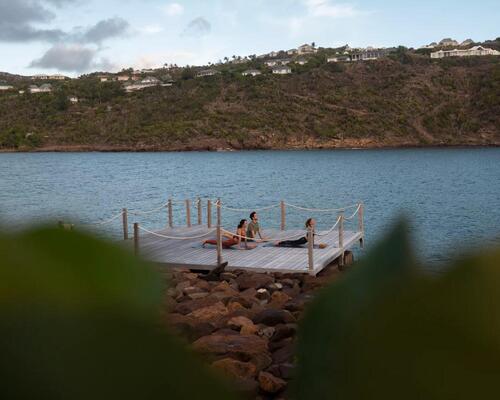
Rosewood Le Guanahani St Barth, on the northeast coast of Saint Barthélemy in the French West Indies, is offering a programme of ocean-inspired yoga classes between 8-14 June to celebrate Global Wellness Day (GWD). GWD ... More
09 Jun 2026
The Ritz-Carlton, Langkawi, in Malaysia, has revealed a schedule for Global Wellness Day (GWD) that includes guided rainforest walks, mindful movement and guided coastal meditation experiences. Founded in 2012 by Belgin Aksoy in Turkey, GWD ... More
05 Jun 2026
Mexican operator, Solmar Hotels and Resorts, is hosting a series of events in celebration of Global Wellness Day, including a Temazcal ceremony at its Playa Grande Resort and Spa in Los Cabos. The not-for-profit movement, ... More
12 Jun 2026
Global Wellness Day (GWD) will mark its 15th anniversary on Saturday 13 June 2026, with the theme: #JoyMagenta – a celebration of the healing qualities of simple gestures and activities that spark joy. Founded in ... More
03 Jun 2026
Four Seasons Resort The Nam Hai in Hoi An, Vietnam, has put together a Global Wellness Day (GWD) agenda with activations rooted in nature and shaped by four pillars of Joy – in alignment with ... More
01 Jun 2026
Rainer Maelzer, an experiential entertainment innovator, has been appointed chief entertainment officer by Therme Group.  With decades of experience in immersive water-based attractions, Maelzer will lead the development and global delivery of the company’s recreational ... More
03 Jun 2026
Lithuanian care operator Addere Care has launched a “wellness care hospital” in Vilnius. It's the company’s second Lithuanian site, following a hospital in Trakai, but the first to offer professional medical care in a spa ... More
28 May 2026
Auko, an all-inclusive development, is opening in Phong Nha in Vietnam in Q3 2026, with a series of 30 tented eco-lodges and wellness hospitality operations by Lumina Wellbeing. Van Phu Real Estate Development JSC owns ... More
05 Jun 2026
A recent survey by the UK Spa Association (UKSA) into the industry’s approach to cancer care has revealed that almost half of participating respondents (46 per cent) are unaware that cancer is a disability and ... More
26 May 2026
Wellness and hospitality thought leaders gathered recently for a workshop at Yasuragi, the Japanese spa and conference hotel near Stockholm. The purpose was to shape the FIBO Longevity and Hospitality Summit, which will happen in ... More
27 May 2026
LVMH-owned beauty house Guerlain will launch up to five spas with partners a year as part of its plan to expand globally, according to the brand’s international spa and wellness director, Diane Davody. In an ... More
27 May 2026
A new global study by Kevin Kelly and Peter Yesawich, called WELLSurvey 2.0, has revealed more than half of consumers in the UK, US and Germany would not choose numerous high-profile wellness resort brands  for ... More
     
International SPA Association - iSPA
Spa Life International
Company Profile
Gharieni Group
For 35 years, the Gharieni Group has redefined wellness, spa and medical equipment, setting global [more]
 
MORE PROFILES
Featured Supplier
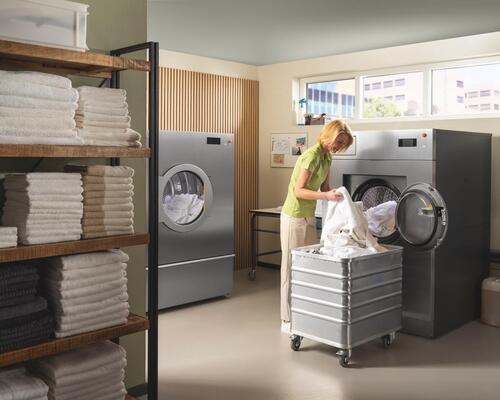
Why future-ready in-house laundry is the new luxury spa essential
In today’s premium spa environment, every detail shapes the guest experience – right down to the softness of towels and the freshness of linens. ... more
Templespa Ltd
Product news
Rebalance Tech ramps up Impulse rollout
Voya launches Resurge Hair and Scalp Elixir and spa treatments
Nilo Spa Design introduces Marea dry flotation bed
Esse Skincare upgrades Probiotic Serum with fourth live probiotic species
Sweet Bee Organics enters spa market at The Ned London with magnesium-infused treatment
Templespa releases brightening Glass Act eye serum
Directory

 
JOBS
NEWS
VIDEO
TRAINING
PRODUCTS
MAGAZINE
 
SPA BUSINESS
SPA-KIT.NET
SPA BUSINESS HANDBOOK
SUBSCRIBE
ADVERTISE
FREE DIGITAL SUBSCRIPTIONS
CONTACT US

Leisure Media
Tel: +44 (0)1462 431385

©Cybertrek 2026


 bbspa_Group
 bbspa_Group
 bbspa_Group
 bbspa_Group
News   Products   Magazine
NEWS
Sport England denies UK Parliament’s accusation that it has lost track of £1.05bn in grant funding
POSTED 10 Jan 2023 . BY Frances Marcellin
UK Parliament's Public Accounts Committee (PAC) has accused Sport England of not tracking grant funding Credit: Sport England
UK Parliament's Public Accounts Committee (PAC) has accused Sport England of not knowing where £1.05bn in grants have been spent since 2016
It says out of £1.5bn in grant funding it has only accounted for £450m
PAC also says DCMS and Sport England failed to deliver on pledge, as part of £8.8bn 2012 Olympic Games programme, to increase number of active adults
Sport England spoke to HCM and has refuted the claims
A report issued by the UK Parliament’s Public Accounts Committee (PAC) has accused Sport England of losing track of how £1.05bn in grants have been spent since 2016 and only accounting for £450m.

It claims Sport England distributed £1.5bn in grants in the five years starting 2016-17, “but only knows which local authorities this funding went to for £450m of this spending”.

“It does not know where in the country the remaining two-thirds of grants awarded were spent, as it does not track the distribution of grants issued to national organisations,” reads the report. “Sport England, therefore, cannot fully assess whether it has met its objective to target spending at less active groups, including lower socioeconomic groups.

“It is unacceptable that Sport England does not know where in the country its grants are spent or whether these are genuinely helping those most in need,” said the report.

The PAC report also stated that the DCMS (Department for Digital, Culture, Media and Sport) failed to deliver on its pledge to increase the number of active adults across the UK and boost grassroots sports and physical activity participation as part of the £8.8bn London 2012 Olympic and Paralympic Games programme.

The PAC has claimed that the proportion of adults participating in sport at least once a week declined in the first three years after the Games. It explains that the DCMS has “made little progress in tackling inequalities and the barriers to participation” and that the “percentage of active adults increased by only 1.2 percentage points from 2016 to 2019” with almost two in five adults in England not meeting the Chief Medical Officer’s guidelines for recommended activity of 150 minutes of moderate intensity exercise per week.

Initiatives, such as Sport England’s £135m ‘People Places Play’ scheme, were introduced to encourage people to take up Olympic and Paralympic sports. But the report says Sport England acknowledges it “relied too heavily on a national event to deliver increased participation”.

Sport England, responding to HCM’s request for comment, has refuted the claims, stating that many of the issues and recommendations raised by the PAC report were debated within the hearing. It shared several challenges to the PAC’s views and stated that it is “inaccurate for the committee to suggest we do not know where our investment goes”, confirming that every pound is accounted for in terms of what organisation receives it and how it is spent.

“Activity levels were at record highs across England before the pandemic,” said a Sports England spokesperson. “Our annual Active Lives data recently confirmed that despite the huge disruption of the past two years, participation in sport and activity continues to recover, with children’s activity already back to pre-pandemic levels.

“Sport England invests public money responsibly and transparently, recording and publishing data on all grant recipients – including location data right down to postcode level. This is all clearly available online, with information on where every pound we spend goes.

“Supporting people to be active throughout their lives is essential, and our strategy Uniting the Movement is dedicated to investing effectively in partnerships and programmes to reduce inactivity and tackle stubborn inequalities. We welcome the committee’s interest in this vital issue and will consider its recommendations and respond in due course.”

While the Games delivered £14.2bn in economic value by 2014, Sport England confirmed that it stopped tracking the long-term participation legacy of the Games altogether in 2015 when a new strategy to build grassroots sport and activity was introduced. This saw 12 community pilots with local partners tackle inactivity, yet the PAC says the outcome did not impact national numbers.

“The Department’s approach to working in partnership with other organisations to encourage people to take part in sport and physical activity is not yet effective,” read the report. While Sport England drove a six-fold increase in the number of organisations it awarded grant funding to in 2020-21, when compared to 2019-20, it “could not explain how increasing its network of grant recipients would deliver increased activity levels”.

The committee has recommended that the DCMS and Sport England need to set out what they will do differently to improve adult participation in physical activity.

Yet, when speaking to HCM, Sport England has argued that participation increased by 1.5 per cent (or 1.9m people) from 2005 to 2016, and that the number of active people increased by 1.1m between 2015 and 2019, against a target of 500,000, which makes a “record high” of 28.6m taking part in at least 150 minutes of moderate intensity physical activity a week – over six in ten adults.

While activity levels among the over 75s and disabled people rose before the pandemic, the report noted COVID had exacerbated inequalities in activity for lower socio-economic groups, disabled people, Black and Asian people and women. The PAC has invited Sport England to confirm how it intends to overcome barriers for the least active groups.

Another criticism, which is particularly relevant in light of the current energy bills crisis, said that the DCMS did not know if “leisure facilities are financially sustainable or are delivering the sports facilities that communities need”.

“The energy bill for the leisure sector is expected to rise from £500m in 2019 to £1-1.2bn for 2022,” it stated. “Some 70 per cent of councils are considering scaling back their leisure services in response to these financial pressures. Sport England recognises the fragile financial position of some leisure providers, but lacks understanding of the support the sector may need.”

The leisure sector is currently renewing lobbying efforts for energy subsidies following the outcome of the Energy Bill Relief Scheme review which has failed to offer facilities any additional support.

As reported by non-profit UK Active, 74 per cent of council areas are classified as ‘unsecure’, meaning there's risk of significant closures or reduced services at leisure centres before 31 March 2023. On top of the challenges that the pandemic threw up, the threatened closures further compound the problem of increasing physical activity engagement among adults on a national level.

In response to the PAC report, Huw Edwards, CEO of UK Active said: “I believe there is a collective ambition across the government, its agencies and the sport and physical activity sector, to drive activity levels in the UK, for the benefit of our nation’s wellbeing, economy and the NHS. However, the focus must shift from major sports events and a false promise of population changes in activity deriving from them, to more credible and targeted strategies that support the drivers of physical activity in the UK: walking, fitness, swimming, running and cycling.

“We need to see a new, comprehensive plan from the government that fully leverages physical activity for the national good, beginning by supporting our sector with regulatory and tax reform to grow their impact, alongside incentivisation for the public.”

“UK Active has a clear strategy to see more than five million new members join our nation’s gyms, pools and leisure facilities by 2030. We have a strong partnership with Sport England that is helping to evolve the offers and services our members provide and ensure they're inclusive for all communities.

“With the right leadership and financial investment from the government, we can both stimulate sector growth and galvanise demand for these services in order to reduce our nation’s health inequalities.”

The PCA has given the government up to two months to file an official response.

RELATED STORIES
Sport England advocates pivot to wellbeing


Sport England has released the Future of Public Sector Leisure report which looks at how to evolve the sector from a traditional leisure service into one that is more focused on active wellbeing.
Sport England puts £5.25m on the table to tackle inequalities in partnership with UK Active


Sport England and UK Active have signed a five-year partnership agreement which will see the two organisations tackle inequalities within the sport and physical activity sector.
MORE NEWS
Almost half of spa survey respondents are unaware cancer is a disability and not adapting treatments is discrimination
A recent survey by the UK Spa Association (UKSA) into the industry’s approach to cancer care has revealed that almost half of participating respondents (46 per cent) are unaware that cancer is a disability and guests with a cancer diagnosis must be given
Solmar Hotels and Resorts offers Temazcal ceremony for Global Wellness Day
Mexican operator, Solmar Hotels and Resorts, is hosting a series of events in celebration of Global Wellness Day, including a Temazcal ceremony at its Playa Grande Resort and Spa in Los Cabos.
Mandarin Oriental announces standalone Mansions-branded residences for Abu Dhabi
Mandarin Oriental has announced a standalone residence brand, Mansions, which will debut at Emirates Palace, Mandarin Oriental Mansions, Abu Dhabi, in 2029.
Healing sanctuary Tulah Clinical Wellness opens in Kerala
Tulah Clinical Wellness, a holistic wellness destination, has officially opened in the hills of northern Kerala, India.
Four Seasons Resort The Nam Hai creates Global Wellness Day programme rooted in nature
Four Seasons Resort The Nam Hai in Hoi An, Vietnam, has put together a Global Wellness Day (GWD) agenda with activations rooted in nature and shaped by four pillars of Joy – in alignment with the day’s theme #JoyMagenta.
Wellness care hospital opens in Vilnius with innovative spa and hospitality concept
Lithuanian care operator Addere Care has launched a new “wellness care hospital” in Vilnius.
+ More news   
 
COMPANY PROFILES
Wellness & Spa Solutions

Wellness & Spa Solutions, act as a strategic partner for luxury hotels, international resorts, and [more...]
+ More profiles  
DIRECTORY
+ More directory  
DIARY


09-11 Jun 2026

World Sauna Forum 2026

Savutuvan Apaja, Haapaniemi, Finland
09-12 Jun 2026

W3Spa EMEA

Hotel Cascais Miragem Health & Spa, Portugal
+ More diary  


CONTACT US

Leisure Media
Tel: +44 (0)1462 431385

©Cybertrek 2026

ABOUT LEISURE MEDIA
LEISURE MEDIA MAGAZINES
LEISURE MEDIA HANDBOOKS
LEISURE MEDIA WEBSITES
LEISURE MEDIA PRODUCT SEARCH
PRINT SUBSCRIPTIONS
FREE DIGITAL SUBSCRIPTIONS