bbspa_Group
 bbspa_Group
 bbspa_Group
 
EMPLOYERS: POST A JOB
Free ezines & magazines
News Video Training Products Magazines Spa Business spa-kit Handbook What's on Advertise Subscribe
Catalogue gallery
More catalogues
Diary dates
Powered by leisurediary.com
21-23 Jun 2026
Midlands (Venue TBA), Liphook, United Kingdom
22-22 Jun 2026
Worldwide,
26-27 Jun 2026
Tobacco Docks, London, United Kingdom
03-05 Jul 2026
Copenhagen, Copenhagen, Denmark
19-21 Jul 2026
The Global Ambassador , Phoenix, United States
22-25 Jul 2026
The Global Ambassador , Phoenix, United States
23-26 Aug 2026
The Riviera Maya Edition Kanai, Playa del Carmen, Mexico
10-12 Sep 2026
MITEC Kuala Lumpur,Malaysia, Malaysia
Life gets in the way of exercise, women tell Vitality researchers
By Kath Hudson 08 Jan 2025
Vitality calls on the industry to do more to accommodate the needs of women Credit: shutterstock/Oksana Kuzmina
Only 23 per cent of UK women are meeting activity guidelines, says research from Vitality
Barriers include fear of judgement, work and caring responsibilities
Gym-based classes are the second most popular form of exercise
Report says this is not solely the responsibility of women to fix
Insurance company, Vitality, has published a report into the exercise habits of British women, and explores the critical barriers preventing many from meeting physical activity guidelines.

Active Women, Healthy Lives: Understanding Barriers to Women’s Participation in Physical Activity, is based on input from 6,000 women from across the UK, who were questioned by FGS Global in June 2024. Additionally, focus groups were held with physical activity professionals including The Well HQ, Women in Sport, Parkrun, Dame Jessica Ennis-Hill, Gabby Logan, This Woman Runs and England Netball. Twenty six in-depth stakeholder interviews were conducted with academics, politicians, policymakers, athletes and influencers.

The findings suggest there is a long way to go in order to get all women to reach the WHO guidelines of 150 minutes of moderate intensity each week. The report found that only 23 per cent of women engage in 30 minutes of exercise a week, or achieve 7,000 steps a day five or more times a week.

Eighty per cent of women cite time constraints as a barrier to exercise, whereas only 35 per cent of men give this as a reason for not exercising. Furthermore, 36 per cent of women say they feel guilty taking time for themselves. While work, caregiving responsibilities and household chores are seen as non-negotiable, exercise is seen as “a nice to have.”

The three main barriers to participation are a lack of motivation (82 per cent); a lack of enjoyment (65 per cent) and a fear of judgment about either physical ability or body image (62 per cent.)

Although physical activity is as effective as medication in improving mild to moderate depression, 49 per cent of women said their mental health issues negatively impact their activity levels.

The report says the narrative around exercise must change so women understand the important reasons to exercise in terms of looking after their health, but also shift the commonly held perception that exercising is predominantly a weight management tool.

The issues
Participation drops off when hormones kick in as teenagers. One million teenage girls who once considered themselves sporty disengage with physical activity following primary school. Reasons given were feeling judged, lack of confidence, pressures of schoolwork and not feeling safe outside.

Busy working lives are cited as a problem among many young women starting out in their careers.

Seventy four per cent said that motherhood changed their relationship with exercise: 40 per cent said that having a baby stopped them being active, rising to 53 per cent for those with children up to the age of four.

As well as time constraints which come with motherhood, physical changes also pose an issue. For example, 37 per cent of respondents said their pelvic floor health stops them from exercising. Other barriers include fatigue, fear of injury and guilt about time away from their newborn.

When women have been inactive for a long time it is even harder to get back into the habit. While 41 per cent expressed the desire to move more, two-thirds reported that their weight, lack of strength and low fitness levels negatively impacts their ability to exercise.

Favourite exercises
Walking is the most popular form of exercise, with 64 per cent of women saying this is their movement of choice. The report states that while walking has significant health benefits, it is foundational rather than the end goal.

Gym-based classes are the second most popular form of exercise, although much lower, at 27 per cent.

Jogging and running is also popular among younger women, with 20.5 per cent of 20 to 39-year-olds using it as a way of keeping active.

While team sports have great benefits in terms of social skills and confidence – an EY report showed that 94 per cent of C-suite women played sport – only 4 per cent of women play team sports. Stakeholders say this could be due to intimidation, but also because there are not enough team sport options to fit around the busy schedules of women.

The recommendations
Vitality emphasises this is not solely the responsibility of women to fix and worked with The Well HQ and Women in Sport to produce a number of recommendations for employers, government, society as a whole – for example men stepping up with the caregiving and household chores – and also for the fitness industry.

With so many women reporting a fear of judgement as a barrier to exercise, stakeholders suggest the need for more inclusive, women-only spaces, particularly for younger women who are most susceptible to these pressures.

The demand for personalisation was strong: 65 per cent of women said free fitness plans, or personalised workout programmes, would encourage them to exercise more.

Better information is also needed. Many women turn to the overloaded NHS for advice; social media is another source, but is not regulated and often inaccurate, so the most popular source of advice currently is from friends and family. The fitness industry could step into this gap.

Benefits apart from weight management need to be presented – discouraging women from looking at calories burned and instead using other metrics for motivation, such as weights lifted, distance covered, power output or improved sleep and stress resilience.

It’s also important that women are not grouped together as one cohort – the needs of someone exercising again after having a baby are vastly different to an older woman exercising for the first time in a decade. Vitality recommends embedding women-specific training within existing personal training and sports qualifications as a mandatory requirement.

Women then need to be segmented into different groups according to their age and life stage and offered tailored activity options. Health checks should be offered and more inclusive facilities to accommodate their lives and needs was also suggested, for example childcare provision.

Fun and social solutions are needed to change the perception of exercise being unenjoyable. To build the exercise habit, the creation of more snackable workouts is suggested, along with showcasing a greater variety of group sports and activities at times which can fit with the busy schedule of women and creating more opportunities for social activity alongside physical activity.

News
1 to 12 of 9482 news stories
18 Jun 2026
Mass protests have been taking place since Monday 1 June in Albania over the development of a luxury resort by Donald Trump’s daughter Ivanka Trump and her husband Jared Kushner. The country’s capital city, Tirana, ... More
19 Jun 2026
Eighty-four per cent of consumers now say wellness is a top priority in their lives, with this percentage increasing year on year, according to a preview presentation of McKinsey and Company’s Future of Wellness 2026 ... More
19 Jun 2026
The UK spa review and discovery platform for consumers, the Good Spa Guide, has announced it will host the Good Spa Guide Awards 2026 during an event on 16 November at Sopwell House Hotel and ... More
12 Jun 2026
Global luxury hospitality brand, Six Senses, has partnered with longevity healthcare provider, HUM2N, to launch a clinic at Six Senses London, at The Whiteley. This collaboration is significant as it reflects a shift by Six ... More
10 Jun 2026
Premium London health club, KX Chelsea, is gearing up to unveil its most significant redevelopment since its launch in 2002. The club has been reimagined to create an integrated wellness model combining training, recovery and ... More
15 Jun 2026
Barons Eden, the UK parent company that operates luxury destination properties in England, has rebranded to become Hiddenwell. The change to the parent identity was carried out following research conducted to help the business strengthen ... More
09 Jun 2026
Hotel de France, located on the British Isle of Jersey, has created a wellness retreat package that includes a hot yoga session that will take place in Jersey Zoo’s butterfly sanctuary. The all-inclusive two-night Ayush ... More
08 Jun 2026
Longevitix, a clinical platform for preventive and longevity medicine, has launched its AI-powered intelligence system to help physicians deliver continuous, personalised longevity-focused care at scale. Longevitix combines years of scattered patient data into a complete ... More
07 Jun 2026
Luxury wellness resort, The Retreat Costa Rica, has introduced its Vida Mía Longevity Centre at the property’s Vida Mía Healing Centre and Spa.  The longevity centre adds physician-guided programming to the resort, which was founded ... More
08 Jun 2026
Atmantan Wellness Centre, an integrative wellness destination in Mulshi, near Pune in India, is expanding its portfolio by adding a new centre in Hyderabad that will launch between 2028 and 2029. Atmantan is a retreat ... More
11 Jun 2026
As part of its first hotel partnership, Mayrlife – the medical health resort company known for its site in Altaussee, Austria – has launched a day clinic at the Rosewood Vienna. Mayrlife offers holistic health ... More
10 Jun 2026
Rosewood Le Guanahani St Barth, on the northeast coast of Saint Barthélemy in the French West Indies, is offering a programme of ocean-inspired yoga classes between 8-14 June to celebrate Global Wellness Day (GWD). GWD ... More
     
International SPA Association - iSPA
Fenix Group s.r.l.
Company Profile
Life Fitness/Hammer Strength
Life Fitness / Hammer Strength works with some of the world’s most recognised hospitality brands, [more]
 
MORE PROFILES
Featured Supplier
Meet Desert Therapy: Aromatherapy Associates' first new blend in seven years
There is a particular quality of stillness found only in the desert. ... more
Living Earth Crafts
Product news
Pharmos Natur launches Lunar Skin Ritual using products designed to work at night
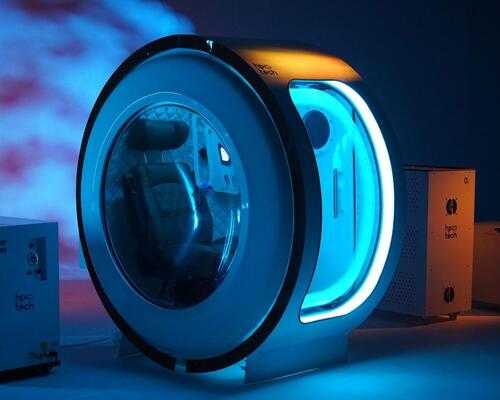
HPO Tech introduces hyperbaric chamber, Oyster
Glow beyond protection: meet Comfort Zone Hydramemory Hybrid Glow SPF 30
Rebalance Tech ramps up Impulse rollout
Manduka debuts premium P/ROX hybrid fitness mat
Voya launches Resurge Hair and Scalp Elixir and spa treatments
Directory

 
JOBS
NEWS
VIDEO
TRAINING
PRODUCTS
MAGAZINE
 
SPA BUSINESS
SPA-KIT.NET
SPA BUSINESS HANDBOOK
SUBSCRIBE
ADVERTISE
FREE DIGITAL SUBSCRIPTIONS
CONTACT US

Leisure Media
Tel: +44 (0)1462 431385

©Cybertrek 2026


 bbspa_Group
 bbspa_Group
 bbspa_Group
 bbspa_Group
News   Products   Magazine
NEWS
Life gets in the way of exercise, women tell Vitality researchers
POSTED 08 Jan 2025 . BY Kath Hudson
Vitality calls on the industry to do more to accommodate the needs of women Credit: shutterstock/Oksana Kuzmina
Only 23 per cent of UK women are meeting activity guidelines, says research from Vitality
Barriers include fear of judgement, work and caring responsibilities
Gym-based classes are the second most popular form of exercise
Report says this is not solely the responsibility of women to fix
Insurance company, Vitality, has published a report into the exercise habits of British women, and explores the critical barriers preventing many from meeting physical activity guidelines.

Active Women, Healthy Lives: Understanding Barriers to Women’s Participation in Physical Activity, is based on input from 6,000 women from across the UK, who were questioned by FGS Global in June 2024. Additionally, focus groups were held with physical activity professionals including The Well HQ, Women in Sport, Parkrun, Dame Jessica Ennis-Hill, Gabby Logan, This Woman Runs and England Netball. Twenty six in-depth stakeholder interviews were conducted with academics, politicians, policymakers, athletes and influencers.

The findings suggest there is a long way to go in order to get all women to reach the WHO guidelines of 150 minutes of moderate intensity each week. The report found that only 23 per cent of women engage in 30 minutes of exercise a week, or achieve 7,000 steps a day five or more times a week.

Eighty per cent of women cite time constraints as a barrier to exercise, whereas only 35 per cent of men give this as a reason for not exercising. Furthermore, 36 per cent of women say they feel guilty taking time for themselves. While work, caregiving responsibilities and household chores are seen as non-negotiable, exercise is seen as “a nice to have.”

The three main barriers to participation are a lack of motivation (82 per cent); a lack of enjoyment (65 per cent) and a fear of judgment about either physical ability or body image (62 per cent.)

Although physical activity is as effective as medication in improving mild to moderate depression, 49 per cent of women said their mental health issues negatively impact their activity levels.

The report says the narrative around exercise must change so women understand the important reasons to exercise in terms of looking after their health, but also shift the commonly held perception that exercising is predominantly a weight management tool.

The issues
Participation drops off when hormones kick in as teenagers. One million teenage girls who once considered themselves sporty disengage with physical activity following primary school. Reasons given were feeling judged, lack of confidence, pressures of schoolwork and not feeling safe outside.

Busy working lives are cited as a problem among many young women starting out in their careers.

Seventy four per cent said that motherhood changed their relationship with exercise: 40 per cent said that having a baby stopped them being active, rising to 53 per cent for those with children up to the age of four.

As well as time constraints which come with motherhood, physical changes also pose an issue. For example, 37 per cent of respondents said their pelvic floor health stops them from exercising. Other barriers include fatigue, fear of injury and guilt about time away from their newborn.

When women have been inactive for a long time it is even harder to get back into the habit. While 41 per cent expressed the desire to move more, two-thirds reported that their weight, lack of strength and low fitness levels negatively impacts their ability to exercise.

Favourite exercises
Walking is the most popular form of exercise, with 64 per cent of women saying this is their movement of choice. The report states that while walking has significant health benefits, it is foundational rather than the end goal.

Gym-based classes are the second most popular form of exercise, although much lower, at 27 per cent.

Jogging and running is also popular among younger women, with 20.5 per cent of 20 to 39-year-olds using it as a way of keeping active.

While team sports have great benefits in terms of social skills and confidence – an EY report showed that 94 per cent of C-suite women played sport – only 4 per cent of women play team sports. Stakeholders say this could be due to intimidation, but also because there are not enough team sport options to fit around the busy schedules of women.

The recommendations
Vitality emphasises this is not solely the responsibility of women to fix and worked with The Well HQ and Women in Sport to produce a number of recommendations for employers, government, society as a whole – for example men stepping up with the caregiving and household chores – and also for the fitness industry.

With so many women reporting a fear of judgement as a barrier to exercise, stakeholders suggest the need for more inclusive, women-only spaces, particularly for younger women who are most susceptible to these pressures.

The demand for personalisation was strong: 65 per cent of women said free fitness plans, or personalised workout programmes, would encourage them to exercise more.

Better information is also needed. Many women turn to the overloaded NHS for advice; social media is another source, but is not regulated and often inaccurate, so the most popular source of advice currently is from friends and family. The fitness industry could step into this gap.

Benefits apart from weight management need to be presented – discouraging women from looking at calories burned and instead using other metrics for motivation, such as weights lifted, distance covered, power output or improved sleep and stress resilience.

It’s also important that women are not grouped together as one cohort – the needs of someone exercising again after having a baby are vastly different to an older woman exercising for the first time in a decade. Vitality recommends embedding women-specific training within existing personal training and sports qualifications as a mandatory requirement.

Women then need to be segmented into different groups according to their age and life stage and offered tailored activity options. Health checks should be offered and more inclusive facilities to accommodate their lives and needs was also suggested, for example childcare provision.

Fun and social solutions are needed to change the perception of exercise being unenjoyable. To build the exercise habit, the creation of more snackable workouts is suggested, along with showcasing a greater variety of group sports and activities at times which can fit with the busy schedule of women and creating more opportunities for social activity alongside physical activity.
RELATED STORIES
The Well HQ partners with The Fitness Group to deliver female-focused training


Female health expert, The Well HQ has teamed up with training provider, The Fitness Group, to launch education courses aimed at upskilling PTs in female health.
FEATURE: Industry insights: The enjoyment gap


Recent research by Nuffield Health and Sport England shows women are less active than men. Kath Hudson looks at some of the work underway to close the enjoyment gap
MORE NEWS
The Good Spa Guide sets up event for modified Good Spa Guide Awards
The UK spa review and discovery platform for consumers, the Good Spa Guide, has announced it will host the Good Spa Guide Awards 2026 during an event on 16 November at Sopwell House Hotel in St Albans, UK.
McKinsey: 84 per cent of consumers say wellness is a top priority
Eighty-four per cent of consumers now say wellness is a top priority in their lives, with this percentage increasing year on year, according to a preview presentation of McKinsey’s Future of Wellness 2026 research report.
Protests continue in Albania against US$1.6 billion luxury resort backed by Jared Kushner and Ivanka Trump
Mass protests have been taking place since Monday 1 June in Albania over the development of a luxury resort by Donald Trump’s daughter Ivanka Trump and her husband Jared Kushner.
Barons Eden rebrands to Hiddenwell ahead of spa hotel portfolio expansion
Barons Eden, the UK parent company that operates luxury destination properties in England, has rebranded to become Hiddenwell.
Belgin Aksoy marks 15 years of Global Wellness Day
Global Wellness Day (GWD) marked its 15th anniversary on Saturday 13 June 2026, with the theme: #JoyMagenta – a celebration of the healing qualities of simple gestures and activities that spark joy.
HUM2N launches longevity clinic at Six Senses London
Global luxury hospitality brand, Six Senses, has partnered with longevity healthcare provider, HUM2N, to launch a clinic at Six Senses London, at The Whiteley.
+ More news   
 
COMPANY PROFILES
Gharieni Group

For 35 years, the Gharieni Group has redefined wellness, spa and medical equipment, setting global [more...]
+ More profiles  
DIRECTORY
+ More directory  
DIARY


21-23 Jun 2026

Spa Life International (UK)

Midlands (Venue TBA), Liphook, United Kingdom
22-22 Jun 2026

World Bathing Day

Worldwide,
+ More diary  


CONTACT US

Leisure Media
Tel: +44 (0)1462 431385

©Cybertrek 2026

ABOUT LEISURE MEDIA
LEISURE MEDIA MAGAZINES
LEISURE MEDIA HANDBOOKS
LEISURE MEDIA WEBSITES
LEISURE MEDIA PRODUCT SEARCH
PRINT SUBSCRIPTIONS
FREE DIGITAL SUBSCRIPTIONS