International SPA Association - iSPA
 
EMPLOYERS: POST A JOB
Free ezines & magazines
News Video Training Products Magazines Spa Business spa-kit Handbook What's on Advertise Subscribe
Catalogue gallery
More catalogues
Diary dates
Powered by leisurediary.com
21-23 Jun 2026
Midlands (Venue TBA), Liphook, United Kingdom
22-22 Jun 2026
Worldwide,
26-27 Jun 2026
Tobacco Docks, London, United Kingdom
03-05 Jul 2026
Copenhagen, Copenhagen, Denmark
19-21 Jul 2026
The Global Ambassador , Phoenix, United States
22-25 Jul 2026
The Global Ambassador , Phoenix, United States
23-26 Aug 2026
The Riviera Maya Edition Kanai, Playa del Carmen, Mexico
10-12 Sep 2026
MITEC Kuala Lumpur,Malaysia, Malaysia
McKinsey Report: demand still outstripping supply in the US$2 trillion global wellness industry
By Helen Andrews 02 Jun 2025
Net purchase intent for in-person boutique fitness and wellness retreats was 30 per cent Credit: Shutterstock/ Fizkes
While Gen Z makes up just more than a third of the adult population in the US (36 per cent), they are the driving force behind more than 41 per cent of annual wellness spend
The authors of the report suggest younger generations are prioritising wellness more because they are self-reporting higher levels of burnout and worse overall health compared to older people
Gen Zers and millennials rank sleep and health as their top two wellness priorities
More than 9,000 consumers in China, Germany, the UK and the US were surveyed
Millennials and Gen Zers are redefining the wellness landscape, according to the recently released McKinsey Future of Wellness 2025 research report.

In the fourth annual edition of this research, the authors found that younger consumers view wellness as a daily, personalised practice – rather than a set of occasional activities or purchases – and that wellness is showing up in new spaces.

The research surveyed more than 9,000 consumers across China, Germany, the UK and the US. They were asked about six dimensions of wellness, including health, sleep, nutrition, fitness, appearance and mindfulness.

Younger generations are increasingly prioritising wellness

The researchers estimate that in the US, wellness represents more than US$500 billion in annual spend, growing at 4-5 per cent each year. Eighty-four per cent of US consumers say wellness is a “top” or “important” priority – compared to 79 per cent in the UK and 94 per cent in China.

While Gen Zers (people born between 1997 and 2012) make up just more than a third of the adult population in the US (36 per cent), they are the driving force behind more than 41 per cent of annual wellness spend.

Consumers who are aged 58 and older – 35 per cent of the population – represent only 28 per cent of wellness spending.

The data suggests nearly 30 per cent of Gen Zers and millennials (born between 1981 and 1996) in the US report prioritising wellness “a lot more” compared to one year ago – in contrast with 23 per cent of older generations. The authors of the report suggest this is due to younger generations self-reporting higher levels of burnout and worse overall health compared to older people. The effect of health-related content on social media is also cited as a reason for younger generations being influenced to make wellness-related purchases.

Gen Zers and millennials rank sleep and health as their top two wellness priorities (but in a different order) and the younger group say “better appearance” is their next concern – compared to millennials who care more about mindfulness.

Despite the wellness sector’s growth in recent years, consumers across all demographics report some of their needs are unmet – including those relating to cognitive health, mindfulness, mental health and longevity. Older consumers are also interested in an expanded definition of wellness and they still represent meaningful opportunities for wellness players, especially in advanced markets with ageing populations.

Eric Falardeau, head of the fitness and health group at McKinsey said: "Consumers remain highly focused on their health and wellness, with 84 per cent ranking it as a top priority.

"That number is high compared with other discretionary categories, which is fuelling a lot of the tailwinds for this broadly-defined sector.

"This ranking has also been increasing over the last five years and that's testament to this macro trend of consumers increasingly spending time and money on taking care of themselves and also due to the definition of this 'taking care' being broader and broader."

Falardeau highlighted heart health and cognitive function as major areas of interest from consumers and said there's still a huge unmet need for wellness services in terms of supply and demand, while the delivery of quality services and the availability of 'proof of efficacy' are both key drivers for consumers when choosing services.

Six wellness subcategories that are due to grow
Trends identified in previous years remain relevant today, according to the report. These include a growing focus on women’s health, health at home and biomonitoring. New pockets of growth include functional nutrition, healthy ageing, appearance and aesthetics, in-person wellness services, weight management and mindfulness.

1. Functional nutrition
Demand for food and beverage products that claim to deliver health benefits is expanding. In the US, UK and Germany, about half of consumers and two-thirds of Gen Z and millennials. The most sought-after benefits from supplements include energy, gut health, immunity, muscle, bone and joint support. Taste and texture are very important and the report’s authors predict the most successful products will be those at the intersection between supplements and food.

2. Beauty
The overlap between beauty and wellness is increasing. For example, a growing number of beauty products feature active ingredients that have health benefits, while more consumers say they're interested in using ingestible beauty supplements that promote wellness (collagen gummies for skin, hair and nails, for example). Spending on cosmetic procedures also grew in the past year – with 46 per cent of US consumers (and 53 per cent of Gen Z consumers) reporting they spend more on cosmetic procedures in 2024 than 2023.

3. Longevity
Demand for longevity-focused products and services continues to grow, with up to 60 per cent of consumers across markets reporting that healthy ageing is a “top” or “very important” priority. Solutions that have emerged include supplements that claim to slow cellular ageing, epigenetic age-testing kits and virtual physical therapy services. Younger consumers are also seeking preventative proactive solutions in this market and are looking for short term benefits as well as longer term ones.

4. In-person experiences and wellness travel
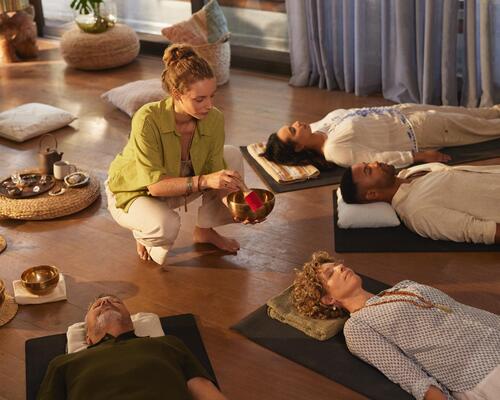
Across all the markets surveyed, the researchers found consumers purchasing more in-person services in 2024 compared to 2023, including boutique fitness, wellness retreats and IV treatments. Net purchase intent for boutique fitness and wellness retreats for these offerings was 30 per cent. Travelling for two hours or more to these experiences was not offputting for 56 per cent of US consumers. Nearly 60 per cent of consumers who travelled for these services said they expected to do the same in 2025. The report authors suggested programming could offer consumers ways to learn skills that they can use beyond their stay (meditation and nutrition plans) as well as “edutainment” – retreats that teach something to participants about their health.

5. Weight management
While exercise remains the most common weight management intervention across markets, nutritionist-led weight management programmes, meal plans and prescription weight loss medications are rising in popularity.

6. Mental health
Young people across markets report having worse mental health than older generations, but the research shows 42 per cent of Gen Z and millennials in the US are actively seeking solutions. Younger consumers are making unexpected purchases and adopting behaviours to help them (buying skincare products, socialising, focusing on sleep hygiene) compared to older generations who tend to tie mental health solutions to explicit treatment such as talk therapy. The authors warn that competition in the mindfulness and mental health space is steep and barriers to entry are low when it comes to digital solutions, such as apps – which makes scale difficult to achieve.

The five wellness consumer segments

The report authors found that consumers fall into five different wellness segments: maximalist optimisers, confident enthusiasts, health traditionals, health strugglers and wellness shirkers.

Maximalist optimisers
Gen Zers and millennials are more likely to be maximalist optimisers. This means they are digitally savvy, experimental when it comes to health and wellness products and they research what works for them. This segment represents 25 per cent of wellness consumers and more than 40 per cent of market spend. This segment is most likely to be influenced by social media, even if they also seek out science-backed medical advice. They are twice as likely as the overall population to use natural and alternative products as well as digital technologies and health-tracking devices. Quality is the main factor for a purchase, over price.

Confident enthusiasts
These consumers prioritise wellness but are more self-assured than maximalist optimisers. They're described in the report as fitness-obsessed, purchasing wellness solutions and sticking to what works for them when they find it. They represent the smallest share of wellness consumers (11 per cent) and 15 per cent of market spend.

The authors suggest companies targeting the above segments should prioritise communicating the science behind their products and services in an accessible way, building a strong presence via video channels, digital customer reviews and social media.

Health traditionalists
These are older consumers who prioritise simplicity and practicality, making up 20 per cent of wellness consumers and 13 per cent of market spend. Less open to experimentation or novel technologies, this group is focused on healthy eating, taking vitamins, supplements and maintaining an exercise plan.

Health strugglers and Wellness shirkers
These groups place a lower priority on health and wellness solutions, making up 24 per cent and 20 per cent of consumers respectively – and 22 per cent and 10 per cent of market spend. Strugglers spend more on wellness than health traditionalists but tend to feel stressed about their health and struggle with motivation. Shirkers are less interested in monitoring their health, buy only the essentials and are very price sensitive.

Resilience
The researchers also asked questions to determine the resilience of the spa and wellness industry. It found that certain segments were more volatile than others when consumers were faced with a hypothetical economic downturn. In this scenario, the top services that consumers said they’d cut from their spending were subscription meal services (52 per cent), period and fertility tracking apps (49 per cent), spa and aesthetic treatments (48 per cent).

The report highlighted that health and wellness players can insulate themselves from an economic downturn through diversified portfolios, incorporating more resilient categories. These areas, where consumers would be less likely to cut spending, include menstrual care products (58 per cent), infant care products (45 per cent), corrective eyewear (45 per cent) contraception products (30 per cent) and supplements (27 per cent).

Access the full report at this link: https://www.mckinsey.com

Eric Falardeau, partner at McKinsey and Company Montreal, led this research and unveiled it during an online discussion hosted by World Wellness Weekend – led by Jean-Guy de Gabriac.

See Eric Falardeau and Dominika Kampa from McKinsey speaking at the HCM Summit 2024 here.



News
1 to 12 of 9482 news stories
18 Jun 2026
Mass protests have been taking place since Monday 1 June in Albania over the development of a luxury resort by Donald Trump’s daughter Ivanka Trump and her husband Jared Kushner. The country’s capital city, Tirana, ... More
19 Jun 2026
Eighty-four per cent of consumers now say wellness is a top priority in their lives, with this percentage increasing year on year, according to a preview presentation of McKinsey and Company’s Future of Wellness 2026 ... More
19 Jun 2026
The UK spa review and discovery platform for consumers, the Good Spa Guide, has announced it will host the Good Spa Guide Awards 2026 during an event on 16 November at Sopwell House Hotel and ... More
12 Jun 2026
Global luxury hospitality brand, Six Senses, has partnered with longevity healthcare provider, HUM2N, to launch a clinic at Six Senses London, at The Whiteley. This collaboration is significant as it reflects a shift by Six ... More
10 Jun 2026
Premium London health club, KX Chelsea, is gearing up to unveil its most significant redevelopment since its launch in 2002. The club has been reimagined to create an integrated wellness model combining training, recovery and ... More
15 Jun 2026
Barons Eden, the UK parent company that operates luxury destination properties in England, has rebranded to become Hiddenwell. The change to the parent identity was carried out following research conducted to help the business strengthen ... More
09 Jun 2026
Hotel de France, located on the British Isle of Jersey, has created a wellness retreat package that includes a hot yoga session that will take place in Jersey Zoo’s butterfly sanctuary. The all-inclusive two-night Ayush ... More
08 Jun 2026
Longevitix, a clinical platform for preventive and longevity medicine, has launched its AI-powered intelligence system to help physicians deliver continuous, personalised longevity-focused care at scale. Longevitix combines years of scattered patient data into a complete ... More
07 Jun 2026
Luxury wellness resort, The Retreat Costa Rica, has introduced its Vida Mía Longevity Centre at the property’s Vida Mía Healing Centre and Spa.  The longevity centre adds physician-guided programming to the resort, which was founded ... More
08 Jun 2026
Atmantan Wellness Centre, an integrative wellness destination in Mulshi, near Pune in India, is expanding its portfolio by adding a new centre in Hyderabad that will launch between 2028 and 2029. Atmantan is a retreat ... More
11 Jun 2026
As part of its first hotel partnership, Mayrlife – the medical health resort company known for its site in Altaussee, Austria – has launched a day clinic at the Rosewood Vienna. Mayrlife offers holistic health ... More
10 Jun 2026
Rosewood Le Guanahani St Barth, on the northeast coast of Saint Barthélemy in the French West Indies, is offering a programme of ocean-inspired yoga classes between 8-14 June to celebrate Global Wellness Day (GWD). GWD ... More
     
International SPA Association - iSPA
Fenix Group s.r.l.
Company Profile
bbspa_Group
The technical advice offered by bbspa is delivered via four specialist departments which offer [more]
 
MORE PROFILES
Featured Supplier
Le Atelier by C.O.D.E. - bespoke means moving beyond the catalogue to delivering contextual design responses
Le Atelier by C.O.D.E. doesn't offer a standard bespoke service, it provides a highly customised approach to designing massage beds and loungers in high-end wellness environments. ... more
Living Earth Crafts
Product news
Pharmos Natur launches Lunar Skin Ritual using products designed to work at night
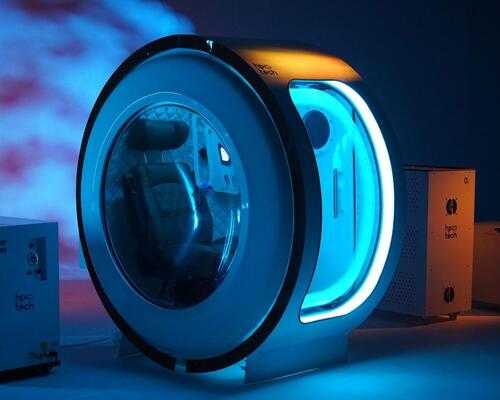
HPO Tech introduces hyperbaric chamber, Oyster
Glow beyond protection: meet Comfort Zone Hydramemory Hybrid Glow SPF 30
Rebalance Tech ramps up Impulse rollout
Manduka debuts premium P/ROX hybrid fitness mat
Voya launches Resurge Hair and Scalp Elixir and spa treatments
Directory

 
JOBS
NEWS
VIDEO
TRAINING
PRODUCTS
MAGAZINE
 
SPA BUSINESS
SPA-KIT.NET
SPA BUSINESS HANDBOOK
SUBSCRIBE
ADVERTISE
FREE DIGITAL SUBSCRIPTIONS
CONTACT US

Leisure Media
Tel: +44 (0)1462 431385

©Cybertrek 2026


International SPA Association - iSPA
News   Products   Magazine
NEWS
McKinsey Report: demand still outstripping supply in the US$2 trillion global wellness industry
POSTED 02 Jun 2025 . BY Helen Andrews
Net purchase intent for in-person boutique fitness and wellness retreats was 30 per cent Credit: Shutterstock/ Fizkes
While Gen Z makes up just more than a third of the adult population in the US (36 per cent), they are the driving force behind more than 41 per cent of annual wellness spend
The authors of the report suggest younger generations are prioritising wellness more because they are self-reporting higher levels of burnout and worse overall health compared to older people
Gen Zers and millennials rank sleep and health as their top two wellness priorities
More than 9,000 consumers in China, Germany, the UK and the US were surveyed
Millennials and Gen Zers are redefining the wellness landscape, according to the recently released McKinsey Future of Wellness 2025 research report.

In the fourth annual edition of this research, the authors found that younger consumers view wellness as a daily, personalised practice – rather than a set of occasional activities or purchases – and that wellness is showing up in new spaces.

The research surveyed more than 9,000 consumers across China, Germany, the UK and the US. They were asked about six dimensions of wellness, including health, sleep, nutrition, fitness, appearance and mindfulness.

Younger generations are increasingly prioritising wellness

The researchers estimate that in the US, wellness represents more than US$500 billion in annual spend, growing at 4-5 per cent each year. Eighty-four per cent of US consumers say wellness is a “top” or “important” priority – compared to 79 per cent in the UK and 94 per cent in China.

While Gen Zers (people born between 1997 and 2012) make up just more than a third of the adult population in the US (36 per cent), they are the driving force behind more than 41 per cent of annual wellness spend.

Consumers who are aged 58 and older – 35 per cent of the population – represent only 28 per cent of wellness spending.

The data suggests nearly 30 per cent of Gen Zers and millennials (born between 1981 and 1996) in the US report prioritising wellness “a lot more” compared to one year ago – in contrast with 23 per cent of older generations. The authors of the report suggest this is due to younger generations self-reporting higher levels of burnout and worse overall health compared to older people. The effect of health-related content on social media is also cited as a reason for younger generations being influenced to make wellness-related purchases.

Gen Zers and millennials rank sleep and health as their top two wellness priorities (but in a different order) and the younger group say “better appearance” is their next concern – compared to millennials who care more about mindfulness.

Despite the wellness sector’s growth in recent years, consumers across all demographics report some of their needs are unmet – including those relating to cognitive health, mindfulness, mental health and longevity. Older consumers are also interested in an expanded definition of wellness and they still represent meaningful opportunities for wellness players, especially in advanced markets with ageing populations.

Eric Falardeau, head of the fitness and health group at McKinsey said: "Consumers remain highly focused on their health and wellness, with 84 per cent ranking it as a top priority.

"That number is high compared with other discretionary categories, which is fuelling a lot of the tailwinds for this broadly-defined sector.

"This ranking has also been increasing over the last five years and that's testament to this macro trend of consumers increasingly spending time and money on taking care of themselves and also due to the definition of this 'taking care' being broader and broader."

Falardeau highlighted heart health and cognitive function as major areas of interest from consumers and said there's still a huge unmet need for wellness services in terms of supply and demand, while the delivery of quality services and the availability of 'proof of efficacy' are both key drivers for consumers when choosing services.

Six wellness subcategories that are due to grow
Trends identified in previous years remain relevant today, according to the report. These include a growing focus on women’s health, health at home and biomonitoring. New pockets of growth include functional nutrition, healthy ageing, appearance and aesthetics, in-person wellness services, weight management and mindfulness.

1. Functional nutrition
Demand for food and beverage products that claim to deliver health benefits is expanding. In the US, UK and Germany, about half of consumers and two-thirds of Gen Z and millennials. The most sought-after benefits from supplements include energy, gut health, immunity, muscle, bone and joint support. Taste and texture are very important and the report’s authors predict the most successful products will be those at the intersection between supplements and food.

2. Beauty
The overlap between beauty and wellness is increasing. For example, a growing number of beauty products feature active ingredients that have health benefits, while more consumers say they're interested in using ingestible beauty supplements that promote wellness (collagen gummies for skin, hair and nails, for example). Spending on cosmetic procedures also grew in the past year – with 46 per cent of US consumers (and 53 per cent of Gen Z consumers) reporting they spend more on cosmetic procedures in 2024 than 2023.

3. Longevity
Demand for longevity-focused products and services continues to grow, with up to 60 per cent of consumers across markets reporting that healthy ageing is a “top” or “very important” priority. Solutions that have emerged include supplements that claim to slow cellular ageing, epigenetic age-testing kits and virtual physical therapy services. Younger consumers are also seeking preventative proactive solutions in this market and are looking for short term benefits as well as longer term ones.

4. In-person experiences and wellness travel
Across all the markets surveyed, the researchers found consumers purchasing more in-person services in 2024 compared to 2023, including boutique fitness, wellness retreats and IV treatments. Net purchase intent for boutique fitness and wellness retreats for these offerings was 30 per cent. Travelling for two hours or more to these experiences was not offputting for 56 per cent of US consumers. Nearly 60 per cent of consumers who travelled for these services said they expected to do the same in 2025. The report authors suggested programming could offer consumers ways to learn skills that they can use beyond their stay (meditation and nutrition plans) as well as “edutainment” – retreats that teach something to participants about their health.

5. Weight management
While exercise remains the most common weight management intervention across markets, nutritionist-led weight management programmes, meal plans and prescription weight loss medications are rising in popularity.

6. Mental health
Young people across markets report having worse mental health than older generations, but the research shows 42 per cent of Gen Z and millennials in the US are actively seeking solutions. Younger consumers are making unexpected purchases and adopting behaviours to help them (buying skincare products, socialising, focusing on sleep hygiene) compared to older generations who tend to tie mental health solutions to explicit treatment such as talk therapy. The authors warn that competition in the mindfulness and mental health space is steep and barriers to entry are low when it comes to digital solutions, such as apps – which makes scale difficult to achieve.

The five wellness consumer segments

The report authors found that consumers fall into five different wellness segments: maximalist optimisers, confident enthusiasts, health traditionals, health strugglers and wellness shirkers.

Maximalist optimisers
Gen Zers and millennials are more likely to be maximalist optimisers. This means they are digitally savvy, experimental when it comes to health and wellness products and they research what works for them. This segment represents 25 per cent of wellness consumers and more than 40 per cent of market spend. This segment is most likely to be influenced by social media, even if they also seek out science-backed medical advice. They are twice as likely as the overall population to use natural and alternative products as well as digital technologies and health-tracking devices. Quality is the main factor for a purchase, over price.

Confident enthusiasts
These consumers prioritise wellness but are more self-assured than maximalist optimisers. They're described in the report as fitness-obsessed, purchasing wellness solutions and sticking to what works for them when they find it. They represent the smallest share of wellness consumers (11 per cent) and 15 per cent of market spend.

The authors suggest companies targeting the above segments should prioritise communicating the science behind their products and services in an accessible way, building a strong presence via video channels, digital customer reviews and social media.

Health traditionalists
These are older consumers who prioritise simplicity and practicality, making up 20 per cent of wellness consumers and 13 per cent of market spend. Less open to experimentation or novel technologies, this group is focused on healthy eating, taking vitamins, supplements and maintaining an exercise plan.

Health strugglers and Wellness shirkers
These groups place a lower priority on health and wellness solutions, making up 24 per cent and 20 per cent of consumers respectively – and 22 per cent and 10 per cent of market spend. Strugglers spend more on wellness than health traditionalists but tend to feel stressed about their health and struggle with motivation. Shirkers are less interested in monitoring their health, buy only the essentials and are very price sensitive.

Resilience
The researchers also asked questions to determine the resilience of the spa and wellness industry. It found that certain segments were more volatile than others when consumers were faced with a hypothetical economic downturn. In this scenario, the top services that consumers said they’d cut from their spending were subscription meal services (52 per cent), period and fertility tracking apps (49 per cent), spa and aesthetic treatments (48 per cent).

The report highlighted that health and wellness players can insulate themselves from an economic downturn through diversified portfolios, incorporating more resilient categories. These areas, where consumers would be less likely to cut spending, include menstrual care products (58 per cent), infant care products (45 per cent), corrective eyewear (45 per cent) contraception products (30 per cent) and supplements (27 per cent).

Access the full report at this link: https://www.mckinsey.com

Eric Falardeau, partner at McKinsey and Company Montreal, led this research and unveiled it during an online discussion hosted by World Wellness Weekend – led by Jean-Guy de Gabriac.

See Eric Falardeau and Dominika Kampa from McKinsey speaking at the HCM Summit 2024 here.

MORE NEWS
The Good Spa Guide sets up event for modified Good Spa Guide Awards
The UK spa review and discovery platform for consumers, the Good Spa Guide, has announced it will host the Good Spa Guide Awards 2026 during an event on 16 November at Sopwell House Hotel in St Albans, UK.
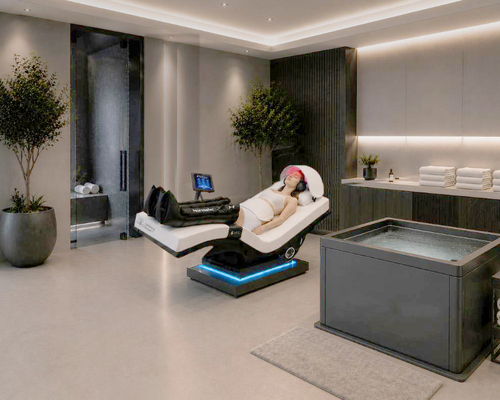
McKinsey: 84 per cent of consumers say wellness is a top priority
Eighty-four per cent of consumers now say wellness is a top priority in their lives, with this percentage increasing year on year, according to a preview presentation of McKinsey’s Future of Wellness 2026 research report.
Protests continue in Albania against US$1.6 billion luxury resort backed by Jared Kushner and Ivanka Trump
Mass protests have been taking place since Monday 1 June in Albania over the development of a luxury resort by Donald Trump’s daughter Ivanka Trump and her husband Jared Kushner.
Barons Eden rebrands to Hiddenwell ahead of spa hotel portfolio expansion
Barons Eden, the UK parent company that operates luxury destination properties in England, has rebranded to become Hiddenwell.
Belgin Aksoy marks 15 years of Global Wellness Day
Global Wellness Day (GWD) marked its 15th anniversary on Saturday 13 June 2026, with the theme: #JoyMagenta – a celebration of the healing qualities of simple gestures and activities that spark joy.
HUM2N launches longevity clinic at Six Senses London
Global luxury hospitality brand, Six Senses, has partnered with longevity healthcare provider, HUM2N, to launch a clinic at Six Senses London, at The Whiteley.
+ More news   
 
COMPANY PROFILES
Unbescheiden GmbH

Unbescheiden GmbH was founded in 1869 in Baden- Baden, Germany [more...]
+ More profiles  
DIRECTORY
+ More directory  
DIARY


21-23 Jun 2026

Spa Life International (UK)

Midlands (Venue TBA), Liphook, United Kingdom
22-22 Jun 2026

World Bathing Day

Worldwide,
+ More diary  


CONTACT US

Leisure Media
Tel: +44 (0)1462 431385

©Cybertrek 2026

ABOUT LEISURE MEDIA
LEISURE MEDIA MAGAZINES
LEISURE MEDIA HANDBOOKS
LEISURE MEDIA WEBSITES
LEISURE MEDIA PRODUCT SEARCH
PRINT SUBSCRIPTIONS
FREE DIGITAL SUBSCRIPTIONS